
-
About Us
Why Choose Us?We specialize in holiday decorations that bring celebrations to life. Our core collection features carefully curated products for major holidays, from the sparkling magic of Christmas and the playful spookiness of Halloween to the cheerful freshness of Easter.
 Coming From China, Marketing To The World.
 -
Products
-
News
 Authentic Reliable Quality Naturally Stands Out
Yangzhou Shuangyang Crafts Co., Ltd. is a professional enterprise specializing in the research and development, production, and overseas export of holiday decoration products. Our company was official...
 English
 русский
 Español
Search
Categories
Product Categories
Recommend
Categories
 Company News
Product Categories
Recommend
-
Company News
-
 Company News
 -
 Company News
Jun 08, 2026 - By admin
What Are the Most Popular Christmas Ornament Shapes? A Complete Visual Guide
Content
- 1 The Classic Bauble Ornament: Why the Round Ball Dominates Every Tree
- 2 Christmas Ornament Shape Names: The Complete Reference List
- 3 Star-Shaped Ornaments: Meaning, Variations, and Styling Tips
- 4 Teardrop and Finial Ornaments: The Elegance of the Elongated Form
- 5 Christmas Tree Shaped Ornaments: A Tree Within a Tree
- 6 Snowflake Ornaments: Nature's Most Complex Christmas Shape
- 7 Bell Ornaments: Sound, Symbol, and Timeless Festive Appeal
- 8 Different Types of Ornaments Beyond Traditional Shapes
- 9 How to Mix Ornament Shapes for a Professional-Looking Tree
- 10 Ornament Shapes by Tree Style: A Quick Reference for Every Aesthetic
- 11 Buying Guide: What to Look for When Choosing Ornament Shapes
- 12 DIY Christmas Ornament Shapes: Make Your Own at Home
- 13 Final Summary: Choosing the Right Christmas Ornament Shapes for Your Tree
The most popular christmas ornament shapes are the round ball (bauble), the star, the teardrop/finial, the Christmas tree, the snowflake, and the bell — with the classic round bauble ornament accounting for over 60% of all ornaments sold globally each year. Whether you are decorating a traditional evergreen, a modern white tree, or a themed holiday display, understanding the full range of shapes available helps you make smarter, more beautiful decorating decisions. This guide covers every major shape, its history, styling tips, and how to mix different types of ornaments for a cohesive, eye-catching tree.
The Classic Bauble Ornament: Why the Round Ball Dominates Every Tree
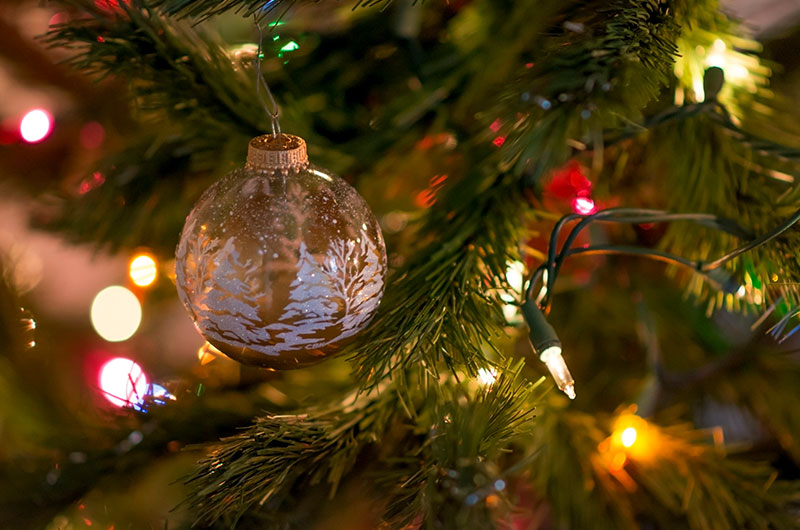
No shape is more synonymous with Christmas than the round bauble ornament. The word "bauble" comes from the Old French word baubel, meaning a child's toy or trinket, and these spherical decorations have been hanging on Christmas trees since the 1840s in Germany, when glassblowers in Lauscha first began producing them commercially. Today, the round ball remains the single most purchased shaped ornament category in the world, with the global Christmas ornament market valued at over $8.5 billion USD as of 2023.
The enduring popularity of the round bauble comes down to simple geometry: a sphere reflects light evenly from all angles, meaning even a single ornament catches and scatters candlelight, LED glow, or natural daylight beautifully. When grouped in clusters of three or five, round baubles create a rhythmic visual pattern that brings harmony to an otherwise chaotic arrangement of branches and tinsel.
Glass Christmas Ornaments Balls: The Premium Standard
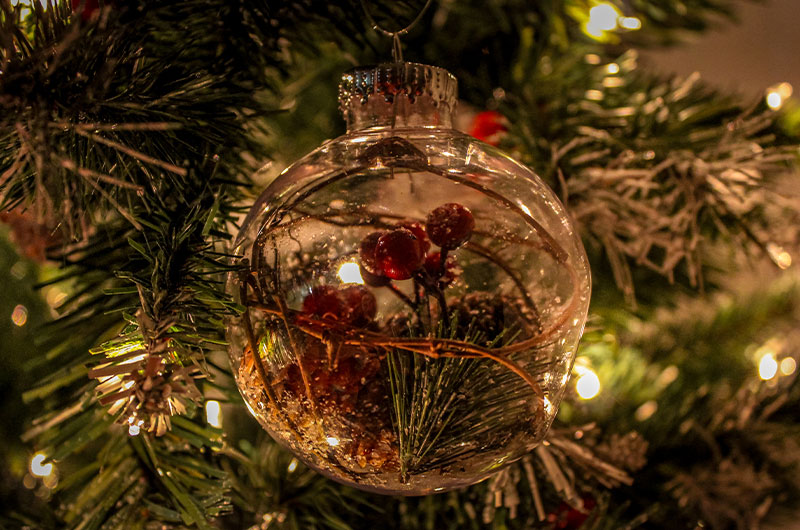
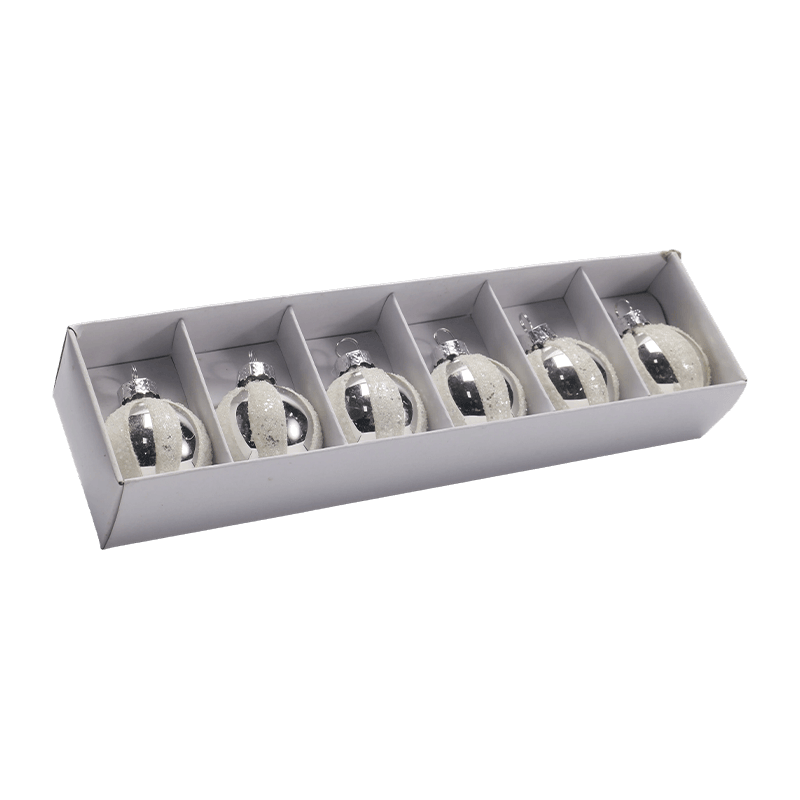
Among bauble types, glass christmas ornaments balls are considered the premium standard. Mouth-blown glass baubles from Poland, Czech Republic, and Germany — particularly from the historic glassblowing towns of Lauscha and Krobielowice — are prized for their paper-thin walls, perfect spherical form, and mirror-like interior silver coating. A single hand-crafted glass bauble from a Polish artisan workshop can sell for $12–$45, while factory-produced plastic versions retail for as little as $0.50 each.
When shopping for glass christmas ornaments balls, look for these quality indicators:
- Wall thickness: Thinner walls (0.5–0.8mm) indicate hand-blown craftsmanship and produce a more brilliant reflective surface
- Cap material: Silver or gold metal caps with a secure wire hanger indicate higher quality than plastic caps
- Interior coating: A pure silver-nitrate interior lining produces the deepest, most mirror-like finish
- Size variety: Quality sets include a range of diameters — typically 40mm, 60mm, 80mm, and 100mm — for visual layering
Felt Ball Ornaments: The Handcrafted Alternative
A rapidly growing alternative to glass, felt ball ornaments have surged in popularity among eco-conscious decorators and Scandinavian-style home aesthetics. Hand-rolled from 100% New Zealand merino wool by artisans in Nepal and India, felt ball ornaments offer a matte, tactile contrast to the shiny glass baubles that dominate most trees. Felt ball ornament exports from Nepal grew by 34% between 2019 and 2023, reflecting strong demand for natural, sustainable holiday décor. Felt balls are also virtually unbreakable — making them ideal for households with young children or pets.
Christmas Ornament Shape Names: The Complete Reference List
Before diving into individual shapes, it helps to have a comprehensive reference for all the major christmas ornament shape names and ornament shapes names you'll encounter when shopping, crafting, or decorating. The table below covers every widely recognized shape category:
| Shape Name | Also Known As | Style Category | Popularity Rank |
|---|---|---|---|
| Round Ball / Bauble | Sphere, Globe | Classic / Universal | #1 |
| Star | Five-Point Star, Starburst | Classic / Religious | #2 |
| Teardrop / Finial | Drop, Pear Shape | Classic / Elegant | #3 |
| Christmas Tree Shape | Tree Silhouette, Mini Tree | Novelty / Whimsical | #4 |
| Snowflake | Ice Crystal, Winter Star | Winter / Nature | #5 |
| Bell | Jingle Bell, Church Bell | Classic / Traditional | #6 |
| Heart | Love Heart, Valentine Heart | Romantic / Sentimental | #7 |
| Candy Cane | Striped Hook, J-Shape | Novelty / Festive | #8 |
| Angel / Figurine | Angel Wing, Cherub | Religious / Traditional | #9 |
| Icicle / Spike | Taper, Spire | Winter / Modern | #10 |
Star-Shaped Ornaments: Meaning, Variations, and Styling Tips
The star is the second most popular of all shapes of ornaments and carries deep symbolic weight across both religious and secular Christmas traditions. The five-pointed star (pentagram) references the Star of Bethlehem that guided the Three Wise Men, while the six-pointed Star of David appears in many European folk-Christmas traditions. In modern décor, star ornaments appear in a stunning variety of interpretations — from flat laser-cut wood stars to three-dimensional faceted glass stars and woven straw Moravian stars.
The Moravian star, originating from Herrnhut, Germany in the early 19th century, features between 18 and 110 pointed cones arranged into a three-dimensional geometric form. It has become one of the most recognizable christmas tree decoration shapes in Central and Northern Europe, and is now widely sold across North America as a statement ornament or tree topper.
How to Style Star Ornaments on a Tree
- Cluster at branch tips: Flat metal or acrylic star ornaments sit beautifully at the very ends of branches, catching ambient light without obscuring other decorations
- Mix sizes: Use 3–4 oversized stars (4–6 inches) interspersed among 8–12 smaller stars (1–2 inches) for visual depth
- Combine with rounds: Stars and round baubles are complementary opposites — angular vs. curved — and create excellent visual contrast when alternated around the tree
- Use as a topper: A single large 3D star at the tree's apex anchors the entire decoration scheme and establishes the primary metallic color tone
Teardrop and Finial Ornaments: The Elegance of the Elongated Form
The teardrop — also called a finial, drop, or pear-shaped shaped ornament — is arguably the most elegant of all ornament shapes names. Its elongated, tapered form hangs with a natural swaying grace that round baubles cannot replicate, and its vertical orientation adds visual height to the lower and middle sections of a tree where horizontal branches can create a heavy, squat appearance.
Finial ornaments take their name from architectural finials — the decorative pointed elements found at the top of spires, gates, and furniture. The longest finial ornaments can reach 8–12 inches in length and are typically placed in the interior of the tree to create dramatic depth. Top-tier department stores like Nordstrom and Neiman Marcus consistently feature finial ornaments in their holiday window displays, cementing the shape's association with high-end, curated holiday aesthetics.
Best Materials for Teardrop Ornaments
- Mouth-blown glass: The traditional choice — produces the most fluid, organic teardrop shape with the deepest reflective surface
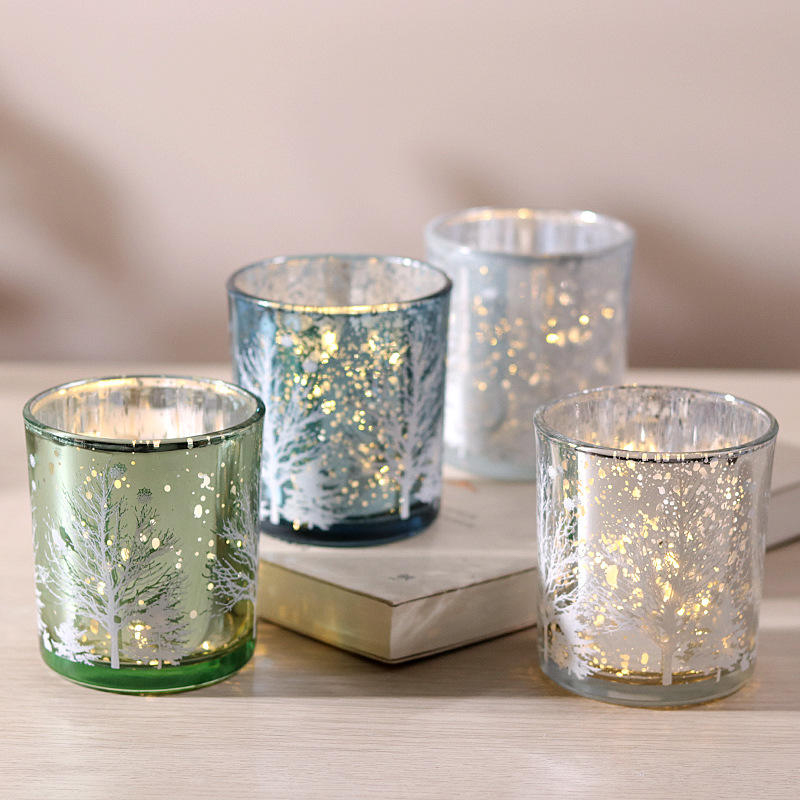
- Mercury glass: A silver-varnished glass technique that creates an antique, aged patina — ideal for vintage or farmhouse Christmas aesthetics
- Glitter-coated plastic: A lightweight, shatterproof option that works well for high-traffic family trees without sacrificing visual glamour
- Crystal acrylic: A modern alternative that achieves near-glass clarity at a fraction of the fragility and cost
Christmas Tree Shaped Ornaments: A Tree Within a Tree
One of the most charming categories of christmas tree decoration shapes is the miniature tree silhouette — an ornament shaped like a Christmas tree itself. Christmas tree shaped ornaments have been a staple of American holiday decorating since the 1950s and have experienced a major design renaissance in the 2010s and 2020s, driven by the rise of artisanal craft markets and personalized gifting culture.
These christmas tree shape ornaments appear in a remarkable variety of materials and styles:
- Flat wooden cutouts: Laser-cut from birch or pine, often personalized with names or dates via engraving — the most popular format for gifting, with Etsy listing over 200,000 individual tree-shaped ornament products in this category
- 3D wire frames: Sculpted from gold or silver wire into a dimensional tree form — minimalist and modern, ideal for contemporary and Scandi-style trees
- Beaded/sequined fabric: A padded, fabric-wrapped tree shape covered in seed beads or sequins — a popular Victorian revival style
- Blown glass: A miniature tree shape formed from hand-blown glass, often with internal color swirls or glitter — a collector's item rather than a mass-market product
- Resin and polymer clay: Handcrafted miniature scenes encased in or sculpted as tree shapes — popular with independent ceramic artists
Styling tip: group three tree-shaped ornaments of descending height together on a single branch section to create a "forest vignette" effect within the larger tree — a popular technique in professional holiday window displays.
Snowflake Ornaments: Nature's Most Complex Christmas Shape
The snowflake is the only major Christmas ornament shape drawn directly from nature, and its inherent six-fold symmetry makes it one of the most visually sophisticated of all different types of ornaments. No two real snowflakes are identical — a fact that artisan ornament makers have embraced, with many producing hand-cut paper, hand-cast resin, and hand-blown glass snowflake ornaments in truly unique, non-repeating designs.
The snowflake ornament works particularly well in non-religious holiday décor schemes, making it a favorite for corporate gifting, hotel lobbies, and public decorating contexts where religious symbolism may be unwelcome. Swarovski's annual crystal snowflake ornament — first introduced in 1991 — has become one of the most collected holiday ornaments in the world, with early editions selling at auction for hundreds of dollars.
Snowflake Ornament Materials and Techniques
- Crystal (Swarovski-style): Faceted crystal components assembled into geometric snowflake forms — maximum light dispersion and rainbow prismatic effects
- Laser-cut acrylic: Precise, intricate patterns achievable at low cost — popular for bulk purchasing and craft projects
- Sterling silver: Cast or stamped metal snowflakes — heirloom-quality and dishwasher-safe, popular as personalized keepsakes
- Hand-cut paper / quilling: The original DIY snowflake — still one of the most popular craft activities for children, with origami-inspired variations gaining traction in adult craft communities
- Tatted lace: A fiber art technique producing intricate thread-lace snowflakes — a traditional Scandinavian and Eastern European craft with a small but devoted global following
Bell Ornaments: Sound, Symbol, and Timeless Festive Appeal
The bell is one of the oldest shapes of ornaments associated with Christmas, pre-dating the modern decorated tree tradition. Church bells have summoned communities to Christmas services for over a millennium, and the jingle bell — immortalized in the 1857 song by James Lord Pierpont — became a defining sound of American Christmas culture in the 19th century.
As an ornament shape, the bell is unique in that it can be both decorative and functional: small brass or silver jingle bell ornaments actually ring when touched, adding an auditory dimension to the visual experience of a decorated tree. Clustered bell ornaments — three to five bells grouped on a single ribbon — are among the most recognizable of all christmas tree decoration shapes and appear across virtually every cultural variation of Christmas decorating, from Scandinavian to Latin American to Southeast Asian traditions.
Bell Ornament Variations to Know
- Jingle bell: Small, spherical metal bell with a loose metal ball inside — produces a tinkling sound when shaken; typically 1–2 inches in diameter
- Church / liberty bell: Larger, historically inspired bell shapes in cast resin, metal, or glass — more decorative than musical
- Sleigh bell cluster: Three or more bells strung together on a velvet ribbon — traditionally hung on door handles but increasingly used as tree ornaments
- Enamel cloisonné bell: A decorative art technique producing richly colored, intricate patterns on a metal bell form — popular in Chinese-American holiday gift markets
Different Types of Ornaments Beyond Traditional Shapes
While the classic shapes — ball, star, teardrop, tree, snowflake, bell — dominate the market by volume, the most memorable and personal Christmas trees often feature different types of ornaments that break from convention. The ornament market has expanded enormously in the past two decades, fueled by personalization technology, independent craft platforms, and the rise of themed tree aesthetics on social media.
Animal and Nature-Inspired Shapes
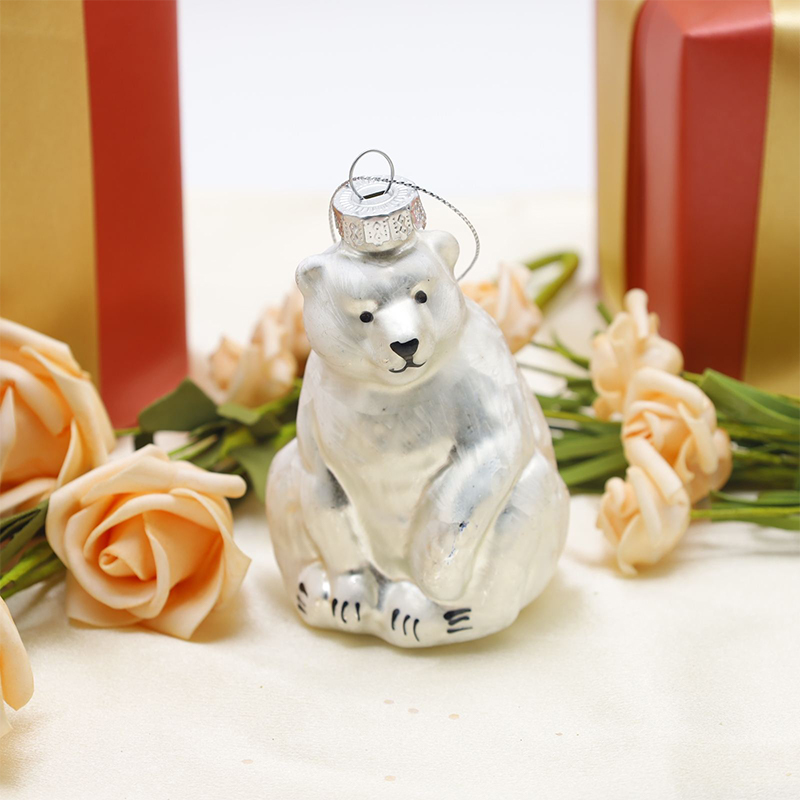
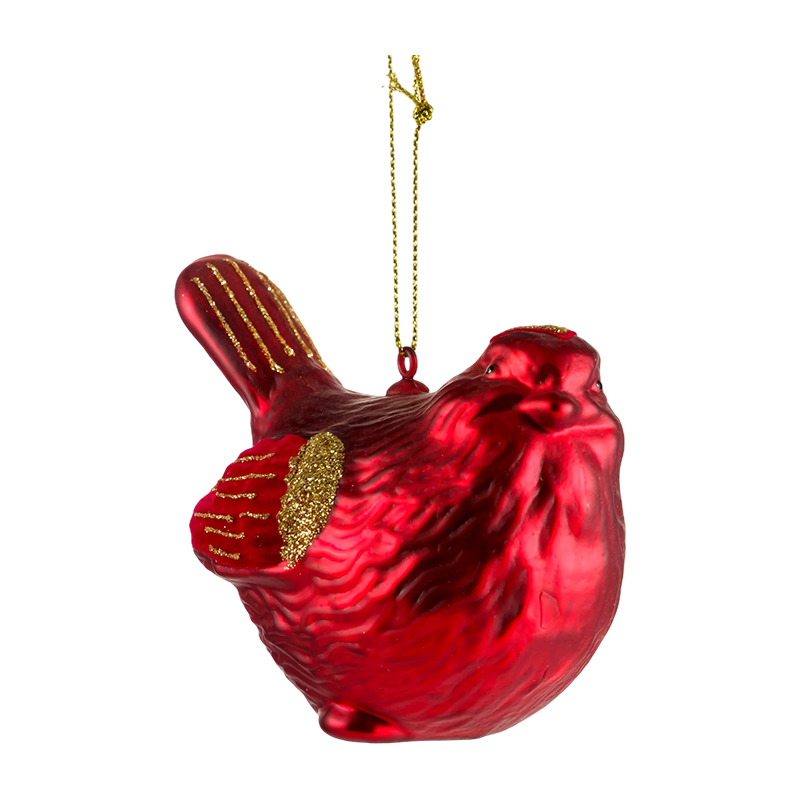
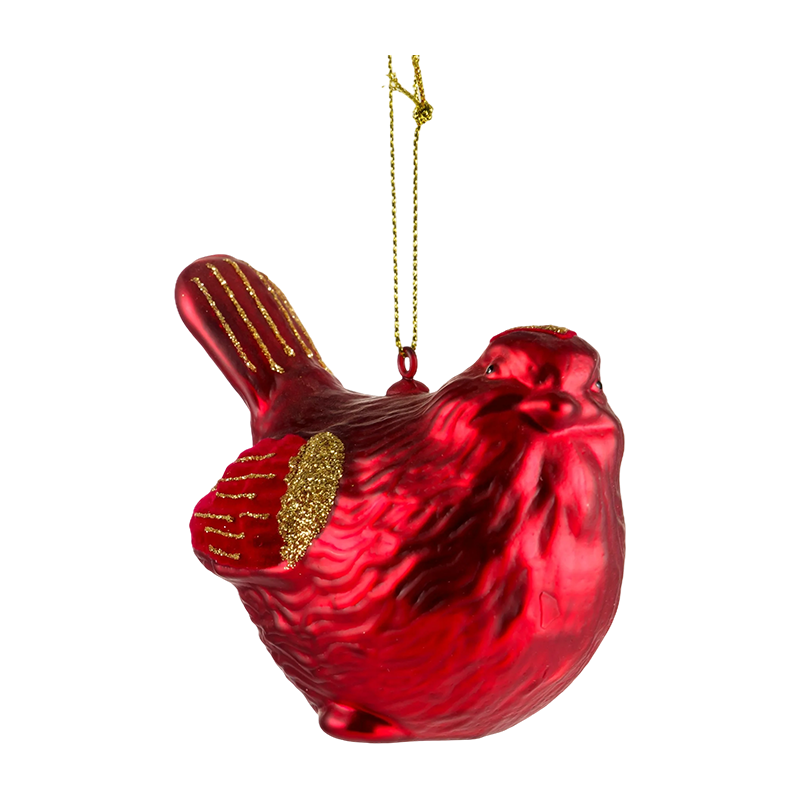
Robins, deer, foxes, owls, bears, and woodland creatures have become among the most popular novelty ornament shapes, particularly in the UK and Northern Europe where woodland aesthetics have dominated Christmas décor trends since approximately 2015. Pinecones, acorns, mushrooms (especially red-and-white Amanita muscaria), and holly sprigs also appear as common nature-inspired christmas tree decoration shapes, bridging the gap between the indoor tree and the natural world outside.
Food and Confectionery Shapes
Gingerbread men, candy canes, cookies, cupcakes, and fruits (particularly the traditional orange and clove pomander ball) are enduringly popular ornament shapes that add warmth and whimsy to family trees. In Scandinavian tradition, straw goats (Julbock), straw stars, and woven wheat ornaments are among the oldest surviving non-round shapes of ornaments in the European Christmas canon, dating back to pre-Christian Nordic winter festivals.
Figural and Character Ornaments
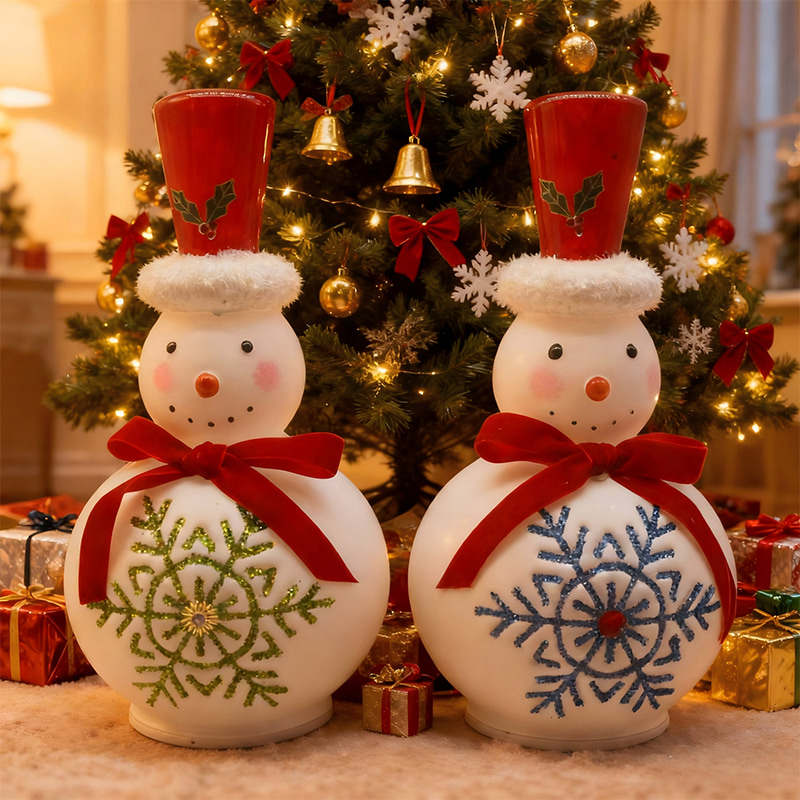
Santa Claus, snowmen, elves, nutcrackers, reindeer, and nativity figures are among the most beloved figural ornament forms. Hallmark's Keepsake Ornament line — launched in 1973 — established the collectible figural ornament as a mainstream category, and today Hallmark sells over 500 new ornament designs per year, with popular character ornaments regularly selling out before December. Licensed character ornaments (Disney, Marvel, Star Wars, Harry Potter) have further expanded the figural category into a multi-hundred-million-dollar niche.
Personalized Photo and Text Ornaments
One of the fastest-growing ornament categories is the personalized round or flat shaped ornament featuring custom photography, names, dates, or messages. Photo ornaments printed on ceramic, aluminum, or acrylic discs have become the most gifted ornament type in the United States, with an estimated 45 million personalized ornaments sold in the US alone in 2022 (Statista, 2023). These ornaments blur the line between decoration and keepsake, which explains their remarkable growth in an era of mass-produced holiday goods.
How to Mix Ornament Shapes for a Professional-Looking Tree
Professional holiday decorators — the stylists behind hotel lobbies, department store windows, and magazine-cover-worthy home trees — follow a consistent set of principles when combining different types of ornaments and shapes of ornaments. These principles can be applied at any budget level to elevate any tree from amateur to polished.
The 60-30-10 Shape Rule
Borrowed from interior design's classic color distribution principle, the 60-30-10 rule applied to ornament shapes works as follows:
- 60% dominant shape — Round baubles in your primary color palette. These create visual unity and fill space efficiently.
- 30% secondary shape — A contrasting form such as teardrops, stars, or snowflakes in a complementary color. These add visual interest without overwhelming the dominant form.
- 10% accent shapes — Statement pieces: figural ornaments, oversized novelty shapes, or highly textured items like felt ball ornaments or beaded forms. These are the "conversation pieces" that give a tree personality.
Depth Placement by Shape
Not all ornament shapes work equally well at every depth on the tree:
- Interior / deep branches: Large round baubles and long finials — their size and reflectivity add perceived depth and glow from within the tree
- Mid-branches: Standard round baubles, teardrops, and figural ornaments — the "living room" of the tree where most eye contact happens
- Branch tips: Stars, snowflakes, small flat shapes, and lightweight wire forms — these sit at the end of branches without weighing them down or obscuring neighboring ornaments
Texture and Finish Variation
Beyond shape, the finish of an ornament is a powerful visual tool. A tree that uses only shiny, reflective ornaments looks flat and commercial; one that mixes matte, glitter, glass, and textured finishes creates genuine visual richness. Professional stylists typically use a ratio of approximately 50% shiny / 30% matte / 20% glitter or textured across their ornament selection. Introducing even a small number of natural-material ornaments — felt ball ornaments, wooden shapes, or dried orange slices — immediately elevates the overall aesthetic by adding organic warmth to the artificial sparkle of glass and plastic.
Ornament Shapes by Tree Style: A Quick Reference for Every Aesthetic
Different tree aesthetics call for different approaches to christmas ornament shape names and combinations. Use the table below to match your preferred tree style to the most appropriate ornament shape selection:
| Tree Style | Primary Shapes | Accent Shapes | Shapes to Avoid |
|---|---|---|---|
| Traditional / Classic | Round baubles, bells, finials | Angels, stars, candy canes | Abstract geometric, ultra-modern shapes |
| Scandinavian / Hygge | Felt balls, straw stars, wooden trees | Snowflakes, hearts, simple baubles | Heavy glitter, overly commercial shapes |
| Modern / Minimalist | Matte baubles, geometric shapes, icicles | Wire stars, acrylic snowflakes | Figural novelty shapes, candy canes |
| Glamour / Hollywood Regency | Glass baubles, crystal snowflakes, finials | Feathered baubles, mercury glass teardrops | Rustic wood, felt, plain plastic |
| Rustic / Farmhouse | Wooden shapes, pinecones, felt animals | Burlap-wrapped balls, star cutouts | Shiny glass baubles, crystal shapes |
| Whimsical / Family | Candy canes, gingerbread men, santa figurals | Character ornaments, tree-shaped ornaments | Fragile glass shapes at child height |
Buying Guide: What to Look for When Choosing Ornament Shapes
With thousands of options across every shaped ornament category, narrowing your choices requires a structured approach. Consider the following criteria before purchasing:
Material and Durability
The material directly determines how long your ornaments will last and how much care they require. Shatterproof plastic and resin ornaments are the most practical choice for households with children under 10 or free-roaming pets — studies suggest that over 30% of glass ornaments purchased for family trees are broken within the first three holiday seasons. For display trees or adult households, glass and crystal are worth the investment for their superior visual qualities.
Size and Tree Proportion
A common decorating mistake is using uniformly sized ornaments on a tree. Professional decorators follow the "largest-to-smallest" gradient rule: place the largest ornaments (80–100mm baubles, 6–8 inch figural pieces) near the bottom of the tree, graduating to medium ornaments in the middle and small ornaments (40–50mm) near the top and branch tips. This rule mimics natural light and density patterns, making the tree appear taller, fuller, and more professionally dressed.
Hanger Quality
The ornament hanger (also called a cap or bail) is the most failure-prone part of any shaped ornament. Cheap plastic caps can yellow and crack; thin wire hangers straighten and release. Look for ornaments with metal cap-and-wire combinations where the wire is looped through a secure metal bail, not simply glued. For glass christmas ornaments balls and other heavy or irreplaceable pieces, use a locking ornament hook (S-hooks with a bent closure) rather than a standard open ornament hook to prevent accidental drops.
Storage Compatibility
Before purchasing unusual or oversized shapes, consider how they will be stored in the off-season. Round baubles store most efficiently — a standard 12" × 12" × 12" ornament storage box holds approximately 32 ornaments in individual compartments. Irregular shapes like Moravian stars, oversized figural ornaments, or clustered bell groupings require custom storage solutions. Invest in acid-free tissue wrap and rigid-wall storage containers for any ornaments with sentimental or monetary value over $20.
DIY Christmas Ornament Shapes: Make Your Own at Home
Some of the most beloved ornaments on any tree are the ones made by hand. DIY ornament crafting has never been more accessible, with templates, tutorials, and materials available for every skill level and budget. Here are the most approachable DIY options for the most popular christmas ornament shape names:
Salt Dough Shapes
Salt dough (2 cups flour, 1 cup salt, 1 cup water) is the classic beginner ornament medium. Roll out the dough and use cookie cutters to create stars, trees, snowflakes, bells, hearts, and gingerbread figures. Once baked and dried at 250°F (120°C) for 2–3 hours, they can be painted with acrylic craft paint and sealed with varnish for multi-year durability. A full set of 20–25 salt dough ornaments costs approximately $3–$5 in materials.
Felt Ball Ornaments (DIY)
Making your own felt ball ornaments requires raw wool roving, dish soap, warm water, and patience. Begin with a small core of tightly wound roving, wet it with soapy water, and roll between your palms with firm, consistent pressure for 5–10 minutes until the fibers felt together into a firm sphere. Each felt ball ornament takes approximately 8–12 minutes to make and costs less than $0.50 in materials when wool roving is purchased in bulk. String finished balls onto heavy cotton thread with a tapestry needle to create garlands, or add individual ornament hangers for single-ball tree ornaments.
Paper Quilling Snowflakes
Paper quilling — rolling and shaping narrow strips of paper into decorative forms — is an accessible craft technique that produces extraordinarily detailed snowflake ornaments. A basic quilling kit ($8–$15) includes a slotted quilling tool, a selection of paper strips in various widths, and a corkboard for shaping. Using free downloadable templates, even beginners can produce professional-quality snowflakes in 45–90 minutes per ornament. Finished quilled snowflakes should be sealed with a spray acrylic varnish to prevent moisture damage.
Final Summary: Choosing the Right Christmas Ornament Shapes for Your Tree
The world of christmas ornament shapes is vast, varied, and endlessly creative — but the fundamentals are straightforward. Start with a foundation of round baubles (60% of your total count), add a secondary shape that contrasts in form (30%), and finish with a small number of statement pieces that reflect your personal style (10%). Choose glass for elegance, plastic for practicality, and natural materials like felt or wood for warmth and sustainability. Match your shape selection to your tree's aesthetic theme, vary sizes from base to apex, and don't underestimate the power of texture and finish variation to elevate even a modest ornament collection.
Whether you are drawn to the timeless sparkle of glass christmas ornaments balls, the handmade charm of felt ball ornaments, the meta-delight of christmas tree shaped ornaments, or the intricate geometry of crystal snowflakes, the right combination of shapes of ornaments turns any tree — artificial or real, large or small — into a genuinely personal expression of holiday joy. Use this guide as your reference every season, and your tree will never look the same way twice.
You may also like…
News
-
Yangzhou Shuangyang Crafts Co., Ltd. is a professional enterprise specializing in the research and d...
READ MORE -
Yangzhou Shuangyang Crafts Co., Ltd. is a professional enterprise specializing in the research and d...
READ MORE -
Yangzhou Shuangyang Crafts Co., Ltd. is a professional enterprise specializing in the research and d...
READ MORE -
Yangzhou Shuangyang Crafts Co., Ltd. is a professional enterprise specializing in the research and d...
READ MORE -
Yangzhou Shuangyang Crafts Co., Ltd. is a professional enterprise specializing in the research and d...
READ MORE -
Yangzhou Shuangyang Crafts Co., Ltd. is a professional enterprise specializing in the research and d...
READ MORE

Copyright © Yangzhou Shuangyang Crafts Co., Ltd. All Rights Reserved.
