
-
About Us
Why Choose Us?We specialize in holiday decorations that bring celebrations to life. Our core collection features carefully curated products for major holidays, from the sparkling magic of Christmas and the playful spookiness of Halloween to the cheerful freshness of Easter.
 Coming From China, Marketing To The World.
 -
Products
-
News
 Authentic Reliable Quality Naturally Stands Out
Yangzhou Shuangyang Crafts Co., Ltd. is a professional enterprise specializing in the research and development, production, and overseas export of holiday decoration products. Our company was official...
 English
 русский
 Español
Search
Categories
Product Categories
Recommend
Categories
 Company News
Product Categories
Recommend
-
Company News
-
 Company News
 -
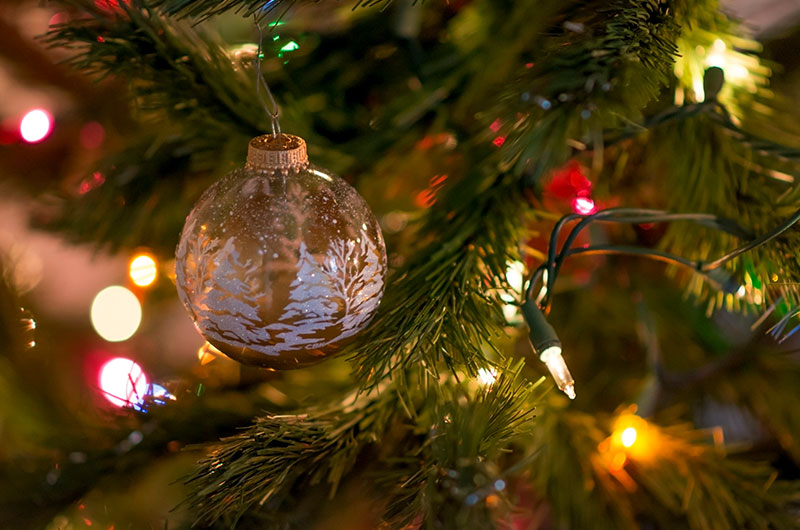 Company News
Feb 09, 2026 - By admin
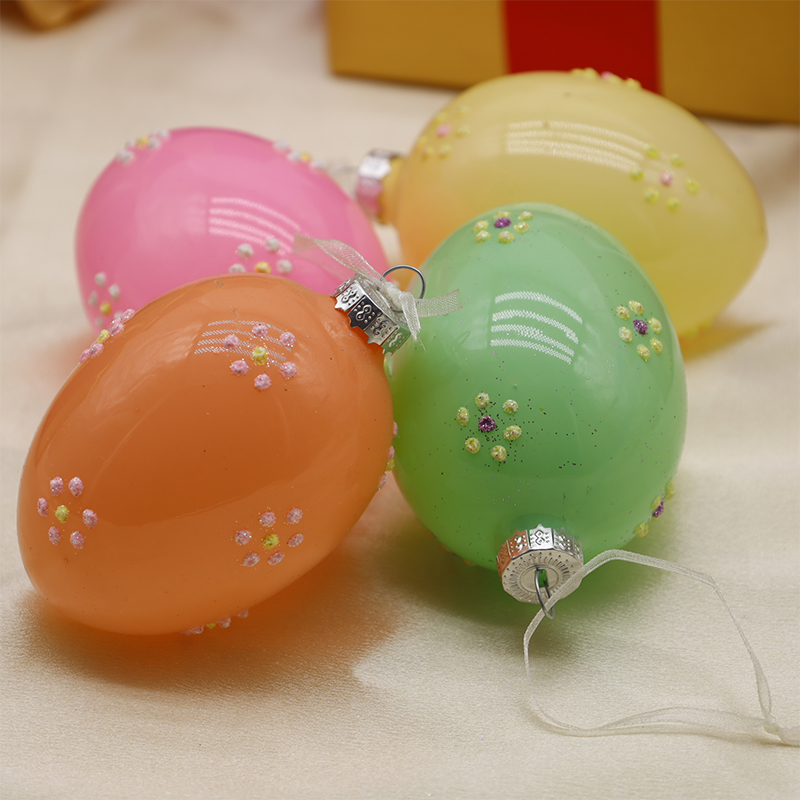
Comparison of Material and Style Technical Parameters
Environmental Stress Parameters
What are the tips for choosing and maintaining a Christmas glass tree
Content
- 1 Masterful Craftsmanship: Core Manufacturing Processes of the Christmas Glass tree
- 2 Diverse Styles: The Role of the Christmas Glass tree in Modern Aesthetics
- 3 Spatial Magic: Arrangement and Matching Art for the Christmas Glass tree
- 4 Buying Guide: How to Select a Perfect Christmas Glass tree
- 5 Eternal Guardianship: Cleaning and Maintenance of the Christmas Glass tree
- 6 FAQ:
Masterful Craftsmanship: Core Manufacturing Processes of the Christmas Glass tree
The creation of a Christmas Glass tree is a high-stakes ballet between extreme thermal energy and delicate human touch. Glass, in its molten state, is a non-crystalline, amorphous solid that behaves as a high-viscosity liquid. To transform this glowing mass into a structured holiday icon, several sophisticated engineering pathways are utilized. The physical transition of glass from a molten state to a rigid ornament requires a precise cooling schedule, known as annealing, to prevent the internal stresses that would otherwise cause a Christmas Glass tree to shatter spontaneously. This process is the foundation of high-quality glass manufacturing, ensuring that every Christmas Glass tree produced can withstand the test of time and environmental changes.
The thermal history of the glass used in a Christmas Glass tree is a critical factor in its final optical clarity. If the raw materials, primarily silica sand, soda ash, and limestone, are not melted at a sufficiently high and stable temperature, the resulting Christmas Glass tree may exhibit seeds, which are tiny air bubbles, or stones, which are unmelted batch particles. High-end manufacturers of the Christmas Glass tree invest heavily in regenerative furnaces and platinum-lined crucibles to eliminate these imperfections, resulting in a product that mimics the purity of natural ice or rare gemstones.
The Artistic Soul of Hand-Blown Glass
Hand-blowing remains the pinnacle of Christmas Glass tree production, favored for its ability to create organic, lightweight, and luminous structures. The process begins at the furnace, where glass is maintained at temperatures exceeding 2100 degrees Fahrenheit. This liquid state allows the artisan to "gather" the glass onto a blowpipe, a long hollow tube that serves as the conduit for the artisan's breath. Every Christmas Glass tree created through this method is essentially a frozen moment of human respiration, shaped by the subtle pressures and movements of the glassblower's hands.
Gathering and Marvering: The artisan gathers a glob of molten glass on the end of a stainless steel blowpipe. This glob is then rolled on a marver—a thick steel or marble table—to cool the exterior skin and establish a centered, symmetrical shape. This step is critical; if the initial gather is off-center, the resulting Christmas Glass tree will have lopsided walls, leading to structural failure during cooling. The marvering process also allows the artisan to introduce "frit" or colored glass chips onto the surface of the Christmas Glass tree, which are then melted back into the main body to create vibrant patterns.
The First Breath: A small puff of air creates a parison, or starter bubble. As the artisan continues to blow, they must rotate the pipe constantly to counteract the force of gravity, which threatens to pull the liquid glass into a distorted puddle. The centrifugal force generated by this rotation helps expand the Christmas Glass tree into its signature conical shape. Skilled blowers can manipulate the air pressure within the Christmas Glass tree to create delicate, thin-walled designs that feel almost weightless in the hand.
The Use of Jacks and Wooden Paddles: To create the tiered, conical shape of a Christmas Glass tree, the artisan uses jacks—large metal tweezers—to constrict the glass at intervals, creating the branches. Wooden paddles, often soaked in water to create a protective steam barrier, are used to flatten the base or refine the taper. The steam barrier prevents the wood from burning and allows the glass to slide smoothly against the tool, ensuring the surface of the Christmas Glass tree remains pristine and free of tool marks.
The Micro-World of Lampworking
While furnace blowing handles large volumes, lampworking allows for the surgical precision found in miniature or highly intricate Christmas Glass tree designs. This technique involves manipulating glass rods under a concentrated flame, often using oxygen-enriched gas to reach the extreme temperatures necessary for borosilicate glass. This method is the primary way the industry produces the highly detailed, multi-branched Christmas Glass tree units that serve as delicate desk ornaments or window displays.
Thermal Gradient Management: In lampworking, a high-intensity torch reaches temperatures of 3000 degrees Fahrenheit. The artist works with pre-formed borosilicate rods. The challenge is the thermal shock zone; the artist must keep the entire Christmas Glass tree warm in a secondary flame or kiln while focusing the intense heat on a specific branch. This prevents the Christmas Glass tree from cracking due to temperature differentials between the worked area and the rest of the piece.
Surface Tension Manipulation: The delicate tips of a Christmas Glass tree are formed by allowing surface tension to bead the glass, then quickly pulling it away to create a needle-like point. This requires a profound understanding of the liquid-to-solid transition point of the specific glass batch being used. By layering these small pulls, the artist can build a Christmas Glass tree that resembles a frosted pine, with thousands of tiny glass needles catching the light.
Symmetry in Pressed Glass and Mold Shaping
For the mass-market democratization of the Christmas Glass tree, industrial pressing provides a level of geometric perfection that the human hand cannot replicate. This process utilizes heavy machinery to press molten glass into steel molds, allowing for the rapid production of complex Christmas Glass tree designs with identical dimensions and faceted surfaces that mimic the look of cut crystal.
Piston and Plunger Dynamics: Molten glass is dropped into a cast-iron or stainless steel mold. A plunger then descends, forcing the glass into every crevice of the mold design. This is how the sharp, diamond-like facets of a crystal Christmas Glass tree are achieved. The speed of the plunger and the temperature of the mold are carefully synchronized; if the mold is too cold, the Christmas Glass tree will develop "chill marks," which appear as ripples on the surface.
Annealing the Molded Form: Because pressed glass is often thicker and more solid than blown glass, it retains heat longer. All pressed Christmas Glass tree units must undergo an annealing oven process, where they are cooled according to a strict mathematical curve over several hours to neutralize internal stress. This is vital for the Christmas Glass tree because thick glass is inherently more susceptible to cracking from internal tension than thin glass.
Advanced Surface Treatment Techniques
The magic of a Christmas Glass tree often happens after it has cooled. These post-production techniques define the final aesthetic value of the piece. Modern surface treatments combine chemical engineering with physics to create effects that were impossible only a few decades ago, transforming a simple glass cone into a high-tech Christmas Glass tree masterpiece.
Chemical Silvering: Contrary to popular belief, modern mercury glass uses no mercury. Instead, a solution of silver nitrate and an ammonia-based reducer is poured into the double-walled cavity of the Christmas Glass tree. A chemical reaction precipitates a thin film of pure metallic silver onto the glass. This interior coating protects the silver from atmospheric sulfur, ensuring the Christmas Glass tree remains bright for years without tarnishing.
Physical Vapor Deposition: For the iridescent or aurora borealis effect, the Christmas Glass tree is placed in a vacuum chamber. Metals like titanium or gold are vaporized using an electron beam, and the atoms settle on the glass in a layer only a few molecules thick. This layer causes light to bounce off both the top and bottom of the film, creating interference colors. This ensures that as the viewer moves around the Christmas Glass tree, the colors shift from violet to gold to emerald.
Diverse Styles: The Role of the Christmas Glass tree in Modern Aesthetics
As interior design evolves, the Christmas Glass tree has adapted into various style personas, each serving a specific psychological and aesthetic function in the home. The versatility of glass allows the Christmas Glass tree to fit into a rustic farmhouse setting just as easily as it does a sleek, futuristic apartment. Designers often use the Christmas Glass tree to experiment with light refraction, treating the ornament as a functional sculpture that enhances the ambient lighting of a room.
The psychological impact of a Christmas Glass tree cannot be overstated. In the dark winter months, the presence of an object that captures and amplifies light provides a sense of warmth and cheer. Whether it is the soft glow of a frosted Christmas Glass tree or the sharp, brilliant reflections of a faceted crystal tree, these items serve as beacons of light that draw people together during the holiday season.
Minimalism and Purity: The Emptiness of Clear Glass
In the Less is More philosophy, a clear Christmas Glass tree serves as a prism rather than a heavy object. It utilizes high transparency to blend seamlessly into modern environments. The goal of a minimalist Christmas Glass tree is to celebrate the raw beauty of the glass itself, emphasizing the interaction between the material and the light surrounding it.
- Refractive Index: The high refractive index of quality glass means it bends light significantly. In a minimalist room with white walls, a clear Christmas Glass tree captures the subtle colors of the furniture and floor, integrating itself into the environment. This optical property makes the Christmas Glass tree appear to change throughout the day as the natural sunlight shifts.
- Streamlined Silhouettes: These trees often emphasize the helix or cone shape, stripping away the literal representation of needles in favor of a fluid, frozen-liquid aesthetic. This modern take on the Christmas Glass tree appeals to those who prefer sophisticated, understated holiday decorations that don't overwhelm the existing home decor.
Vintage Texture and Historical Resonance: The Narrative of Mercury Glass
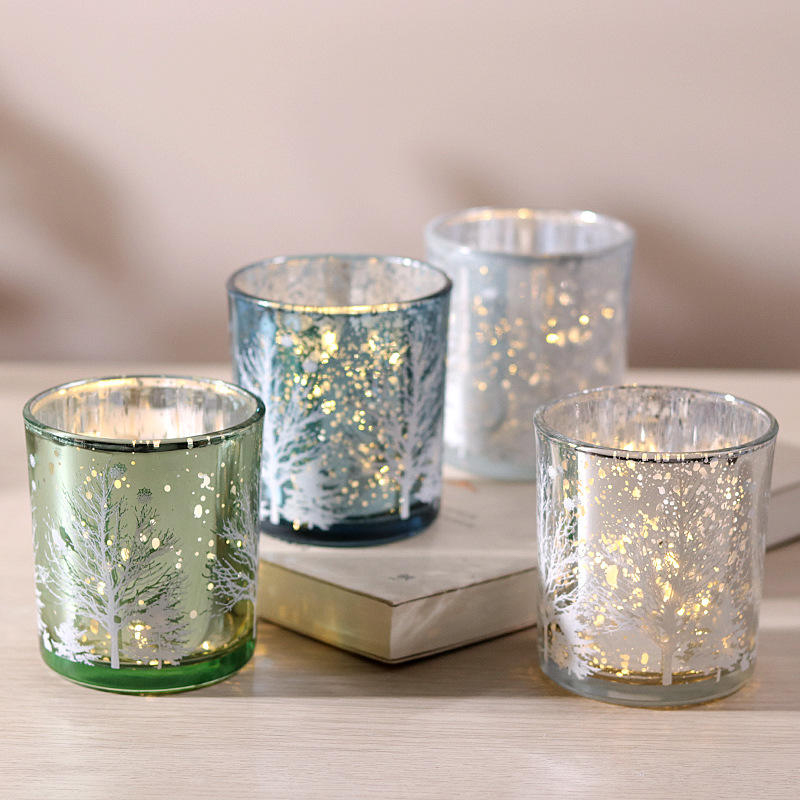
A silvered Christmas Glass tree brings a sense of Old World luxury. It is designed to evoke nostalgia through its reflective and slightly aged appearance. This style of Christmas Glass tree harks back to the mid-19th century when silvered glass was known as "poor man's silver," though today it is highly prized for its unique, warm glow.
- The Patina Effect: High-end mercury glass designs often include deliberate distressing—tiny gaps in the silvering that allow light to leak through. This mimics the natural oxidation seen in antique mirrors, providing a sense of heritage for the Christmas Glass tree. This aged look makes each Christmas Glass tree feel like a family heirloom with a story to tell.
Comparison of Material and Style Technical Parameters
| Style Dimension | Crystal Clear | Mercury Glass | Frosted / Ice | Iridescent / Neon |
| Light Transmittance | 92% - 95% | 5% - 15% | 40% - 60% | 75% - 85% |
| Refractive Logic | Snell's Law (Bending) | Specular Reflection | Lambertian Diffusion | Wave Interference |
| Visual Weight | Low (Ephemeral) | High (Solid/Metallic) | Medium (Soft) | Low (Dreamy) |
| Fingerprint Visibility | High | Low | Very Low | Medium |
Spatial Magic: Arrangement and Matching Art for the Christmas Glass tree
Interior designers treat the Christmas Glass tree as a light tool. Its placement can change the perceived size and warmth of a room through optical manipulation. By strategically positioning a Christmas Glass tree near a window or a lamp, you can project patterns of light and color across the walls, effectively turning the entire room into part of the holiday display.
The interaction between the Christmas Glass tree and other materials in the room is also vital. For example, placing a smooth Christmas Glass tree next to a textured wooden surface creates a tactile contrast that is pleasing to the eye. This multi-sensory approach to decorating ensures that the Christmas Glass tree stands out as a focal point while remaining part of a cohesive design scheme.
Building Visual Focus: The Golden Rule
When arranging a Christmas Glass tree collection, the Rule of Odds is paramount. Creating groups of three or five provides a more natural and sophisticated look than even-numbered pairings. This technique prevents the display from looking too symmetrical or "stiff," allowing the Christmas Glass tree collection to feel more like a curated art installation.
- The Triangle Composition: Place the tallest Christmas Glass tree in the rear center, with two smaller ones flanking it at the front left and front right. This creates a stable, pleasing visual pyramid that leads the eye upward. This arrangement works particularly well on mantels or console tables where the Christmas Glass tree can be seen from several angles.
- The Foyer Greeting: Because glass is non-opaque, a large Christmas Glass tree placed in a foyer does not shrink the entryway. Instead, it catches the light from the open door, providing an immediate sense of holiday sparkle. A Christmas Glass tree in the entryway sets the tone for the rest of the home's decorations.
Creating an Indoor Glass Forest
By mixing textures, you create a narrative within your holiday decor. This technique allows multiple Christmas Glass tree units to coexist without appearing repetitive. A "forest" of glass creates a sense of wonder and whimsy, transforming a standard tabletop into a magical winter landscape.
- The Ice and Fire Pairing: Place a frosted Christmas Glass tree next to a clear one with an internal warm-gold LED. The clear tree acts as the light source, while the frosted tree acts as a diffuser, glowing softly like a tree in a blizzard. This dynamic interaction makes the Christmas Glass tree display feel alive and vibrant.
- Base Materials: Pairing a Christmas Glass tree with a dark velvet runner creates a High Contrast look. The velvet absorbs all light, making the glass tree appear to float in a void. This dramatic setting is perfect for evening gatherings where the Christmas Glass tree can truly shine.
Buying Guide: How to Select a Perfect Christmas Glass tree
Selecting a Christmas Glass tree requires balancing aesthetics with material science to ensure durability and optical quality. Not all glass is created equal, and understanding the differences can help you invest in a Christmas Glass tree that will last for decades. High-quality glass is characterized by its weight, clarity, and the way it handles light.
When shopping for a Christmas Glass tree, always inspect the piece under bright light. Look for consistency in color and the absence of distracting defects. A well-made Christmas Glass tree should feel substantial and balanced. If the Christmas Glass tree has a built-in light, check that the wiring is discreet and that the light is evenly distributed throughout the tree's body.
In-depth Material Identification
- Soda-Lime Glass: The most common. It has a slightly green or blue tint when viewed from the edge due to iron impurities. It is affordable but more prone to cracking if exposed to rapid temperature changes. Most mass-produced Christmas Glass tree ornaments are made from this material.
- Borosilicate Glass: The laboratory grade choice. It is virtually immune to thermal shock. If you plan to use high-output internal lights, a borosilicate Christmas Glass tree is the safest option. This material is also much lighter than lead crystal, making it ideal for large Christmas Glass tree designs.
- Lead Crystal: Traditional crystal contains lead oxide, which increases the density and the refractive index. This makes the Christmas Glass tree exceptionally heavy and capable of splitting light into rainbows. Lead crystal Christmas Glass tree items are often considered the gold standard for luxury holiday decor.
Professional Quality Assessment Rules
- Optical Clarity: Hold the Christmas Glass tree up to a plain white wall. There should be no yellowing or cord lines visible in the glass. Cords are streaks caused by improper mixing of the glass batch and can weaken the Christmas Glass tree over time.
- Structural Soundness: Tap the glass gently with a fingernail. Lead crystal will produce a long, clear ring, while soda-lime glass produces a dull thud. This resonance is a hallmark of high-quality Christmas Glass tree production.
- The Base Check: A high-quality Christmas Glass tree will have a ground base—meaning the bottom has been polished flat on a diamond wheel so it sits perfectly level. A level base prevents the Christmas Glass tree from tipping and ensures its safety on hard surfaces.
Eternal Guardianship: Cleaning and Maintenance of the Christmas Glass tree
The longevity of a Christmas Glass tree is determined by how it is handled and stored during the off-season. Proper care prevents degradation of surface treatments and protects the structural integrity of the glass. Because a Christmas Glass tree is often a delicate object, maintenance should always be performed with patience and the right tools.
Storing your Christmas Glass tree correctly is just as important as cleaning it. Extreme temperature fluctuations can cause glass to expand and contract, leading to "stress fractures." By keeping your Christmas Glass tree in a climate-controlled environment, you ensure that the glass remains stable and beautiful for every holiday season to come.
Cleaning Advice
- The Microfiber Rule: Standard paper towels contain wood fibers that can create microscopic scratches on the surface of a Christmas Glass tree. Only use high-density microfiber. For a Christmas Glass tree with a delicate coating, a dry microfiber cloth is usually sufficient to remove dust and fingerprints.
- The Dusting Technique: For intricate lampworked branches, use a clean, dry fan brush. This allows you to flick dust out of tight crevices without applying pressure to fragile glass limbs. This gentle approach protects the fine details of the Christmas Glass tree.
Environmental Stress Parameters
| Parameter | Ideal Range | Impact of Deviation |
| Temperature | 65 to 75 degrees Fahrenheit | Rapid drops cause delayed checking (cracks) |
| UV Exposure | Minimal | UV light can break chemical bonds in resins and coatings |
| Storage Paper | Acid-Free | Acidic paper eats away at silver and iridescent coatings |
FAQ:
Q: Why does my glass tree feel oily after being in storage?
A: This is known as Glass Disease or Crizzling. In cheaper glass formulations with high alkali content, moisture from the air reacts with the glass to leach out salts. This can be prevented by storing your Christmas Glass tree with silica gel packets to maintain stable humidity. If your Christmas Glass tree feels oily, it is a sign that the glass is chemically unstable and needs better environmental control.
Q: Can I put real candles inside a hollow Christmas Glass tree?
A: Absolutely not, unless specifically labeled as borosilicate. The localized heat of a flame creates a massive temperature gradient against the cool ambient air, causing most decorative Christmas Glass tree units to shatter instantly. Always use battery-operated tea lights for your Christmas Glass tree to ensure safety.
Q: Why is my silver tree turning black?
A: This is silver tarnish. If the bottom seal of your mercury-style Christmas Glass tree is not airtight, sulfur in the air reacts with the silver coating. This is why keeping the base plug intact is vital for the tree's lifespan. Once the silver in a Christmas Glass tree tarnishes, it is very difficult to restore, so prevention is key.
Q: Is the Crystal label just marketing?
A: Technically, glass is an amorphous solid, not a crystal. However, in the industry, Crystal refers to glass with added minerals like Lead, Barium, or Zinc that increase the refractive index. A Crystal Christmas Glass tree will always be brighter and heavier than a standard glass one. The term "crystal" describes the high-end optical performance of the Christmas Glass tree.
Q: How do they get the light inside without wires showing?
A: Modern designs use string-on-wire LEDs where the wire is only 0.2 millimeters thick, often coated in a silver or copper tint to blend with the reflections of the Christmas Glass tree's facets. This thin-wire technology allows the Christmas Glass tree to appear as though it is glowing from within by magic.
Q: How can I tell if a Christmas Glass tree is hand-blown?
A: Look for a pontil mark at the bottom. This is a small, slightly rough scar where the blowpipe was detached. Machine-made trees will usually have perfectly smooth bottoms or visible mold seams running up the side of the Christmas Glass tree. The presence of a pontil mark is a sign of an authentic, artisan-made Christmas Glass tree.
Q: Why do some glass trees have internal bubbles?
A: Bubbles, or "seeds," can be a sign of the manufacturing method. In a hand-blown Christmas Glass tree, small bubbles are often considered part of the artisanal charm. However, in high-end lead crystal, bubbles are seen as a defect. If a Christmas Glass tree has large, irregular bubbles, it may indicate a lower-quality glass melt.
Q: How do I safely pack a Christmas Glass tree for a move?
A: Use double-boxing. Wrap the Christmas Glass tree in acid-free tissue paper, then a layer of bubble wrap. Place it in a small box filled with packing peanuts, and then place that box inside a larger box also filled with peanuts. This creates two layers of shock absorption for your Christmas Glass tree.
Q: Does the color of the glass affect the price of a Christmas Glass tree?
A: Often, yes. Certain colors, like deep reds, require rare elements like gold chloride or selenium, which are more expensive to produce than standard green or blue glass. A ruby-colored Christmas Glass tree will frequently command a higher price due to these material costs.
Q: Is it safe to leave a Christmas Glass tree light on all night?
A: If the Christmas Glass tree uses modern, low-voltage LED lights, it is generally safe as they generate very little heat. However, it is always best practice to turn off any decorative holiday lights, including your Christmas Glass tree, when you leave the house or go to sleep to conserve energy and prevent accidents.
You may also like…
-
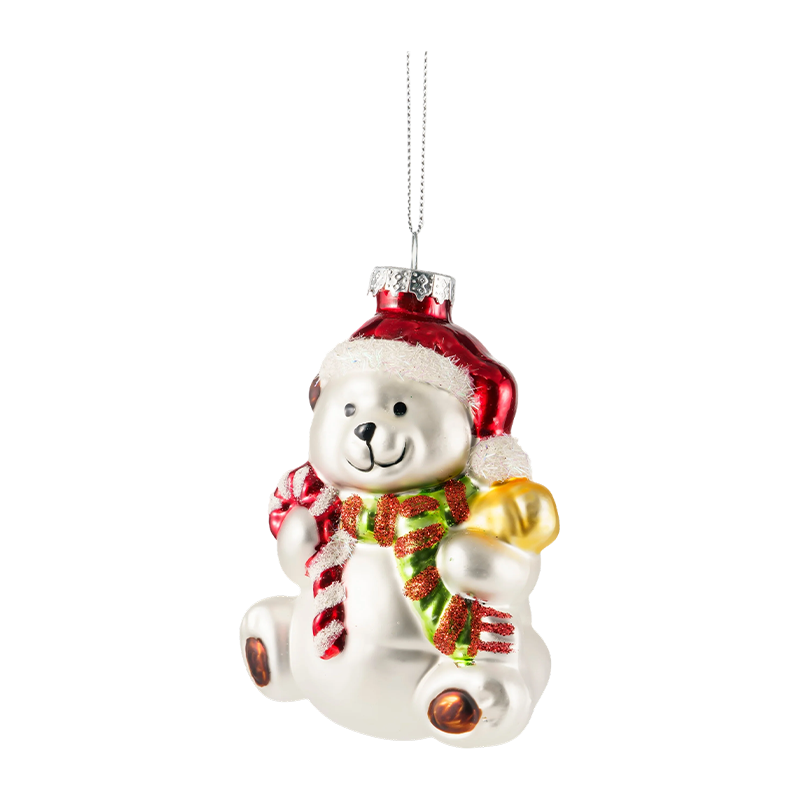
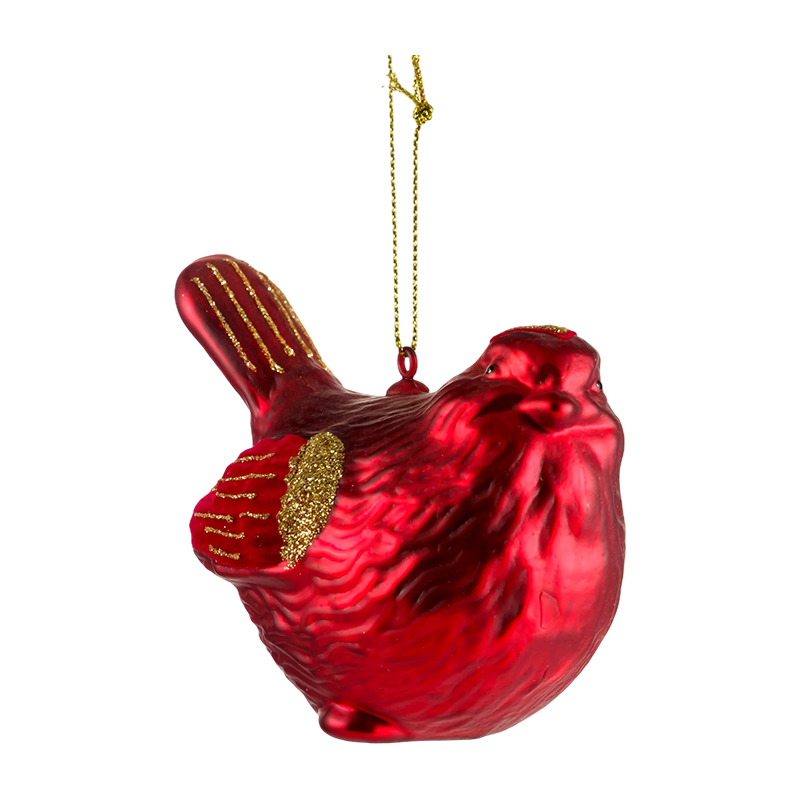
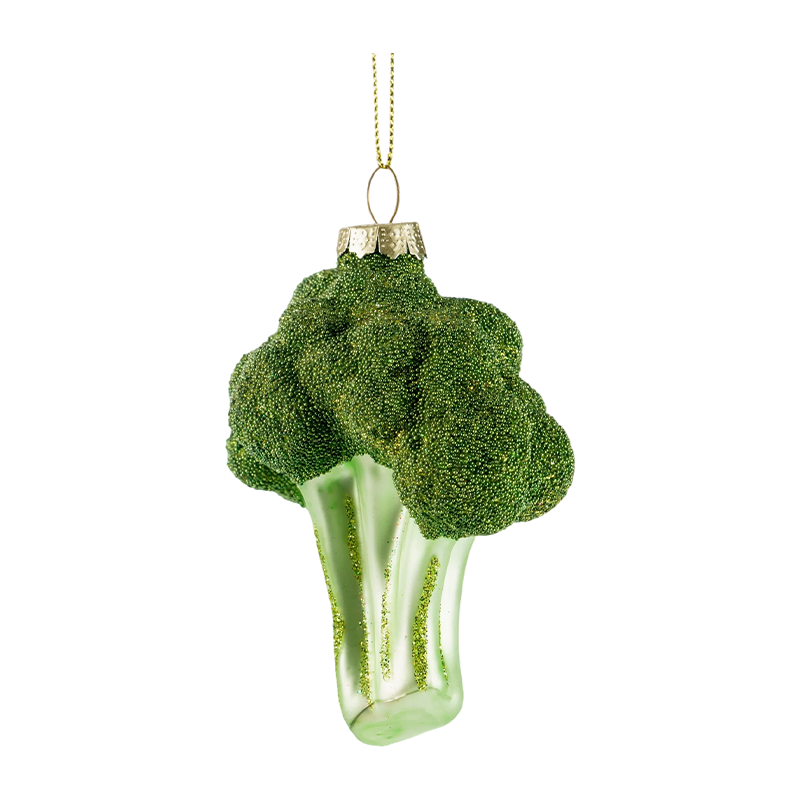 Christmas glass ornament Christmas Glass Ornament Broccoli / Candy Cane / Globe with Deer Shape View More
 -
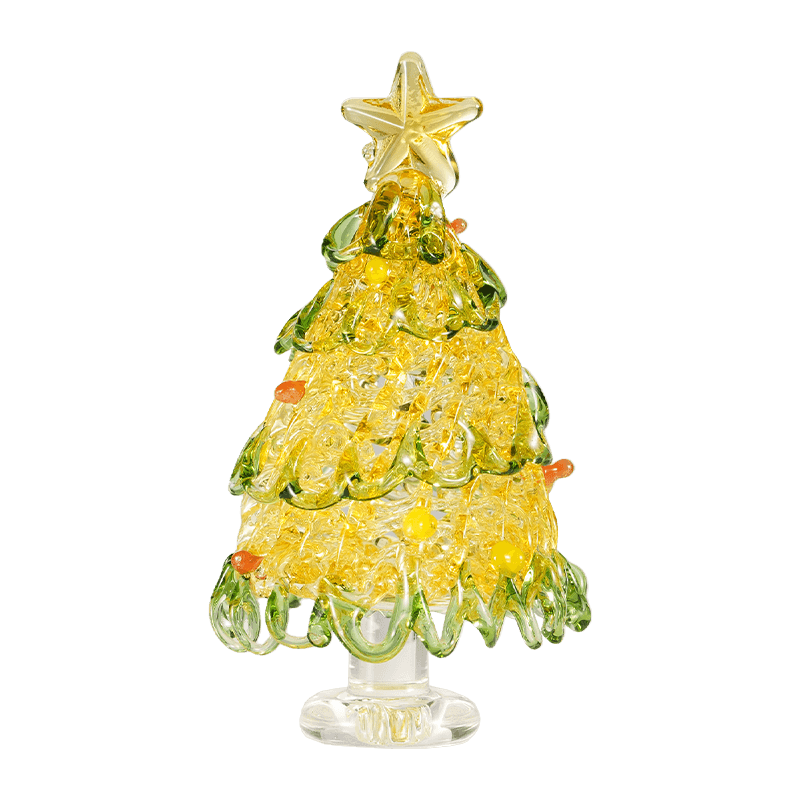
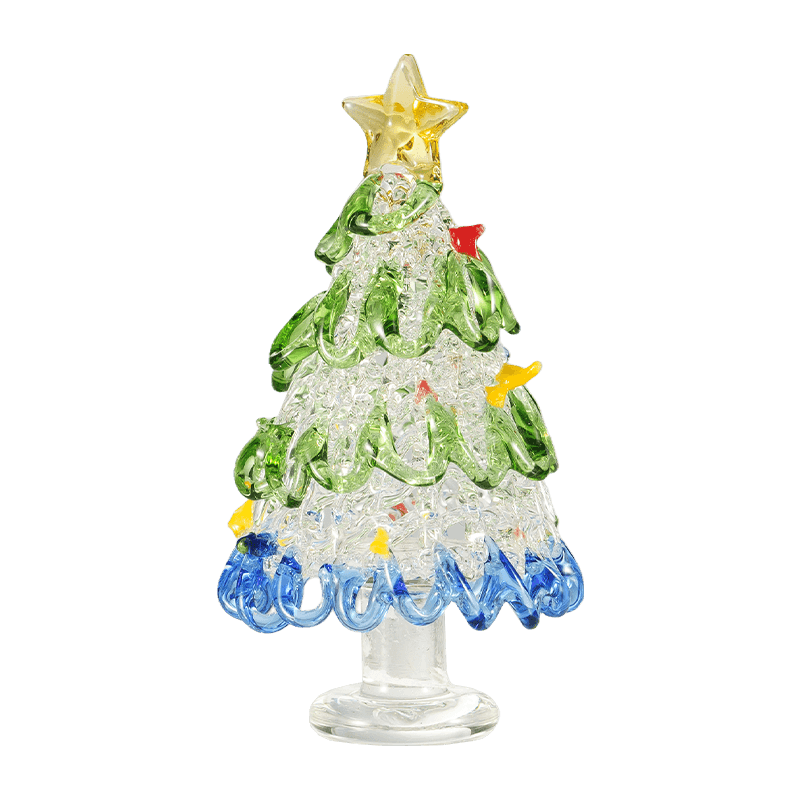
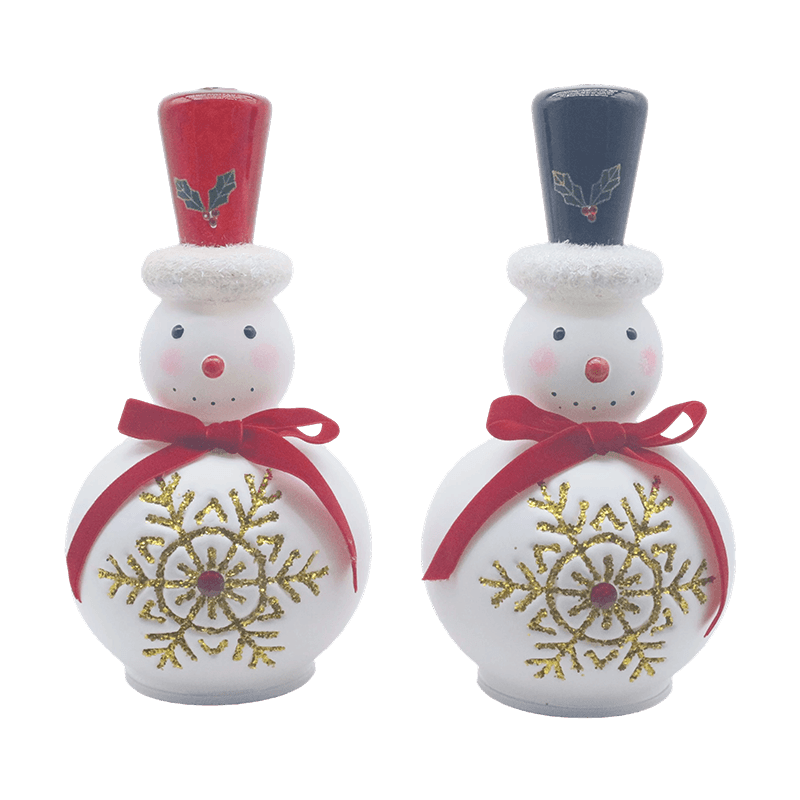 Christmas glass led decoration Vintage Iridescent Hand-Blown Christmas glass led decoration Tabletop View More
 -
-
-
-
News
-
Yangzhou Shuangyang Crafts Co., Ltd. is a professional enterprise specializing in the research and d...
READ MORE -
Yangzhou Shuangyang Crafts Co., Ltd. is a professional enterprise specializing in the research and d...
READ MORE -
Yangzhou Shuangyang Crafts Co., Ltd. is a professional enterprise specializing in the research and d...
READ MORE -
Yangzhou Shuangyang Crafts Co., Ltd. is a professional enterprise specializing in the research and d...
READ MORE -
Yangzhou Shuangyang Crafts Co., Ltd. is a professional enterprise specializing in the research and d...
READ MORE -
Yangzhou Shuangyang Crafts Co., Ltd. is a professional enterprise specializing in the research and d...
READ MORE

Copyright © Yangzhou Shuangyang Crafts Co., Ltd. All Rights Reserved.
