
-
About Us
Why Choose Us?We specialize in holiday decorations that bring celebrations to life. Our core collection features carefully curated products for major holidays, from the sparkling magic of Christmas and the playful spookiness of Halloween to the cheerful freshness of Easter.
 Coming From China, Marketing To The World.
 -
Products
-
News
 Authentic Reliable Quality Naturally Stands Out
Yangzhou Shuangyang Crafts Co., Ltd. is a professional enterprise specializing in the research and development, production, and overseas export of holiday decoration products. Our company was official...
 English
 русский
 Español
News
Search
Categories
Product Categories
Recommend
Categories
 Company News
Product Categories
Recommend
-
Company News
-
 Company News
 -
 Company News
May 25, 2026 - By admin
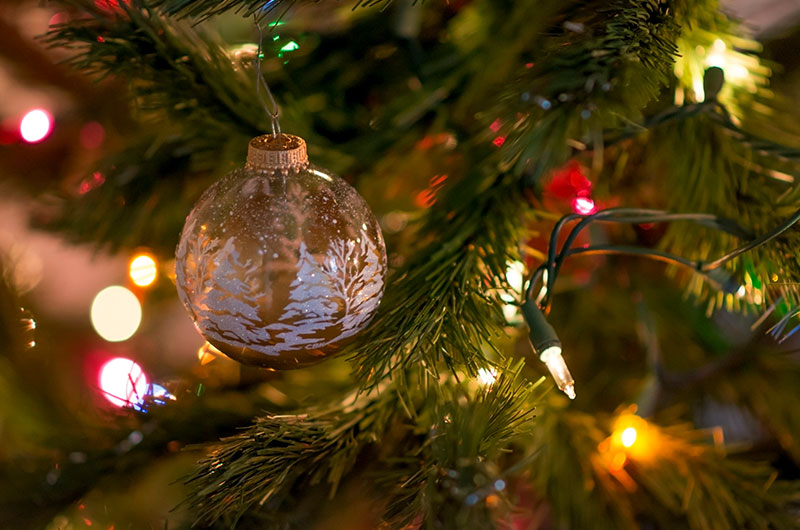
What Are the Best Color Combinations for Christmas Glass LED Decorations to Create a Stunning Display?
Content
- 1 Direct Answer: Classic Red and Gold, Cool Silver and Blue, and Warm White and Copper Are the Three Most Universally Stunning Combinations
- 2 How LED Light Color Affects Glass Decoration Appearance
- 3 The Six Best Color Combinations for Christmas Glass LED Decorations
- 4 Color Combination Quick Reference
- 5 Display Arrangement Principles That Make Any Color Combination Work Better
- 6 Final Recommendation: Start With Two Colors and Add a Metallic Third
A practical color guide for homeowners, decorators, and holiday enthusiasts who want to create cohesive, visually striking Christmas displays using glass LED ornaments and decorations.
Direct Answer: Classic Red and Gold, Cool Silver and Blue, and Warm White and Copper Are the Three Most Universally Stunning Combinations
The most visually impactful Christmas glass LED decoration displays are built around a dominant color, a complementary accent, and a metallic finish that amplifies the LED light. Red and gold remains the most timeless combination — the warm LED glow inside glass ornaments intensifies both colors dramatically. Silver and blue creates a crisp, modern aesthetic that works particularly well with cool-white LEDs. Warm white and copper produces an elegant, understated look ideal for interior spaces where ambiance matters more than visual impact from a distance. All three palettes benefit from the unique way glass refracts and diffuses LED light, creating depth and luminosity that plastic ornaments cannot replicate.
How LED Light Color Affects Glass Decoration Appearance
Before choosing ornament colors, understanding how LED light temperature interacts with glass is essential. The LED light source inside or behind glass decorations fundamentally changes how colors read to the eye:
- Warm white LEDs (2700K–3000K) cast a golden-amber glow that enriches red, gold, copper, and green tones. They make glass look warm and inviting, similar to candlelight. Best paired with traditional and vintage color palettes.
- Cool white LEDs (5000K–6500K) emit a crisp, blue-tinted white that enhances silver, blue, and purple tones while making clear and frosted glass sparkle brilliantly. Best paired with modern and winter-themed palettes.
- Colored LEDs (RGB) — red, green, blue, or multicolor — project their hue directly through glass, creating a stained-glass effect. Colored LEDs work best in clear or lightly frosted glass rather than opaque painted glass, where the color effect is largely lost.
- Flicker and fade LEDs simulate candlelight movement inside glass. These add animation and depth to any color palette and are particularly effective in clear glass globes where the flickering point of light is directly visible.
The golden rule: match LED temperature to your dominant ornament color. Warm LEDs with warm colors; cool LEDs with cool colors. Mismatching — such as cool white LEDs behind red glass — creates a muddy, desaturated appearance that dulls the decoration's visual impact.
The Six Best Color Combinations for Christmas Glass LED Decorations
1. Classic Red and Gold — Timeless Warmth
Red and gold is the definitive Christmas color palette and the combination that most powerfully amplifies warm LED light through glass. Deep red glass ornaments glow ruby-like when backlit by warm white LEDs, while gold glass and metallic accents reflect and scatter the light across surrounding surfaces.
- Dominant color: Deep red glass ornaments — baubles, lanterns, teardrop shapes
- Accent color: Gold glass and metallic-finish ornaments — ratio of approximately 60% red to 40% gold
- Best LED pairing: Warm white (2700K) or amber LED string lights
- Enhancement tip: Add a small number of clear glass ornaments with warm white LED points of light visible inside — these act as visual anchors that prevent the display from reading as flat or heavy
- Best setting: Traditional living rooms, formal dining areas, exterior wreaths and garlands
2. Silver and Blue — Modern Winter Elegance
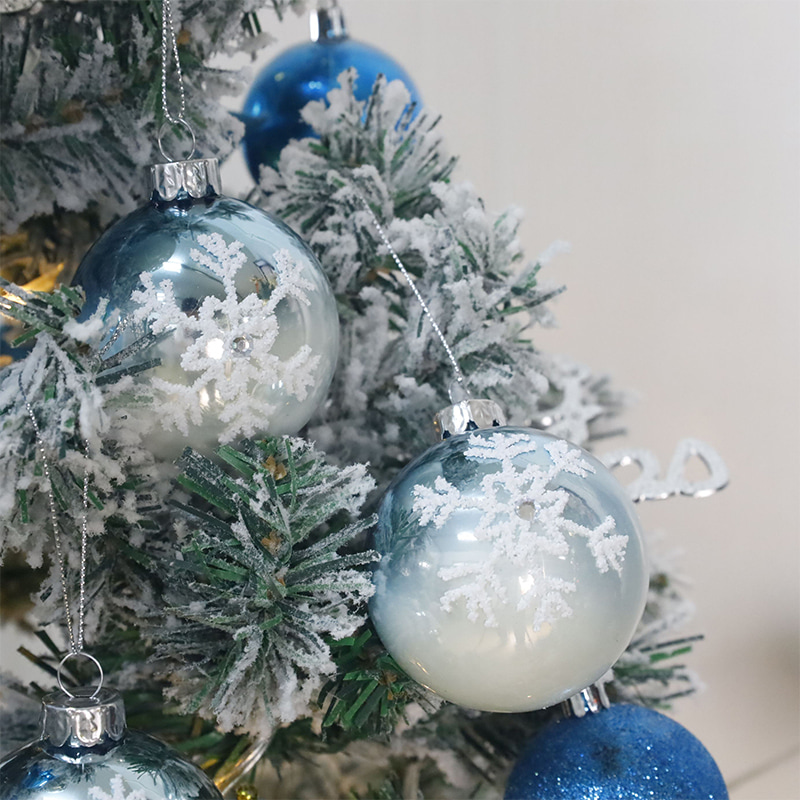
Silver and blue creates a contemporary, frost-and-ice aesthetic that is particularly dramatic when cool white LEDs illuminate glass from within. The cool LED light scatters through silver and blue glass to create the visual impression of ice and snowfall — an effect that is unique to glass ornaments and cannot be replicated with any other material.
- Dominant color: Ice blue and sapphire blue glass ornaments in varied finishes — matte, glossy, and frosted
- Accent color: Silver and mirror-finish glass ornaments — ratio of approximately 55% blue to 45% silver
- Best LED pairing: Cool white (5000K–6500K) or blue-tinted LED string lights
- Enhancement tip: Incorporate clear glass icicle ornaments and snowflake-shaped glass pieces — these refract cool LED light into prismatic sparkle points that animate the display
- Best setting: Modern and minimalist interiors, white or gray room color schemes, commercial window displays
3. Warm White and Copper — Sophisticated Minimalism
Warm white and copper is the most refined and interior-design-forward palette on this list. Clear and frosted white glass ornaments with warm LED fill light create a soft luminosity, while copper-finish glass accents add warmth and a subtle metallic richness without the formality of gold.
- Dominant color: Clear, frosted, and translucent white glass ornaments
- Accent color: Copper and rose-gold glass ornaments — ratio of approximately 65% white/clear to 35% copper
- Best LED pairing: Warm white (2700K) or Edison-style amber LED lights
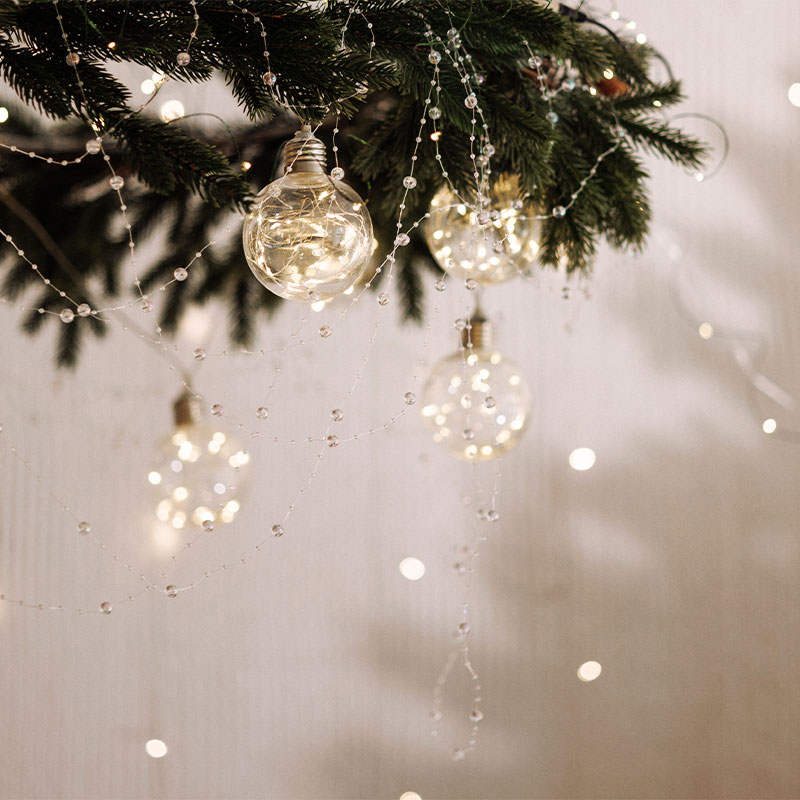
- Enhancement tip: Use glass ornaments with internal LED filament visible through clear glass — the warm filament glow creates an artisanal, handcrafted quality that elevates the overall display
- Best setting: Scandinavian-style interiors, open-plan living spaces, tablescape centerpieces, mantel displays
4. Green and Gold — Forest Luxury
Deep emerald green glass with gold accents evokes the rich palette of Victorian-era Christmas decorating. Warm LED light through dark green glass creates an effect similar to light filtering through pine branches — organic, rich, and deeply festive without relying on red at all.
- Dominant color: Emerald and forest green glass ornaments in glossy finish
- Accent color: Antique gold and champagne glass ornaments — ratio of approximately 60% green to 40% gold
- Best LED pairing: Warm white (3000K) or soft amber LED lights
- Enhancement tip: Mix matte and gloss finishes within the green family — the contrast between light-absorbing matte and light-reflecting gloss creates visual depth and prevents the display from looking flat
- Best setting: Traditional and Victorian-themed rooms, dark wood furniture environments, library or study spaces
5. Purple and Silver — Dramatic Luxury
Purple is one of the most underused colors in Christmas glass decoration and one of the most visually striking. Deep amethyst and plum glass ornaments lit by cool white LEDs create an intensely dramatic display that stands out powerfully in contemporary interiors. Silver accents amplify the cool-light refraction for maximum visual impact.
- Dominant color: Deep purple, amethyst, and plum glass ornaments
- Accent color: Silver and mercury-glass finish ornaments — ratio of approximately 60% purple to 40% silver
- Best LED pairing: Cool white (5000K) or purple-tinted LED string lights
- Enhancement tip: Add a small number of clear crystal glass ornaments — their prismatic light splitting creates rainbow micro-refractions that add energy and movement to an otherwise monochromatic palette
- Best setting: Contemporary and eclectic interiors, maximalist decorating styles, boutique retail displays
6. Multicolor with Clear Glass — Joyful Tradition
Multicolor glass LED decorations — the classic childhood Christmas aesthetic — work best when clear and lightly frosted glass is used as the primary vessel for colored LED light. The glass acts as a lens, softening and diffusing colored light into rich, saturated glows rather than the harsh point-source effect of colored lights in open air.
- Dominant format: Clear and frosted glass ornaments containing multicolor RGB LED light sources
- Accent elements: Colored glass ornaments in red, green, blue, and gold to reinforce the multicolor palette with solid-color pieces
- Best LED pairing: RGB multicolor LED string lights or color-changing LED sets
- Enhancement tip: Limit the multicolor palette to 4 colors maximum — red, green, blue, and gold — rather than using every available color. Disciplined multicolor displays read as intentional and joyful; undisciplined ones read as chaotic
- Best setting: Family homes with children, playful and casual decorating styles, community and public Christmas tree displays
Color Combination Quick Reference
| Color Combination | Best LED Temperature | Visual Style | Ideal Setting | Difficulty to Execute |
|---|---|---|---|---|
| Red and Gold | Warm white 2700K | Traditional, festive | Living room, exterior | Easy |
| Silver and Blue | Cool white 5000K+ | Modern, winter | Contemporary interiors | Easy |
| Warm White and Copper | Warm white 2700K | Elegant, minimalist | Mantel, tablescape | Moderate |
| Green and Gold | Warm white 3000K | Victorian, luxurious | Traditional rooms | Moderate |
| Purple and Silver | Cool white 5000K | Dramatic, contemporary | Modern, eclectic rooms | Moderate |
| Multicolor with Clear Glass | RGB multicolor | Joyful, playful | Family homes, public trees | Easy |
Display Arrangement Principles That Make Any Color Combination Work Better
Choosing the right color combination is only half the equation. How those colors are arranged determines whether the display reads as intentional and polished or scattered and busy:
- Follow the 60-30-10 rule. Use your dominant color for 60% of pieces, your accent color for 30%, and a metallic or neutral glass for the remaining 10%. This ratio is borrowed from interior design and consistently produces balanced, professional-looking results.
- Vary the finish within each color. Use matte, gloss, frosted, and glittered versions of the same color rather than all-identical ornaments. This creates texture and depth — critical for glass LED pieces where light interaction differs dramatically between finishes.
- Distribute colors evenly — avoid clustering. Group the same color together and the display looks patchy. Distribute each color evenly around the tree or display area, then step back and assess from 6 to 8 feet away — this is the distance from which most displays are viewed.
- Place larger ornaments deeper in the tree, smaller ones at the tips. Larger glass pieces catch and redirect more LED light — placing them closer to the light source maximizes their luminosity. Smaller pieces at branch tips catch ambient light and create a sparkling perimeter.
- Include at least one clear or transparent glass element in every palette. Clear glass ornaments act as visual breathing room in any color scheme, preventing the display from feeling heavy or overwhelming. They also transmit the most LED light of any glass type, creating bright anchor points that draw the eye.
Final Recommendation: Start With Two Colors and Add a Metallic Third
The most common mistake in Christmas glass LED decoration is using too many colors without a unifying principle. Start with a dominant color that suits your space and personal style, add a single complementary accent color, then introduce gold, silver, or copper as a metallic third element that ties the palette together and maximizes LED light reflection. Match your LED string light temperature to your dominant color — warm white for warm palettes, cool white for cool ones — and the glass will do the rest. The unique optical properties of glass under LED illumination — refraction, diffusion, and internal glow — make even a simple two-color palette look extraordinary when the light temperature is correctly matched to the ornament colors.
You may also like…
-
-
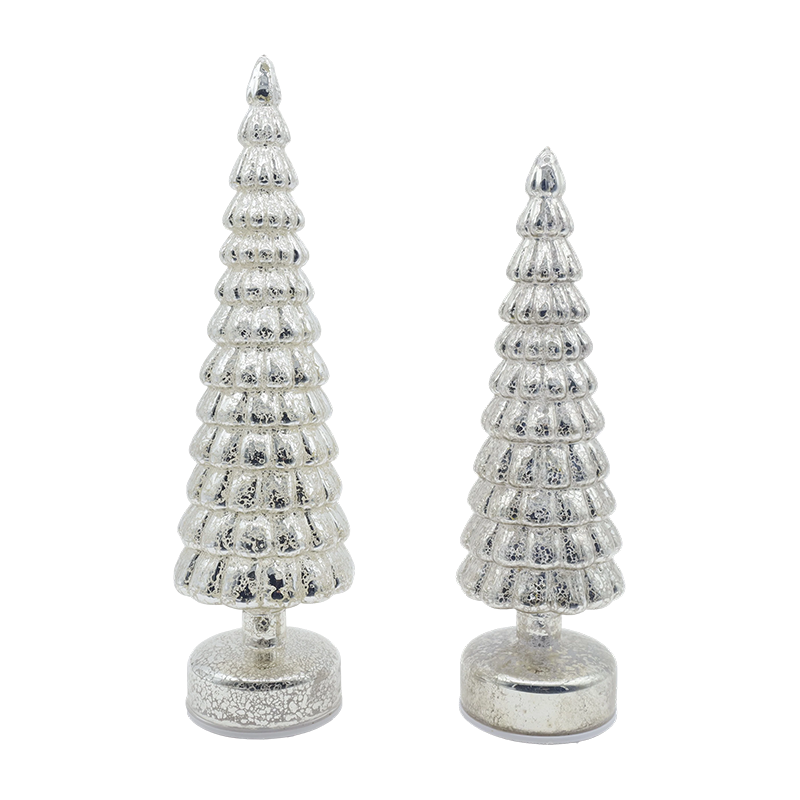 Christmas Glass tree with led light 10×38 & 10×33cm LED Light Up Rotating Christmas Glass Tree Tabletop Ornaments View More
 -
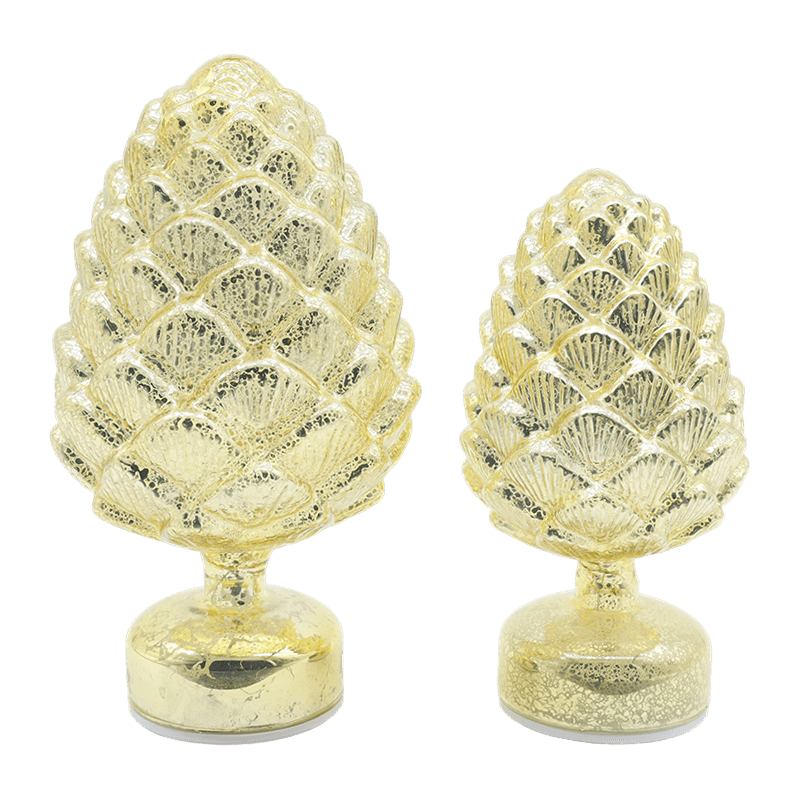 Christmas glass led decoration 15×28 cm & 11×22 cm Pinecone Christmas Rotating Glass LED Tabletop Decoration View More
 -
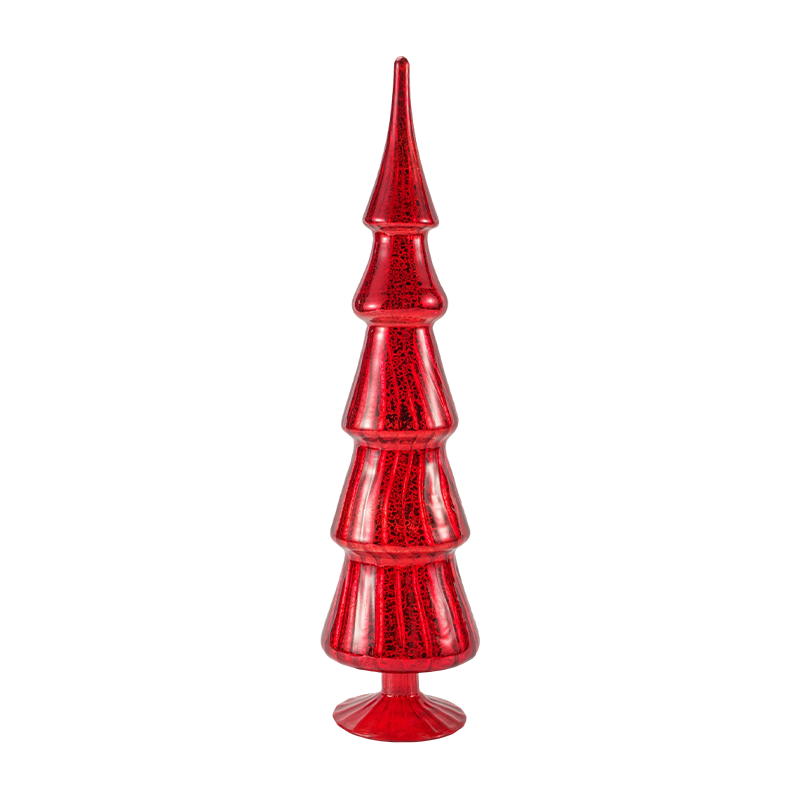 Other material decorations 10×40cm Rotating Striped Christmas Glass Tree 2-Piece Set Tabletop Decor View More
 -
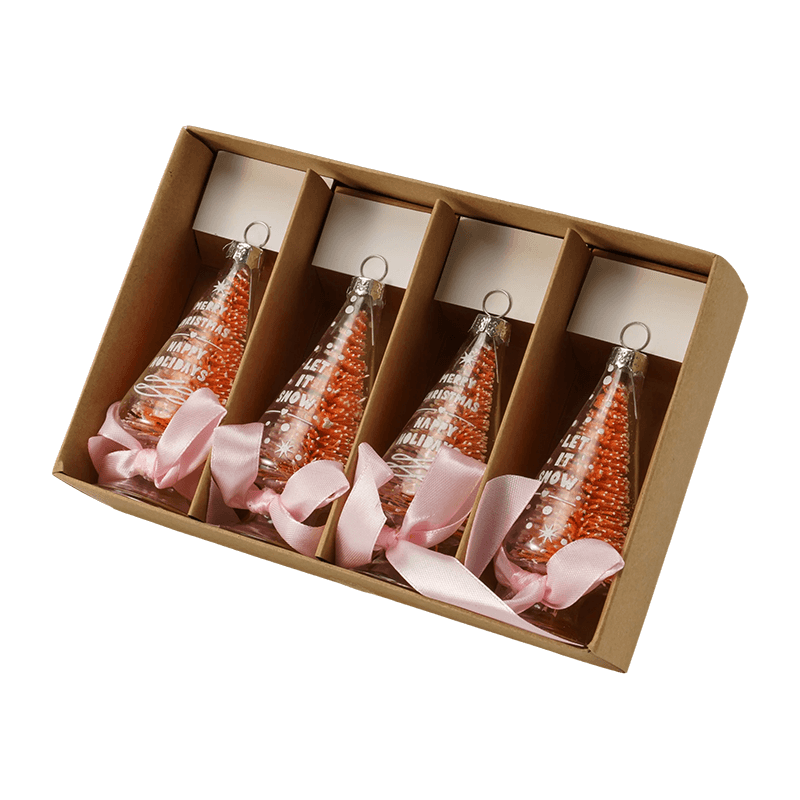
-
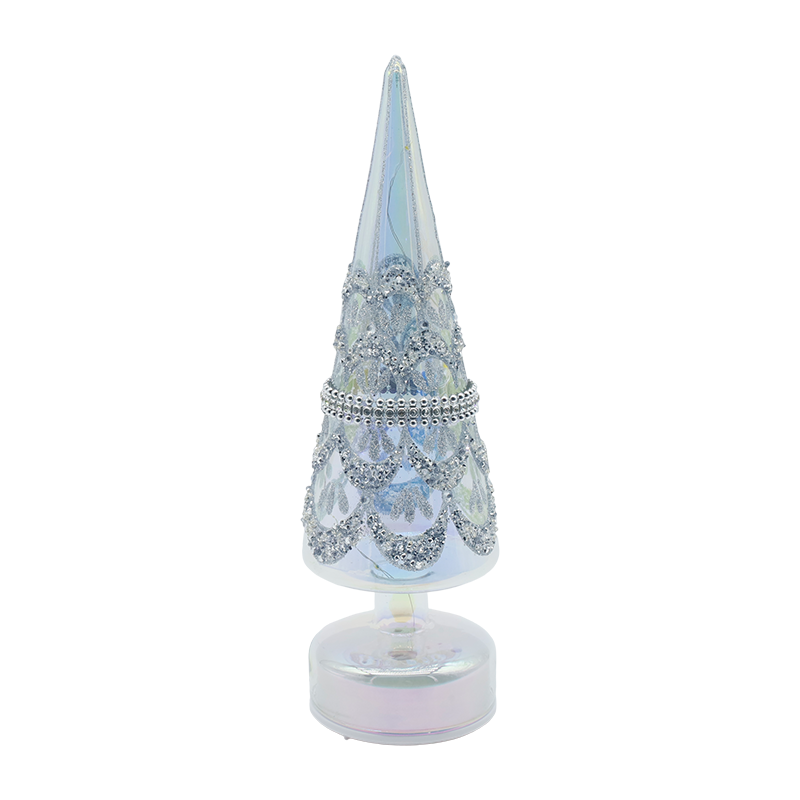 Christmas Glass tree with led light 10×30cm Rotating Christmas Glass Tree with LED Lights Iridescent Festive Decor View More
News
-
Yangzhou Shuangyang Crafts Co., Ltd. is a professional enterprise specializing in the research and d...
READ MORE -
Yangzhou Shuangyang Crafts Co., Ltd. is a professional enterprise specializing in the research and d...
READ MORE -
Yangzhou Shuangyang Crafts Co., Ltd. is a professional enterprise specializing in the research and d...
READ MORE -
Yangzhou Shuangyang Crafts Co., Ltd. is a professional enterprise specializing in the research and d...
READ MORE -
Yangzhou Shuangyang Crafts Co., Ltd. is a professional enterprise specializing in the research and d...
READ MORE -
Yangzhou Shuangyang Crafts Co., Ltd. is a professional enterprise specializing in the research and d...
READ MORE

Copyright © Yangzhou Shuangyang Crafts Co., Ltd. All Rights Reserved.
