
-
About Us
Why Choose Us?We specialize in holiday decorations that bring celebrations to life. Our core collection features carefully curated products for major holidays, from the sparkling magic of Christmas and the playful spookiness of Halloween to the cheerful freshness of Easter.
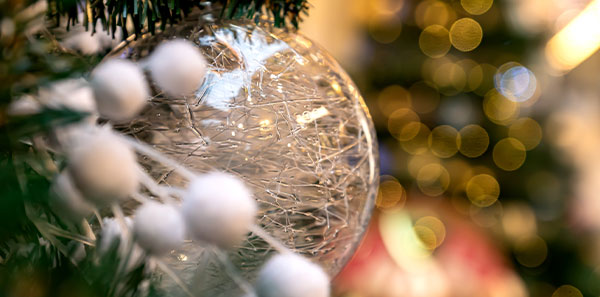 Coming From China, Marketing To The World.
 -
Products
-
News
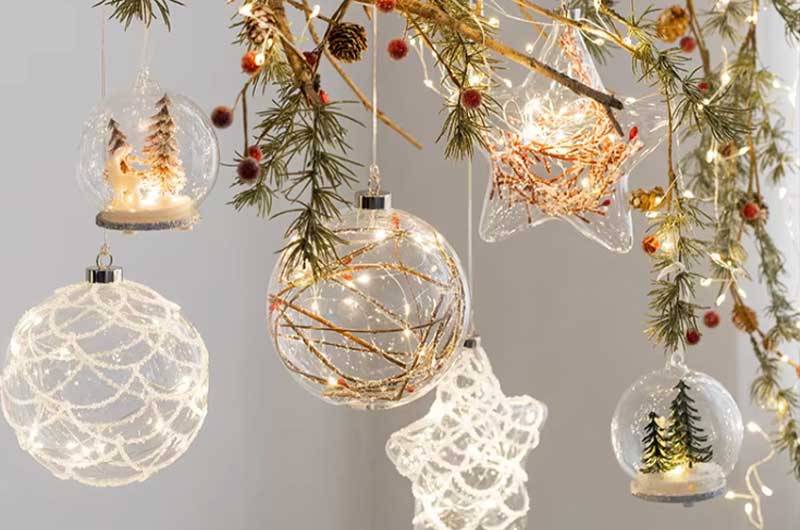 Authentic Reliable Quality Naturally Stands Out
Yangzhou Shuangyang Crafts Co., Ltd. is a professional enterprise specializing in the research and development, production, and overseas export of holiday decoration products. Our company was official...
 English
 русский
 Español
Search
Categories
Product Categories
Recommend
Categories
 Company News
Product Categories
Recommend
-
Company News
-
 Company News
 -
 Company News
Jul 20, 2026 - By admin
Materials and Buying Guide
What are christmas ornaments made of?
Content
- 1 Parts of a Christmas Tree and Where Ornaments Belong
- 2 A Short History of Ornament Materials
- 3 How Glass Christmas Ornaments Are Actually Made
- 4 What Are Christmas Ornaments Made Of, Material by Material
- 5 Ornament Finishes and Coatings Explained
- 6 Christmas Globes and Glass Baubles Explained
- 7 Christmas Ornament Shape Names
- 8 Standard Christmas Ornament Sizes and Size Chart
- 9 Examples of Ornaments by Material, Shape and Finish
- 10 How to Care For and Store Ornaments by Material
- 11 Choosing Materials and Colors for a Themed Tree
- 12 Christmas Decor Names Beyond the Ornament
- 13 Sourcing Ornaments From a Manufacturer
- 14 Ornament Hooks, Loops and Hanging Methods
- 15 Common Ornament Buying Mistakes to Avoid
- 16 Frequently Asked Questions
- 16.0.1 What are ornaments made of most often on a modern factory made tree
- 16.0.2 What is the difference between a bauble and a globe
- 16.0.3 What is the actual standard size for a Christmas ball ornament
- 16.0.4 Are mercury glass ornaments actually made with mercury
- 16.0.5 What shape works best for the tips of the tree
- 16.0.6 Why do glass ornaments cost more than plastic ones
- 16.0.7 Can wooden ornaments be personalized as easily as glass ones
Materials and Buying Guide
From hand blown glass globes to painted wood and light plastic baubles, here is exactly what goes into the ornaments hanging on a Christmas tree, how to read their sizes, and where to source them for a shop, hotel or wholesale order.
Short answer: most Christmas ornaments are made from one of five core materials: blown or molded glass, lightweight plastic (shatterproof PVC or PET), turned or carved wood, thin metal such as tin or aluminum, and mixed materials like resin, ceramic, foam and fabric. Glass ornaments give the most traditional shine and the classic thin, ringing sound. Plastic ornaments are shatterproof and used heavily in hotels, malls, schools and any tree with children or pets nearby. Wood ornaments are prized for a natural, rustic look and for personalization. Metal ornaments, often tin or aluminum, are common for stars, bells and cutout shapes. Below, every material, shape name, and standard size is explained in detail, along with real examples and a sizing chart you can use for wholesale ordering.
Parts of a Christmas Tree and Where Ornaments Belong
Before looking at ornament materials, it helps to understand the parts of a Christmas tree, since different ornament weights and shapes are meant for different parts of the tree.
- Leader or crown: the very top of the tree, where a tree topper such as a star or angel is placed instead of a standard ornament.
- Tiers or whorls: the horizontal layers of branches that circle the trunk at regular intervals, formed by one year of growth on a natural fir or pine.
- Branches: the main limbs extending outward from the trunk, strong enough to hold garland and mid-weight ornaments.
- Branch tips or laterals: the thinner ends of each branch, ideal for lightweight glass balls, small baubles, and delicate glass icicles that need to hang freely without bending the branch.
- Trunk: the central stem, usually hidden by branches and string lights, and not typically used to hang ornaments directly.
- Interior or inner canopy: the space closer to the trunk, often used for larger, heavier ornaments such as big glass globes or wooden ornaments, since this area has thicker, sturdier wood underneath.
Knowing these parts matters for buyers too. A heavy blown glass globe of 100mm or larger should sit on an inner branch close to the trunk, while a 40mm miniature ball or a slim glass icicle belongs on the outer tips where a heavier piece would cause drooping.
Professional tree decorators often work in three depth layers rather than treating the tree as one flat surface. The first layer is deep inside the canopy, close to the trunk, where large ornaments and even string lights are pushed inward so they glow from within the tree rather than sitting only on the surface. The second layer is the mid branch area, used for the bulk of standard 70mm to 80mm ornaments and most of the garland. The third layer is the outer tip area, reserved for the lightest pieces, including miniature balls, ribbon accents and elongated icicles, since this is the area most visible from a distance and most prone to sagging under any real weight. Working in these three layers, rather than hanging every ornament at arm's length from the front of the tree, is the main technique that separates a professionally decorated tree from a quickly decorated one, and it applies equally to a small tabletop tree and a twelve foot commercial display.
A Short History of Ornament Materials
Before factories existed to mass produce ornaments, trees were decorated with whatever was edible or easy to make at home, including strung popcorn, dried orange slices, small candles, apples, nuts wrapped in foil, and simple paper cutouts. Glass ornaments as we know them today began in the glassblowing towns of Lauscha, Germany, in the middle of the 1800s, where local glassblowers who already made glass beads and eyes for dolls started shaping molten glass into fruit and nut forms using clay molds, then coating the inside with a reflective metallic layer. This German glassblowing tradition is the direct ancestor of the round glass ball ornament sold today, and it is also where the silvering process behind mercury glass ornaments originated.
Mass production changed the ornament industry twice in the last century. First, machine blown glass in the early to mid 1900s made round glass balls cheap enough for the average household, moving ornaments from a luxury item to a standard part of the holiday season. Second, the rise of injection molded plastic in the second half of the century made shatterproof ornaments possible, which opened up commercial spaces such as shopping malls, offices and schools that could not risk broken glass on the floor. Wood, metal, ceramic and fabric ornaments have run alongside both of these shifts as smaller scale, often handcrafted alternatives, and they remain popular today specifically because they read as more personal or more natural than a mass produced glass or plastic piece.
How Glass Christmas Ornaments Are Actually Made
Understanding the manufacturing process helps explain why glass ornaments are priced and sized the way they are. The process generally follows six steps at a typical factory.
- Gathering: a worker or a machine gathers a controlled amount of molten glass from a furnace held at a very high temperature, usually well above one thousand degrees.
- Blowing: the molten glass is blown, either by mouth on a hollow blowpipe for handmade pieces or by compressed air on automated lines, into a two piece cast iron or clay mold that carries the shape and any surface pattern, such as ribbing or a swirl texture.
- Annealing: the newly shaped glass is passed through a slow cooling oven called an annealing lehr, which relieves internal stress in the glass so the finished ornament does not crack later from small temperature changes in a warm living room.
- Silvering: a silver nitrate solution is drawn or poured into the inside of the piece to coat the interior wall, which is what gives a glass ornament its mirror like reflective shine, including the antique finish used for mercury glass ornaments.
- Painting and decorating: the outside of the piece is dipped in colored lacquer, then hand painted, airbrushed, or stenciled with additional patterns, glitter, or metallic accents.
- Capping and finishing: a metal cap is crimped or glued over the neck opening, a hanging loop is threaded through the cap, and the finished ornament is inspected, packed in a foam lined box, and prepared for shipping.
Wooden ball ornaments follow a shorter process: the wood is turned on a lathe into two matching hemispheres, the hemispheres are glued together around a small metal eyelet, then the surface is sanded, primed, painted or stained, and sealed with a protective varnish. Plastic ornaments are produced through injection molding, where melted plastic pellets are forced into a metal mold under pressure, cooled, released, then metallized or painted in a separate finishing step.
Materials
What Are Christmas Ornaments Made Of, Material by Material
Christmas ornaments have been made from whatever materials were on hand in a given era and region, from real fruit and popcorn strings in early tradition to today's factory produced glass and plastic baubles. Here is a full breakdown of the materials used in modern ornament manufacturing.
Glass Ornaments
Glass is the material most people picture when they think of a classic Christmas ornament. A glass Christmas ornament is typically made by blowing molten glass into a mold, then coating the inside with a silver nitrate solution to create the reflective shine, followed by hand painting on the outside. This is the origin of the term mercury glass ornaments, a historical name from a time when silvering solutions used mercury compounds, though modern mercury glass ornaments use safer silver nitrate coatings while keeping the same antiqued, reflective look. Glass ornaments are lightweight for their size because they are hollow and thin walled, but they are fragile and need careful packing, foam sleeves, and padded boxes for shipping.
Crystal Ornaments
Crystal ornaments are a step up from standard glass, made with leaded or high clarity glass that is cut or faceted to catch and refract light, similar to fine crystal glassware. These pieces are heavier and denser than blown glass baubles, often used for premium gift lines, anniversary editions, or corporate gifting, and they are priced higher due to the precision cutting process.
Plastic Ornaments
Plastic ornaments are made from PVC, PET or polystyrene, injection molded or vacuum formed into shape, then coated with a metallic or pearlized finish to imitate glass. Shatterproof plastic ornaments are the standard choice for commercial trees in shopping centers, hotel lobbies, schools, and any household with young children or active pets, since they will not break into sharp pieces if dropped.
Wood Ornaments
Wood ornaments are cut, turned on a lathe, or laser cut from basswood, pine, birch or plywood, then sanded, painted, stained or laser engraved. Wooden christmas ball ornaments are a growing category, made by turning two wooden hemispheres on a lathe and joining them, then finishing with paint, varnish or a natural oiled surface. Wood is a popular choice for buyers wanting a natural, rustic, farmhouse, or Scandinavian style tree, and it is also the easiest material for engraving names, dates and initials.
Metal Ornaments
Metal ornaments are usually stamped or die cut from thin tin, aluminum or brass sheet, then plated, painted or left with a raw antiqued finish. Metal is common for flat cutout shapes like stars, snowflakes, bells and reindeer silhouettes, and it holds fine detail well, which is why it is often used for filigree style ornaments with cut out patterns.
Resin, Ceramic, Fabric and Foam
Resin ornaments are cast in molds and can imitate the look of carved wood, porcelain or stone at a lower cost, and they hold up well to humidity. Ceramic ornaments are fired clay, glazed and painted, often used for figural shapes such as houses, animals or nutcrackers. Fabric ornaments include felt shapes, quilted balls, and stuffed figures, popular for a soft, tactile, farmhouse or nursery themed tree. Foam ornaments, usually polystyrene or EVA foam, are lightweight, inexpensive, and often used as a base that is then wrapped in glitter, fabric or sequins.
Best for shine and tradition
Glass, crystal and mercury glass ornaments give the deepest reflective color and the classic thin, breakable feel associated with heirloom trees.
Best for safety and durability
Plastic and metal ornaments survive drops, shipping, storage, and repeated seasonal use far better than glass, making them the standard for commercial settings.
Ornament Finishes and Coatings Explained
Two ornaments made from the same material, such as glass or plastic, can look completely different once a finish is applied. Knowing the finish names is just as useful as knowing the shape names when placing an order or describing what you want to a supplier.
- Glossy or shiny finish: a smooth, high shine lacquer coat that reflects light directly, the most traditional look for a glass ball ornament.
- Matte finish: a flat, non reflective coat, often chosen for modern, muted, or Scandinavian color schemes where a soft look is preferred over sparkle.
- Pearl or pearlized finish: a soft, slightly iridescent coating that shifts subtly in color depending on the light and viewing angle.
- Metallic finish: a solid, opaque metal look in gold, silver, copper or bronze, usually achieved with a vacuum metallizing process on plastic or a silvering process on glass.
- Glitter finish: a layer of fine glitter applied over a glue coat, either covering the full surface or used as an accent pattern over a base color.
- Frosted or sanded finish: a lightly etched or sandblasted surface that softens the shine into a diffused glow, often paired with a snow or winter theme.
- Antique or crackle finish: an intentionally aged look, created with a crackling lacquer or an uneven silvering process, used heavily on mercury glass ornaments.
- Two tone or swirl finish: two colors combined during shaping, as described in the red and white swirl ornaments section below.
Christmas Globes and Glass Baubles Explained
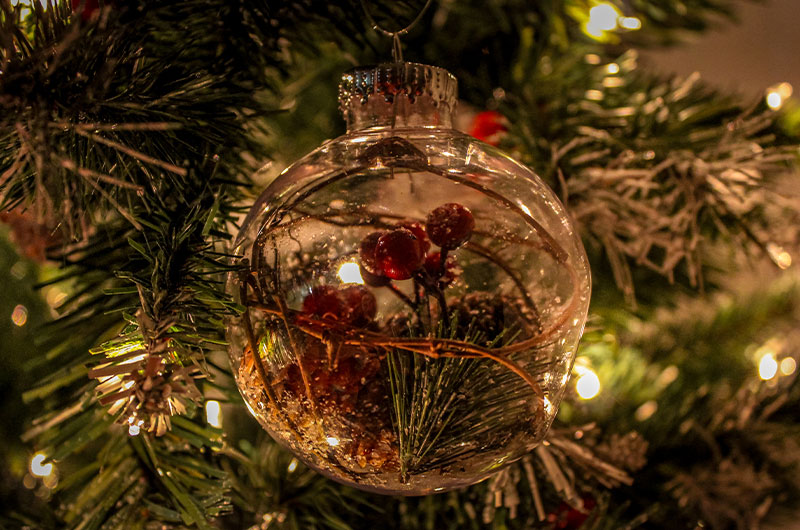
The word globe is simply another name for a round glass ornament, and christmas globes usually refers specifically to the classic sphere shaped glass ornament with a metal cap and hanging loop. The word bauble is the more common term in British English for the same round ornament, while American English tends to say ball ornament or ornament ball. Glass baubles are made by blowing a gather of molten glass into a two piece mold, then annealing it slowly to relieve internal stress in the glass so it does not crack from temperature changes on the tree.
A traditional glass globe has three parts: the glass sphere itself, a metal cap fitted over the neck opening, and a thin wire loop through the cap that holds the string or hook. Higher end globes use a spring clip inside the cap to grip the glass firmly, while cheaper versions rely on glue alone, which can loosen over several seasons of use.
Shapes
Christmas Ornament Shape Names
Ornament catalogs and wholesale price lists use a fairly consistent set of shape names across the industry. Knowing these names makes it much easier to place an accurate order, especially for buyers working with an overseas factory where product codes are built around shape and size.
| Shape Name | Description | Common Material |
|---|---|---|
| Ball or round | The classic sphere, the most common shape on any tree | Glass, plastic, wood |
| Bauble | British term for the round ball ornament | Glass, plastic |
| Teardrop or finial | A rounded top narrowing to a point at the bottom | Glass, plastic |
| Icicle or elongated drop | A long, thin, tapering shape mimicking a hanging icicle | Glass, metal |
| Disc or reflector | A flat, coin shaped ornament, often with an indented pattern | Glass, metal, plastic |
| Onion or lantern | A bulbous mid section that narrows at both top and bottom | Glass |
| Star | A pointed star silhouette, common as a tree topper or hanging piece | Metal, glass, wood |
| Bell | A bell shaped ornament, often with a small clapper inside | Glass, metal, ceramic |
| Snowflake | A flat, symmetrical, six pointed cutout shape | Metal, acrylic, wood |
| Figural or novelty | Any shape modeled after an object, animal or character | Glass, resin, ceramic |
Elongated Christmas Ornaments
Elongated christmas ornaments cover the icicle, finial, drop and lantern shapes described above. These pieces are longer than they are wide, and they are usually hung on outer branch tips where their length can hang freely without touching the branches below. Elongated shapes are popular for filling the visual gaps between round balls, and they photograph well because the extra length catches and reflects light along the whole surface, not just at one point like a round ball does.
Standard Christmas Ornament Sizes and Size Chart
Ornament sizes are almost always given as a diameter measurement in millimeters, since the manufacturing molds are built to metric sizing even for ornaments sold in inch measuring markets. Here is the actual ornament size chart used across most wholesale catalogs, with millimeter to inch conversions.
| Size Name | Diameter in mm | Approx Diameter in Inches | Typical Use |
|---|---|---|---|
| Miniature | 25mm to 40mm | 1 inch to 1.6 inches | Small trees, wreaths, garland accents, gift toppers |
| Small | 50mm to 60mm | 2 inches to 2.4 inches | Filling gaps between larger ornaments, tabletop trees |
| Standard or medium | 70mm to 80mm | 2.75 inches to 3.1 inches | The most common size for a full size residential tree |
| Large | 100mm | 4 inches | Statement pieces on inner branches, commercial trees |
| Extra large or jumbo | 120mm to 150mm | 4.7 inches to 6 inches | Large commercial trees, hotel lobbies, storefront displays |
| Oversized display | 200mm and above | 8 inches and above | Outdoor trees, mall displays, photo backdrops |
How to choose a size for your tree
A common rule used by professional tree decorators is to match ornament size to tree height. A 6 foot tree generally looks balanced with 70mm to 80mm ornaments as the main size, a 7 to 9 foot tree can carry 80mm to 100mm pieces, and anything above 10 feet, such as a commercial lobby tree, usually needs 100mm to 150mm ornaments so the pieces do not visually disappear against the scale of the tree.
Real Examples
Examples of Ornaments by Material, Shape and Finish
To make the categories above easier to picture, here are concrete examples of ornaments a buyer or shopper is likely to come across, grouped by their defining feature.
| Example | Material | Notable Feature |
|---|---|---|
| Antique silvered glass ball | Mercury glass | Aged, crackled silver finish, vintage look |
| Hand painted folk art glass bauble | Blown glass, hand paint | Painted floral or striped patterns, often made in Eastern Europe |
| Faceted cut crystal star | Leaded crystal glass | Multi faceted surface that splits light into color |
| Turned wooden ball with engraved name | Basswood, laser engraving | Natural finish, personalized with a family name |
| Shatterproof red ball for a mall tree | PVC plastic | Matte or glossy finish, break resistant for public spaces |
| Tin cutout snowflake with filigree pattern | Stamped tin | Fine cutout detail, lightweight, antique bronze or silver plating |
| Felt gingerbread man ornament | Felt fabric, stuffing | Soft texture, hand stitched details |
| Ceramic nutcracker figure | Glazed ceramic | Painted glaze, freestanding or hanging base |
| Twisted red and white glass ball | Blown glass | Swirl pattern created during the glass blowing process |
Red and White Swirl Ornaments
Red and white swirl ornaments are made by combining two colors of molten glass, or two colors of plastic during molding, and twisting them together before the shape sets, which creates a candy cane style spiral pattern across the surface. This finish is one of the most requested styles for a classic red and white holiday palette, and it works in both glass and shatterproof plastic versions, with the plastic version being far more common for outdoor use or for households wanting the look without the breakage risk.
Reference examples of ornaments
Two further examples of ornaments worth noting for buyers comparing quality tiers are matte finish glass balls, which have a soft, chalky, non reflective surface popular in modern minimal color schemes, and glitter dipped foam balls, where a foam sphere base is coated in glue and rolled in fine glitter for a low cost, lightweight sparkle ornament.
Taken together, these examples show that material and finish, not just shape, are what separate a budget ornament from a premium one. A plain round shape can be produced cheaply in plastic with a simple gloss coat, or produced as a premium item in hand blown glass with layered hand painting, so buyers comparing quotes from different suppliers should always confirm material, wall thickness for glass, paint method, and finish type rather than comparing on shape name and size alone.
How to Care For and Store Ornaments by Material
Each material described above needs slightly different handling once the season ends, and storage mistakes are the most common reason ornaments do not survive to the next year.
| Material | Care Tip | Storage Tip |
|---|---|---|
| Glass and crystal | Handle by the cap, not the body, to avoid finger oils and cracking pressure points | Store upright in individual foam sleeves or divided boxes, never loose in a bag |
| Plastic | Wipe with a dry or barely damp cloth, avoid strong solvents that can dull the coating | Can be stacked more casually, but keep out of direct heat which can warp thin plastic |
| Wood | Keep away from prolonged damp conditions to prevent warping or mold on unsealed wood | Store in a stable, dry temperature area, away from basements or attics with humidity swings |
| Metal | Avoid moisture contact, which can cause rust or tarnish on uncoated tin | Wrap individually in soft paper to prevent scratching between pieces |
| Fabric and felt | Spot clean only, avoid soaking stuffed or stitched pieces | Store flat or loosely packed to avoid permanently crushing the shape |
Choosing Materials and Colors for a Themed Tree
Buyers planning a themed tree for a home, storefront, hotel lobby or event often start from a color palette rather than a single material, then choose the material that best supports that palette.
- Classic red and green traditional theme: best supported by glossy glass or shatterproof plastic balls in the standard 70mm to 80mm size, mixed with a smaller number of gold metal star or bell accents.
- Elegant gold and ivory theme: suits pearl finish glass, mercury glass antique gold pieces, and cream fabric or felt accents for texture against the shine.
- Rustic natural or farmhouse theme: built around wooden ball ornaments, unfinished or lightly stained, combined with felt shapes, twine loops instead of metal hooks, and matte finish neutral tone balls.
- Modern minimal theme: relies on matte and frosted finishes in a narrow one or two color palette, often white, black or a single deep tone, with very few competing shapes.
- Bold candy theme: uses red and white swirl ornaments as the centerpiece color, paired with glossy round balls and elongated icicle shapes in the same two tone palette.
Christmas Decor Names Beyond the Ornament
Ornaments are only one part of a full Christmas decor vocabulary. Buyers sourcing an entire tree or storefront display usually need several of the following items alongside the ornaments themselves.
- Tree topper: the star, angel or finial placed at the very top of the tree.
- Garland: a long strand of greenery, beads, or tinsel wrapped around the tree in a spiral.
- Tinsel: thin strips of shiny metallic or plastic material draped or hung for extra shimmer.
- Tree skirt: the fabric circle placed around the base of the tree to cover the stand.
- Picks and sprays: small clusters of artificial berries, pinecones or greenery pushed into the branches for texture.
- String lights: the light strands woven through the branches before ornaments are added.
- Stocking: the hanging fabric sock, usually placed on a mantel rather than the tree.
- Wreath: a circular arrangement of greenery and decoration hung on a door or wall.
Christmas Tree Ornaments With Names on Them
Personalized ornaments, meaning christmas tree ornaments with names on them, are one of the fastest growing categories in the industry, especially for gifting. These are produced in a few ways: laser engraving a name directly into a wood or acrylic ornament, hand painting a name onto a glass or ceramic surface, printing a name using UV digital printing onto a flat disc ornament, or attaching a small metal or wood tag with a name to a plain ball ornament. Wood and flat disc shapes are the easiest and most cost effective to personalize at scale, since laser engraving machines can process a name in a few seconds per piece, while hand painted glass names take longer and cost more per unit.
Sourcing
Sourcing Ornaments From a Manufacturer
Once a buyer understands the materials, shapes and sizes above, the next step is finding a factory that can actually produce the order in the right quantity, quality and finish. For retailers, hotel groups, interior designers and gift companies placing bulk or custom orders, working directly with an experienced ornament manufacturer is usually more cost effective and more flexible than buying from a general importer.
A few practical points are worth checking before placing a wholesale order, regardless of which factory is used.
- Safety testing: ask whether the ornaments have passed relevant safety testing for the destination market, such as toy safety or general product safety testing, particularly if the ornaments will be sold in stores or given to children.
- Minimum order quantity: glass ornaments usually carry a higher minimum order quantity than plastic because of the mold and furnace setup cost, so ask early if the order size fits the factory's normal production run.
- Color matching: if the order needs to match a specific brand color, request a physical sample or a Pantone reference rather than relying on a screen image, since screen colors vary.
- Packaging for retail or shipping: confirm whether ornaments will be packed in individual boxes for retail shelf display, or in bulk cartons with foam dividers for a commercial installation, since these use different packing lines.
- Lead time: custom glass molds and hand painted finishes take longer to produce than stock plastic shapes, so factor extra weeks into the schedule for a fully custom order compared with an order from existing stock designs.
Working With Yangzhou Shuangyang Crafts Co., Ltd.
Yangzhou Shuangyang Crafts Co., Ltd. is a China based manufacturer with production experience across the material categories covered in this guide, including glass ball ornaments, mercury style silvered glass finishes, shatterproof plastic baubles, and painted wooden ball ornaments.
For buyers who need christmas globes in specific sizes from the size chart above, elongated finial and icicle shapes, red and white swirl finishes, or personalized ornaments with names using engraving or printing, a factory like Yangzhou Shuangyang Crafts Co., Ltd. can typically support custom molds, custom color matching, and mixed material product lines within a single order, which reduces the need to work with multiple separate suppliers for a full seasonal collection.
When contacting a manufacturer, it helps to have this article's terminology ready: state the shape name, the diameter from the size chart, and the material, for example a 70mm glass ball in a red and white swirl finish, or an 80mm wooden ball ornament with a natural oiled finish and laser engraved name plate.
Ornament Hooks, Loops and Hanging Methods
The hanging method is a small detail that has a real effect on how an ornament sits on the tree, and it is worth understanding alongside material and shape when placing an order. Most ornaments come with a small metal loop built into the cap, and the buyer then adds a separate hook through that loop to attach the piece to a branch.
- Standard wire hook: a simple bent metal wire, the most common and least expensive option, sold in bulk bags for wholesale packing.
- S hook: shaped like the letter S, with one end through the ornament loop and the other end over the branch, allowing for quick removal and reattachment during setup and takedown.
- Fishing line or thread loop: a nearly invisible way to hang a lightweight ornament so it appears to float, popular for photography and retail window displays.
- Ribbon loop: a decorative ribbon used instead of a plain metal hook, adding color and texture, often chosen for gift ready or boutique style ornaments.
- Built in clip or spring cap: found on higher end glass ornaments, where the cap itself clips firmly onto the glass neck to reduce the chance of the ornament separating from its cap over time.
For commercial installations such as a hotel lobby tree or a mall display, many decorators use a permanent wire tie instead of a removable hook, twisting a short length of thin florist wire through the ornament loop and around the branch, since this holds securely through weeks of public traffic and air conditioning airflow that a light hook might not withstand.
Common Ornament Buying Mistakes to Avoid
A few recurring mistakes show up whether the buyer is a household shopper or a wholesale purchasing manager, and most of them come back to skipping the material, shape and size details covered earlier in this guide.
- Ordering one size for the whole tree: a tree filled with only one ornament size, such as all 80mm balls, tends to look flat. Mixing miniature, standard and large sizes from the size chart creates visual depth.
- Choosing glass for a high traffic public space: glass ornaments in a mall, school or hotel lobby create a real safety and liability risk if dropped, so shatterproof plastic is the safer choice anywhere the public will walk close to the tree.
- Ignoring branch strength when placing heavy pieces: a large 120mm or 150mm glass or resin ornament placed on a thin outer branch will bend the branch and can eventually snap it, so heavy pieces belong on the sturdier inner branches described in the parts of a tree section.
- Not confirming the finish before a bulk order: matte, glossy, pearl and metallic finishes can look similar in a small photo but very different in person and under different lighting, so requesting a physical sample before committing to a large wholesale order avoids costly mismatches.
- Skipping proper storage planning: buying an expensive set of glass or crystal ornaments without also budgeting for individual foam sleeves or a divided storage box is one of the most common reasons a beautiful set does not survive to the following season.
Frequently Asked Questions
What are ornaments made of most often on a modern factory made tree
Most modern ornaments sold at retail are either shatterproof plastic for durability and low cost, or blown glass for a traditional shine, with wood and metal used for accent pieces and personalized items.
What is the difference between a bauble and a globe
The two words describe the same round ornament shape. Bauble is more common in British English while globe and ball ornament are more common in American English.
What is the actual standard size for a Christmas ball ornament
The most widely used standard size across residential trees is 70mm to 80mm, roughly 2.75 to 3.1 inches in diameter, which is why most retail multipacks default to this range.
Are mercury glass ornaments actually made with mercury
No, modern mercury glass ornaments use a silver nitrate solution for the reflective coating. The name is historical, coming from older manufacturing methods, but current production does not use mercury.
What shape works best for the tips of the tree
Lightweight, elongated shapes such as icicles, finials and small round balls under 60mm work best on outer branch tips, since heavier globes above 100mm need the stronger inner branches closer to the trunk.
Why do glass ornaments cost more than plastic ones
Glass production involves a furnace, a slow annealing cooling step, hand or semi automated blowing, and often hand painting, while plastic ornaments are produced faster on injection molding lines with less manual finishing, which keeps plastic pricing lower at the same size and design complexity.
Can wooden ornaments be personalized as easily as glass ones
Yes, and in most cases wood is easier to personalize than glass, since laser engraving can add a name, date or short message directly into the wood surface quickly and at scale, while glass personalization usually relies on slower hand painting or printing methods.
You may also like…
-
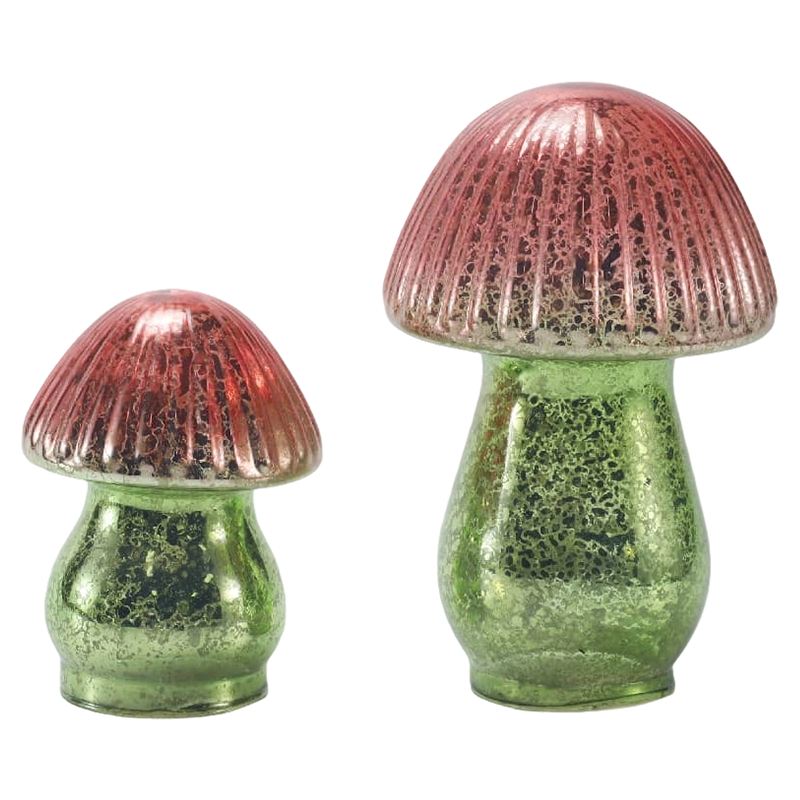 Christmas glass led decoration Handmade Red-Green Gradient Ribbed Mercury Glass Mushroom Ornament with led decoration View More
 -
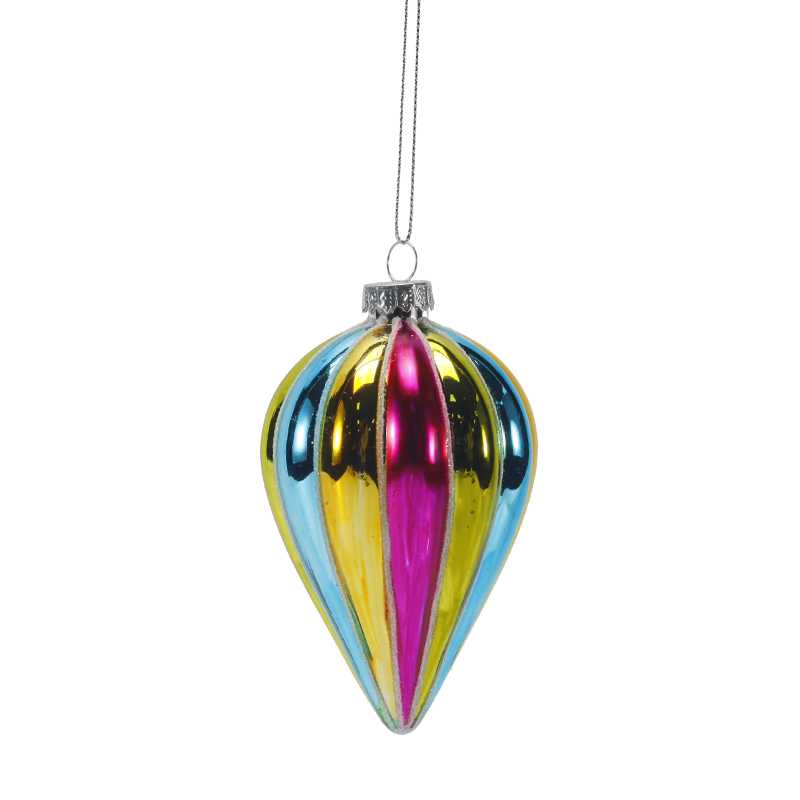 Christmas glass ball 8cm Retro Rainbow Stripe Christmas Glass ball Ornament (Single / Set of 4) View More
 -
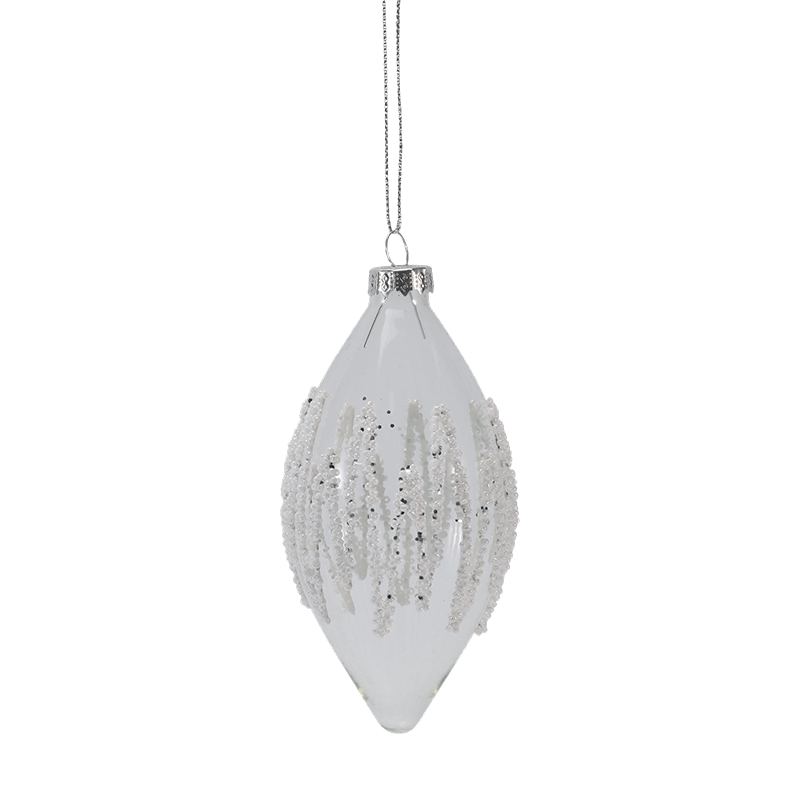 Christmas glass ball 8cm Icicle Beaded Clear Christmas Glass ball Ornament (Single / Set of 3) View More
 -
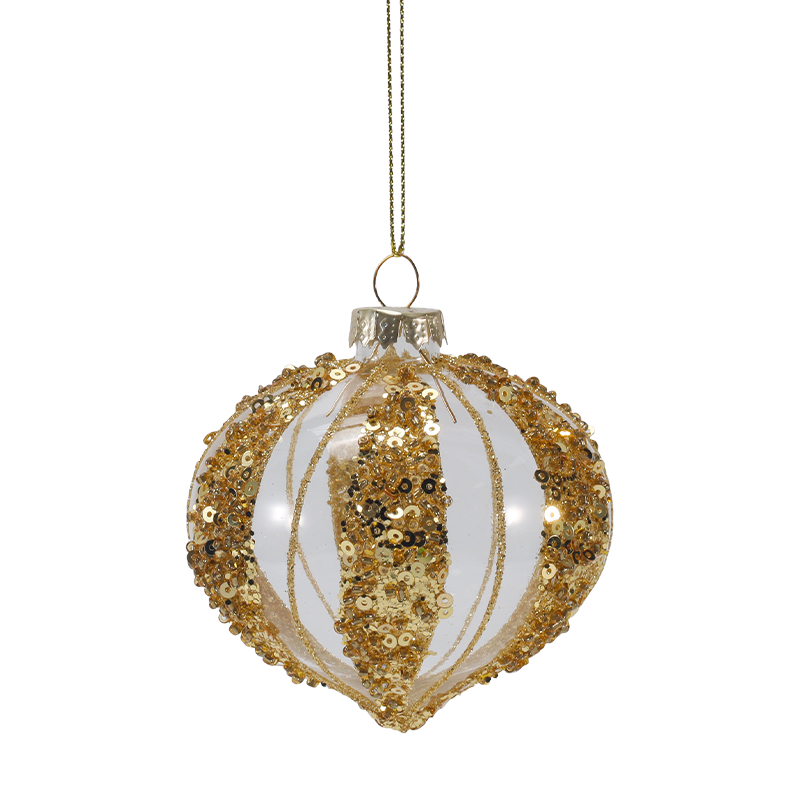 Christmas glass ball 8cm Luxury Gold & Silver Christmas Glass ball Ornament (Single / Set of 4) View More
 -
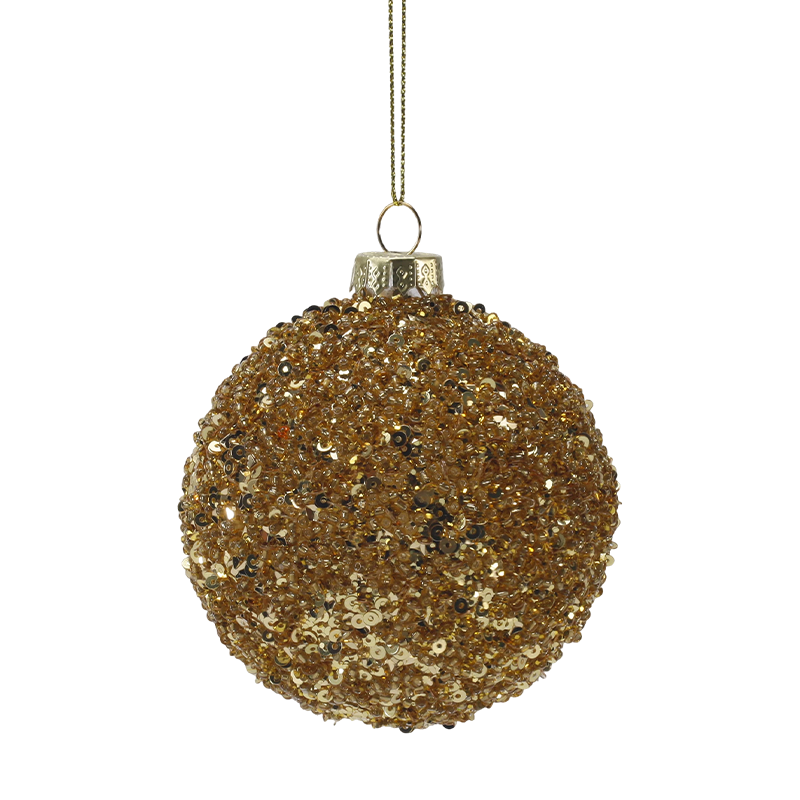 Christmas glass ball 8cm Luxury Gold & Silver Christmas Glass Ornament (Single / Set of 3) View More
 -
News
-
Yangzhou Shuangyang Crafts Co., Ltd. is a professional enterprise specializing in the research and d...
READ MORE -
Yangzhou Shuangyang Crafts Co., Ltd. is a professional enterprise specializing in the research and d...
READ MORE -
Yangzhou Shuangyang Crafts Co., Ltd. is a professional enterprise specializing in the research and d...
READ MORE -
Yangzhou Shuangyang Crafts Co., Ltd. is a professional enterprise specializing in the research and d...
READ MORE -
Yangzhou Shuangyang Crafts Co., Ltd. is a professional enterprise specializing in the research and d...
READ MORE -
Yangzhou Shuangyang Crafts Co., Ltd. is a professional enterprise specializing in the research and d...
READ MORE

Copyright © Yangzhou Shuangyang Crafts Co., Ltd. All Rights Reserved.
