
-
About Us
Why Choose Us?We specialize in holiday decorations that bring celebrations to life. Our core collection features carefully curated products for major holidays, from the sparkling magic of Christmas and the playful spookiness of Halloween to the cheerful freshness of Easter.
 Coming From China, Marketing To The World.
 -
Products
-
News
 Authentic Reliable Quality Naturally Stands Out
Yangzhou Shuangyang Crafts Co., Ltd. is a professional enterprise specializing in the research and development, production, and overseas export of holiday decoration products. Our company was official...
 English
 русский
 Español
Search
Categories
Product Categories
Recommend
Categories
 Company News
Product Categories
Recommend
-
Company News
-
 Company News
 -
 Company News
Jul 13, 2026 - By admin
How to decorate a glass christmas ornament?
Content
- 1 Quick Answer: Five Steps To Decorate A Glass Christmas Ornament
- 2 Understanding Glass Christmas Ornaments Before You Start
- 3 Tools And Materials For Decorating Glass Ornaments
- 4 Step By Step Guide: How To Decorate A Glass Christmas Ornament
- 5 Painting Techniques For Glass Christmas Tree Ornaments
- 6 Choosing Colors And Themes For Glass Christmas Decorations
- 7 How To Make A Sea Glass Christmas Tree Ornament
- 8 How To Make A Glass Christmas Ornament From Scratch
- 9 Creating Mercury Glass Ornaments At Home
- 10 Glass Christmas Baubles Versus Glass Christmas Balls: What Is The Difference
- 11 Comparing Popular Decorating Techniques
- 12 Personalizing Glass Christmas Ornaments As Gifts
- 13 Common Mistakes When Decorating Glass Ornaments
- 14 Caring For And Storing Glass Christmas Decorations
- 15 Sourcing Glass Ornaments In Bulk For Business
- 16 Frequently Asked Questions
- 16.1 What paint works best on a glass christmas ornament
- 16.2 Can glass ornaments be washed after decorating
- 16.3 How long does it take to make a sea glass christmas tree ornament
- 16.4 Are mercury glass ornaments actually made with mercury
- 16.5 Is there a difference between glass christmas baubles and glass christmas balls
- 16.6 What is the easiest technique for a beginner learning how to make a glass christmas ornament
- 16.7 How many coats of varnish does a glass christmas ornament need
- 16.8 Can plastic techniques be used on glass christmas balls
- 16.9 What is the minimum order quantity when buying glass christmas ornaments from a manufacturer
- 17 Final Thoughts On Decorating Glass Christmas Ornaments
Glass Christmas Tree Ornaments, Baubles and Balls, Made By Hand
Direct Answer
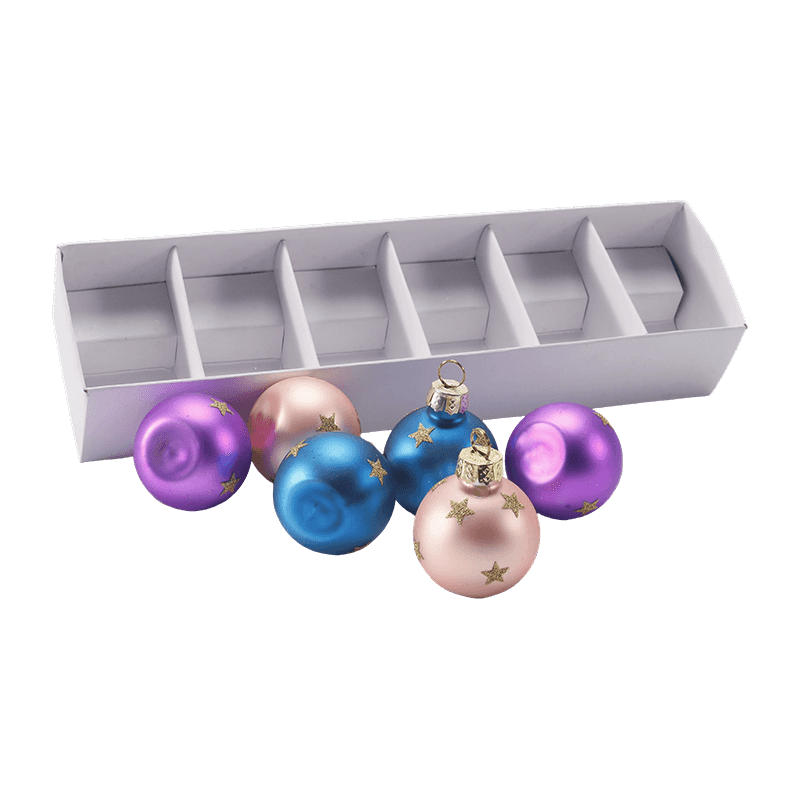
To decorate a glass christmas ornament, wipe the surface clean with a lint free cloth, apply a thin base coat of acrylic or glass paint, add texture with glitter, ribbon, decoupage paper or hand painted details, then finish with a coat of matte or gloss varnish once the ornament is fully dry. This same approach works for round glass christmas balls, teardrop shaped glass christmas baubles, and highly detailed glass christmas tree ornaments used in retail collections.
Below you will find a full walkthrough covering tools, step by step painting methods, a dedicated tutorial on how to make a sea glass christmas tree ornament, a from scratch project for how to make a glass christmas ornament, a section on mercury glass ornaments, and guidance on sourcing glass christmas decorations in bulk from a manufacturer. Whether you are a home crafter decorating a handful of glass christmas balls for your own tree, a small business owner building a gift line, or a buyer comparing glass christmas baubles from different suppliers, every section below is written to be used on its own or read start to finish.
Quick Answer: Five Steps To Decorate A Glass Christmas Ornament
If you only have a few minutes, these five steps summarize the entire process. Each one is expanded later in this guide with photos worth of detail described in words, along with materials lists and timing.
1
Clean The Glass
Remove oils, dust and manufacturing residue so paint and adhesive bond properly to the glass ornament surface.
2
Apply A Base Layer
Add a thin coat of acrylic, enamel or mercury style silvering solution depending on the finish you want.
3
Add Texture And Detail
Layer glitter, snow flock, ribbon, beads or hand painted patterns onto the glass christmas tree ornament.
4
Seal The Design
A varnish or sealant spray locks in glitter and paint so the ornament survives years of holiday storage.
5
Attach A Hanger
Fit a metal cap and ribbon or hook so the finished glass christmas ball hangs evenly on the tree.
Understanding Glass Christmas Ornaments Before You Start
Before picking up a paintbrush, it helps to understand what a glass christmas ornament actually is and how it differs from plastic or resin alternatives. Traditional glass ornaments are made from thin, mouth blown glass, usually coated on the inside with a silver nitrate solution that gives the surface its reflective shine. This inner coating is what allows a plain glass christmas ball to catch candlelight or string lights so effectively, and it is also why glass ornaments feel noticeably lighter than a piece of glass of the same size would suggest.
Most glass christmas tree ornaments sold today fall into one of three thickness categories. Thin blown glass, often under one millimeter thick, is the most fragile but also the most affordable and the most common in decorative craft kits. Medium weight glass, used in premium retail baubles, is more forgiving during hand painting because it resists cracking under gentle pressure. Solid glass ornaments, which are rare and mostly decorative rather than tree worthy due to their weight, are typically reserved for tabletop display pieces.
6-10cm Typical diameter of a standard glass christmas ball
0.4-1mm Wall thickness of most decorative glass ornaments
6-12 Pieces per standard retail box of glass christmas baubles
150+ Years glass ornament making has been an established craft in Europe
Knowing the wall thickness of the glass christmas ornament you are working with changes almost every decision that follows, from how much pressure to use with a paintbrush to whether a piece can safely go through a spray booth. A thin walled ornament from a bargain multipack behaves very differently to a heavier piece designed for a hotel lobby tree, so always test your technique on a spare or lower value piece first.
Glass christmas ornaments trace back to the town of Lauscha in Germany, where glassblowers began shaping hand blown glass christmas balls in the mid eighteen hundreds, originally as a more affordable alternative to fruit and nut decorations that had been used on trees before that. The tradition spread across Europe and eventually to the United States, and the same basic silvering and hand painting methods used by those early craftsmen still form the foundation of the techniques covered in this guide. Understanding that history is not just trivia, since it explains why so many decorating techniques, from mercury glass silvering to fine detail hand painting, are still done largely by hand rather than fully automated, even inside modern factories that produce glass christmas decorations at scale.
It is also worth understanding the difference between an ornament meant for tree display and one meant for tabletop or shelf display, since not every glass christmas ornament needs a hanging cap at all. Finial shaped pieces, footed glass baubles and glass christmas decorations designed to sit inside a bowl or along a mantel often skip the metal cap entirely in favor of a flat or footed base, and the decorating steps in this guide apply equally well to those variations, with only the final hanging step left out.
Tools And Materials For Decorating Glass Ornaments
A tidy workspace and the right supplies make the difference between a glass christmas ornament that looks professionally finished and one that looks rushed. The table below lists the core materials used throughout this guide, along with what each one does and a rough price range so you can budget for a small batch or a large production run.
| Material | Purpose | Approximate Cost |
| Isopropyl alcohol or glass cleaner | Removes oil and residue before paint or adhesive is applied | 3 to 6 dollars per bottle |
| Acrylic craft paint or glass paint | Base coats and hand painted detail on glass christmas ornaments | 2 to 5 dollars per bottle |
| Fine and extra fine glitter | Sparkle finish for glass christmas balls and glass christmas baubles | 3 to 8 dollars per jar |
| Decoupage medium | Adheres paper cutouts, lace or fabric to curved glass surfaces | 6 to 10 dollars per bottle |
| Silvering or mirror finish spray | Creates the reflective look used for mercury glass ornaments | 10 to 18 dollars per can |
| Etching cream | Produces a frosted, sea glass style texture on clear glass | 8 to 14 dollars per jar |
| Fine tip paintbrushes, sizes 0 to 4 | Detail work such as dots, swirls and lettering | 5 to 15 dollars per set |
| Clear matte or gloss varnish | Seals paint, glitter and decoupage so the finish lasts for years | 7 to 12 dollars per can |
| Metal ornament caps and ribbon | Secures the hanging loop on finished glass christmas tree ornaments | 4 to 9 dollars per pack of 20 |
| Foam brush or dauber | Even application of decoupage medium and etching cream | 2 to 4 dollars per pack |
Working in batches of ten to twenty pieces at a time is the most efficient approach, since drying times between coats otherwise become the bottleneck. A rotating craft turntable or an egg carton with holes cut in the lid also gives each glass ornament a stable place to dry without touching wet paint on a neighboring piece.
It is also worth setting aside a small stock of spare metal caps and hanging loops, since these tend to bend or get misplaced far more often than the glass christmas ornament itself gets damaged. Buying caps in a mixed pack of gold, silver and antique brass finishes lets you match the hardware to whichever palette a given batch of glass christmas tree ornaments is using, rather than settling for whatever single finish came with the original blanks.
Step By Step Guide: How To Decorate A Glass Christmas Ornament
This is the full walkthrough for how to decorate a glass christmas ornament from a bare, unfinished blank through to a display ready piece. Follow the steps in order and allow full drying time between each layer, since rushing the process is the most common reason a finish turns out patchy or peels later.
Clean And Dry The Glass Surface
Wipe the entire glass christmas ornament with a cloth dampened in isopropyl alcohol, working carefully around the metal cap. Let it air dry fully for at least ten minutes before touching the surface again.
Remove The Metal Cap
Gently twist off the cap so paint and glitter can reach the neck of the ornament without gumming up the hanging mechanism. Set the cap aside somewhere it will not get lost.
Apply A Thin Base Coat
Using a foam brush or by pouring a small amount of paint inside the ornament and swirling it around, coat the glass evenly. A thin coat dries faster and shows fewer brush marks than a thick one.
Let The Base Coat Cure
Rest the ornament in a stand or egg carton for at least two hours, or overnight for darker colors, before adding any additional layers on top.
Add Pattern, Glitter Or Decoupage
Hand paint dots, swirls or holly patterns, or brush on decoupage medium and press paper cutouts against the curve of the glass christmas ball, smoothing out air bubbles as you go.
Seal With Varnish
Once every layer is completely dry, apply one or two thin coats of matte or gloss varnish to protect the design and lock glitter in place so it does not shed onto the tree.
Reattach The Cap And Add A Hanger
Once the varnish is fully cured, twist the metal cap back into place and loop a ribbon or ornament hook through it so the finished piece hangs straight on a glass christmas tree.
Painting Techniques For Glass Christmas Tree Ornaments
Once the basic process is familiar, most of the visual variety among glass christmas tree ornaments comes down to which painting technique is used. Below are four reliable methods, each suited to a different skill level and finished style.
Dotting And Mandala Work
Using the rounded end of a paintbrush or a specialized dotting tool, small dots of paint are layered in concentric rings around the glass christmas ball to build lace like mandala patterns. This technique needs patience but almost no freehand drawing skill.
Marbling With Nail Polish
A few drops of nail polish in contrasting colors are floated on water, swirled with a toothpick, and the glass ornament is dipped through the pattern. The result is a unique marbled surface on every single piece.
Ombre Fade
Two or three shades of the same paint color are blended while wet, creating a gradient that runs from deep at the base to pale near the cap. This works especially well on tall teardrop glass christmas baubles.
Stencil And Sponge
A adhesive vinyl stencil is applied to the dry base coat, then a sponge dauber presses a contrasting paint through the openings. Snowflakes, stars and holly leaves are popular stencil shapes for glass christmas decorations.
Choosing Colors And Themes For Glass Christmas Decorations
Color choice shapes how a finished glass christmas ornament reads from across a room, and it is worth planning a palette before opening a single bottle of paint. A tree decorated with glass christmas balls in three or four coordinated colors tends to look intentional and cohesive, while a tree mixing a dozen unrelated shades can look cluttered even if each individual ornament is well made.
Traditional Red And Gold
Deep red glass christmas balls paired with gold detailing remain the most requested combination for both home trees and retail collections, and they photograph especially well under warm white string lights.
Frosted Neutral Palette
White, ivory and pale silver glass christmas tree ornaments, often finished with the sea glass or mercury glass techniques described below, suit farmhouse and Scandinavian inspired trees.
Jewel Tone Mix
Emerald, sapphire and amethyst tones on glass christmas baubles create a richer, more formal look that works particularly well for hotel lobbies and event styling.
Custom Brand Colors
Retailers and corporate clients frequently request glass christmas ornaments matched to a specific brand color using a paint code or Pantone reference, which a manufacturer can match consistently across a full production run.
When planning a themed set, decide on your palette and finish combination first, then batch every ornament through the same step at the same time, all base coats together, then all detail work together, then all sealing together, rather than finishing one ornament completely before starting the next. This keeps color and sheen consistent across the whole set of glass christmas decorations.
How To Make A Sea Glass Christmas Tree Ornament
A sea glass finish gives a clear glass ornament the soft, frosted look of beach found glass that has been tumbled smooth by years in salt water. It pairs beautifully with coastal, farmhouse and minimalist tree themes, and it is one of the most requested finishes for handmade glass christmas decorations.
Follow these steps for how to make a sea glass christmas tree ornament using an etching technique that does not require sandblasting equipment.
- Start with a clear glass christmas ball with the cap removed and the surface fully cleaned and dried.
- Brush a thick, even layer of glass etching cream over the entire outer surface, avoiding the neck opening where the cap will sit.
- Leave the cream to sit for the time stated on the product label, usually five to fifteen minutes, without letting it dry out.
- Rinse the ornament thoroughly under lukewarm water until all etching cream residue is gone, then pat dry with a soft cloth.
- For extra texture, mix a small amount of white or pale aqua acrylic paint with water to a thin wash and brush a light coat over the frosted surface, wiping most of it back off so only the recesses hold color.
- Once dry, seal with a matte varnish to protect the frosted texture from fingerprints and moisture.
- Reattach the cap and add jute twine or a simple cotton cord instead of satin ribbon to keep the coastal look consistent.
For a variation, some crafters skip etching cream entirely and instead achieve the sea glass look by tumbling small glass ornament blanks with sand and water in a rock tumbler for several hours, though this method only works well on solid or thick walled glass rather than the thin blown glass used in most glass christmas balls.
How To Make A Glass Christmas Ornament From Scratch
Learning how to make a glass christmas ornament entirely from scratch, rather than decorating a pre made blank, involves an extra decision at the very start: do you shape the glass yourself, or do you begin from a purchased clear blank and treat every layer that follows as the from scratch part of the process. Both paths are valid, and which one suits you depends on the equipment and time you have available.
Glass Blowing Route
Shaping the ornament yourself requires a small furnace or torch capable of softening borosilicate or soda lime glass, a blowpipe, and supervised practice, since molten glass reaches temperatures well above one thousand degrees. Most home crafters access this through a studio class rather than a home setup.
Blank And Build Route
Starting from an inexpensive clear glass christmas ornament blank and building every layer of color, texture and finish yourself is the most practical version of how to make a glass christmas ornament for almost everyone, and it is the method used throughout every technique in this guide.
If you choose the blank and build route, buy blanks without any pre applied interior coating so your paint adheres directly to raw glass, since some cheaper blanks already carry a factory tint that can dull the colors you add later. A pack of twelve plain clear blanks is usually enough for a full afternoon of experimentation across several techniques from this guide.
Creating Mercury Glass Ornaments At Home
Mercury glass ornaments get their name from an antique technique that once used a mercury based solution to coat the inside of glass, producing a heavy, silvered mirror finish. Modern mercury glass ornaments use a silver nitrate or silvering spray solution instead, which is far safer, but the visual result, a slightly aged, antique mirror shine, is very similar.
To recreate this look at home, start with a clear glass christmas ornament and remove the cap. Mix a two part silvering solution according to the product instructions, then pour it inside the ornament and rotate the piece continuously so the solution coats the entire interior surface evenly. Pour out any excess and let the ornament sit upside down over paper towel to drain fully.
Once the silvering layer has cured for the time stated on the product, usually twenty four hours, rinse the interior gently with distilled water and let it dry completely. For an authentic antique finish, dab a small amount of black or dark brown acrylic paint onto a cotton swab and lightly age the exterior in patches, then wipe most of it away so only the recesses and edges retain the darker tone. This distressing step is what separates a convincing mercury glass ornament from a plain silver one.
Glass Christmas Baubles Versus Glass Christmas Balls: What Is The Difference
These two terms cause more confusion than almost any other in the ornament world, so it is worth clearing up before you go shopping for supplies or place a bulk order. In short, the difference is regional rather than physical.
Glass Christmas Baubles
This is the term most commonly used across the United Kingdom, Ireland, Australia and much of Europe. A glass christmas bauble can be round, teardrop, oval or an irregular shape, and the word describes any small decorative glass ornament hung on a tree, regardless of shape.
Glass Christmas Balls
This is the more common term in the United States and Canada. It technically implies a spherical shape, though in everyday use it is applied to the same broad range of hanging glass christmas ornaments as the word bauble, including teardrops and finials.
For a business sourcing products internationally, it is worth listing both terms, glass christmas baubles and glass christmas balls, in product titles and descriptions, since buyers will search using whichever word is standard in their own region and rarely switch between them once they have settled on the phrasing they grew up using.
Comparing Popular Decorating Techniques
Once you have tried a few methods from this guide, it helps to compare them side by side when planning a larger batch of glass christmas decorations, whether that batch is twelve ornaments for your own tree or twelve hundred for a retail order.
| Technique | Difficulty | Time Per Piece | Best Suited For |
| Solid color base coat | Beginner | 15 minutes plus drying | Large batches, uniform color themes |
| Dotting and mandala patterns | Intermediate | 30 to 45 minutes | Boutique gift sets, personalized pieces |
| Marbling with nail polish | Beginner to intermediate | 10 minutes plus drying | One of a kind glass ornaments |
| Sea glass etching | Beginner | 25 minutes plus drying | Coastal and farmhouse tree themes |
| Mercury silvering | Advanced | 40 minutes plus 24 hour cure | Antique and vintage inspired collections |
| Decoupage with paper cutouts | Intermediate | 35 minutes plus drying | Custom branded or themed glass christmas ornament sets |
Personalizing Glass Christmas Ornaments As Gifts
A personalized glass christmas ornament is one of the most requested handmade gifts every holiday season, and nearly every technique already covered in this guide can be adapted to include a name, date or short message. Personalization is also one of the easiest ways for a small craft business to differentiate a basic glass christmas ball from a keepsake customers are willing to pay a premium for.
Paint Pens For Lettering
Oil based paint pens glide smoothly over a cured base coat and are far easier to control for names and dates than a traditional paintbrush, making them the most beginner friendly option for adding text to a glass christmas ornament.
Vinyl Decals And Monograms
A printed or cut vinyl decal applied before the final varnish coat gives crisp, professional looking lettering on glass christmas tree ornaments, and is the method most commonly used for bulk personalized orders since it produces consistent results across many pieces.
Etched Names
Using a small stencil with the etching cream technique described earlier in the sea glass section, a name or year can be permanently frosted into the glass surface, giving a subtler, more understated look than painted lettering.
When personalizing glass christmas balls for a wedding, birth announcement or family keepsake, it is common to include the year alongside a name, since this turns an ordinary glass christmas ornament into a dated milestone piece that a family will often display prominently each season rather than mixing in with the rest of the collection. For a retail or wholesale program, offering a personalization option, even as a paid add on, tends to increase both order value and repeat purchases around the holiday season.
Common Mistakes When Decorating Glass Ornaments
Even experienced crafters run into the same handful of problems when working with glass ornaments. Knowing them ahead of time saves both material and finished pieces, and it is especially useful to review this list before starting a large batch, since a mistake that ruins one ornament out of two is annoying, but the same mistake repeated across two hundred pieces in a production run is far more costly.
Skipped Cleaning
Paint and decoupage medium applied over factory oils or fingerprints will bead up or peel within days. Always clean the glass christmas ornament first, even if it looks spotless.
Thick Base Coats
A heavy first coat traps moisture underneath, leading to a tacky finish that never fully cures and can crack the paint layer once the ornament is handled.
Rushed Drying Time
Moving to the glitter or varnish stage before the previous layer is dry causes smearing and dulls the reflective quality that makes glass christmas balls attractive under lights.
No Test Piece
New techniques should always be trialed on a spare or low value blank first, since some paints and etching creams react differently depending on the glass composition of a given batch of ornaments.
Overloaded Hangers
Adding heavy embellishments such as beads or thick fabric without reinforcing the cap can cause a finished glass christmas tree ornament to detach and fall once hung.
Wrong Storage Temperature
Leaving finished glass christmas ornaments in an unheated shed or a hot attic between seasons can cause paint layers to become brittle, leading to fine surface cracks that only appear months later when the ornament is unpacked again.
Ignoring Ventilation
Etching cream, silvering solution and spray varnish all release fumes that need a well ventilated space or a mask, and skipping this step is both a safety risk and a common reason for uneven, cloudy finishes on glass ornaments.
Caring For And Storing Glass Christmas Decorations
A well decorated glass christmas ornament can last for decades if it is stored properly between seasons. Since glass is both fragile and, once painted, prone to scuffing, storage deserves as much attention as the decorating process itself. Many families pass down the same glass christmas tree ornaments for two or three generations, and in almost every case the difference between a piece that survives that long and one that does not comes down to how carefully it was packed away each January rather than how it was originally made.
Before packing anything away, it is worth doing a quick inventory of your glass christmas decorations, noting any pieces that need a touch up coat of varnish or a replacement hanger before next season. Doing this while the tree is still up, rather than waiting until the boxes are already sealed, makes it far more likely that small repairs actually get done before the ornaments are needed again.
Use Individual Compartments
A padded ornament storage box with a separate slot for each piece prevents glass christmas balls from knocking against one another while in storage.
Wrap Hand Painted Pieces
Tissue paper or a soft cloth around any hand painted glass christmas ornament protects delicate surface texture from friction against neighboring pieces.
Control Temperature
Store glass christmas tree ornaments somewhere with stable temperature and humidity, since attics and garages that swing between extremes can cause the metal cap to loosen over time.
Clean Gently Before Storing
A soft, dry brush removes tinsel fragments and dust before packing away glass christmas decorations, preventing buildup that can scratch the surface next season.
Sourcing Glass Ornaments In Bulk For Business
Home crafting techniques scale well for personal trees and small gift batches, but retailers, hotel groups, event planners and wholesalers usually need consistent, factory produced glass christmas ornaments in the hundreds or thousands of units, with color and finish matched precisely across every piece. At that scale, partnering with an established glass ornament manufacturer is far more practical than hand decorating each item.
Yangzhou Shuangyang Crafts Co., Ltd
Yangzhou Shuangyang Crafts Co., Ltd is a manufacturer experienced in producing glass christmas ornaments, glass christmas baubles, glass christmas balls and other glass christmas decorations for wholesale and private label customers. Businesses looking to apply any of the finishes described in this guide, including painted patterns, sea glass frosting and mercury glass style silvering, across a large production run can work directly with a factory such as this to achieve consistent results at volume, along with custom colors, custom packaging and controlled quality across every box.
Working with an established glass ornament factory typically means access to a wider range of blank shapes than most craft stores stock, including finials, teardrops, indented reflector styles and oversized statement pieces, alongside the standard round glass christmas ball. It also generally means the option to request sample pieces before committing to a full production order, which is especially useful for a retailer testing a new color palette or a new finish, such as a mercury glass or sea glass style line, ahead of a holiday season.
For a small business or independent retailer, ordering pre decorated glass christmas ornaments in bulk from a manufacturer such as Yangzhou Shuangyang Crafts Co., Ltd can also be combined with a smaller batch of hand finished pieces made using the techniques in this guide, giving a product line both a consistent core collection and a limited, handmade accent range.
Frequently Asked Questions
What paint works best on a glass christmas ornament
Acrylic craft paint and dedicated glass paint both work well, though glass paint tends to grip the smooth surface a little better without a primer. Always apply thin coats rather than one thick layer.
Can glass ornaments be washed after decorating
Once fully sealed with varnish, a hand painted glass christmas ornament can be wiped gently with a barely damp cloth, but it should never be submerged or scrubbed, since water can seep under the sealant over time.
How long does it take to make a sea glass christmas tree ornament
The etching itself only takes five to fifteen minutes of contact time, but including cleaning, rinsing, drying and sealing, plan for around an hour of total working time per piece.
Are mercury glass ornaments actually made with mercury
No. Modern mercury glass ornaments use a safe silver nitrate or commercial silvering solution rather than actual mercury. The name refers to the historic antique style the finish imitates, not the ingredients used today.
Is there a difference between glass christmas baubles and glass christmas balls
The difference is regional wording rather than a difference in the product itself. Baubles is more common in British English, while balls is more common in American English, and both describe the same category of hanging glass christmas ornaments.
What is the easiest technique for a beginner learning how to make a glass christmas ornament
A single solid base coat followed by glitter and a varnish seal is the fastest and most forgiving starting point, since it involves no freehand painting and only two drying stages.
How many coats of varnish does a glass christmas ornament need
One thin coat is usually enough to protect glitter and paint from light handling, but two thin coats, applied several hours apart, give a noticeably more durable finish for glass christmas ornaments that will be packed and unpacked every year.
Can plastic techniques be used on glass christmas balls
Some can, such as decoupage and acrylic painting, but techniques designed for plastic ornaments, including certain heat set finishes, are not safe on glass christmas balls since the glass can crack under direct heat that a plastic ornament would tolerate.
What is the minimum order quantity when buying glass christmas ornaments from a manufacturer
This varies by supplier and by how customized the order is, but manufacturers such as Yangzhou Shuangyang Crafts Co., Ltd can typically advise on minimum order quantities for both standard glass christmas baubles and fully custom private label glass christmas decorations once a buyer shares their target quantity and design.
Final Thoughts On Decorating Glass Christmas Ornaments
Whether you are decorating a single glass christmas ornament for a family tree, working through a full set of glass christmas tree ornaments as a holiday project, or sourcing glass christmas decorations at scale for a retail season, the same core principles apply: clean thoroughly, work in thin layers, respect drying times, and seal the finished piece properly. From a simple painted base coat through to a detailed mercury glass ornament or a coastal inspired sea glass finish, every technique in this guide builds from that same foundation.
Start small if this is your first attempt, decorating three or four glass christmas balls using the basic step by step method before moving on to sea glass etching, mercury silvering or personalized lettering. Once those fundamentals feel comfortable, expanding into a themed collection, a gift line, or a bulk order placed with a manufacturer such as Yangzhou Shuangyang Crafts Co., Ltd becomes a far more predictable process, since every later step in this guide simply builds on the same handful of skills covered at the very start.
You may also like…
-
 Christmas glass led decoration Vintage Iridescent Hand-Blown Christmas glass led decoration Tabletop View More
 -
 Other material decorations 10×40cm Rotating Striped Christmas Glass Tree 2-Piece Set Tabletop Decor View More
 -
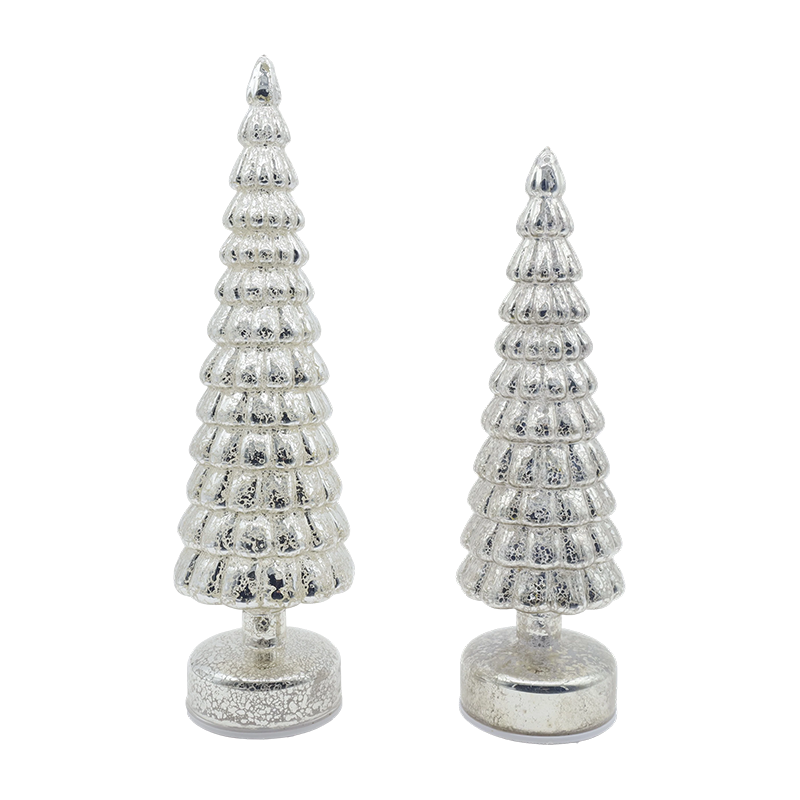 Christmas Glass tree with led light 10×38 & 10×33cm LED Light Up Rotating Christmas Glass Tree Tabletop Ornaments View More
 -
-
-
News
-
Yangzhou Shuangyang Crafts Co., Ltd. is a professional enterprise specializing in the research and d...
READ MORE -
Yangzhou Shuangyang Crafts Co., Ltd. is a professional enterprise specializing in the research and d...
READ MORE -
Yangzhou Shuangyang Crafts Co., Ltd. is a professional enterprise specializing in the research and d...
READ MORE -
Yangzhou Shuangyang Crafts Co., Ltd. is a professional enterprise specializing in the research and d...
READ MORE -
Yangzhou Shuangyang Crafts Co., Ltd. is a professional enterprise specializing in the research and d...
READ MORE -
Yangzhou Shuangyang Crafts Co., Ltd. is a professional enterprise specializing in the research and d...
READ MORE

Copyright © Yangzhou Shuangyang Crafts Co., Ltd. All Rights Reserved.
