
-
About Us
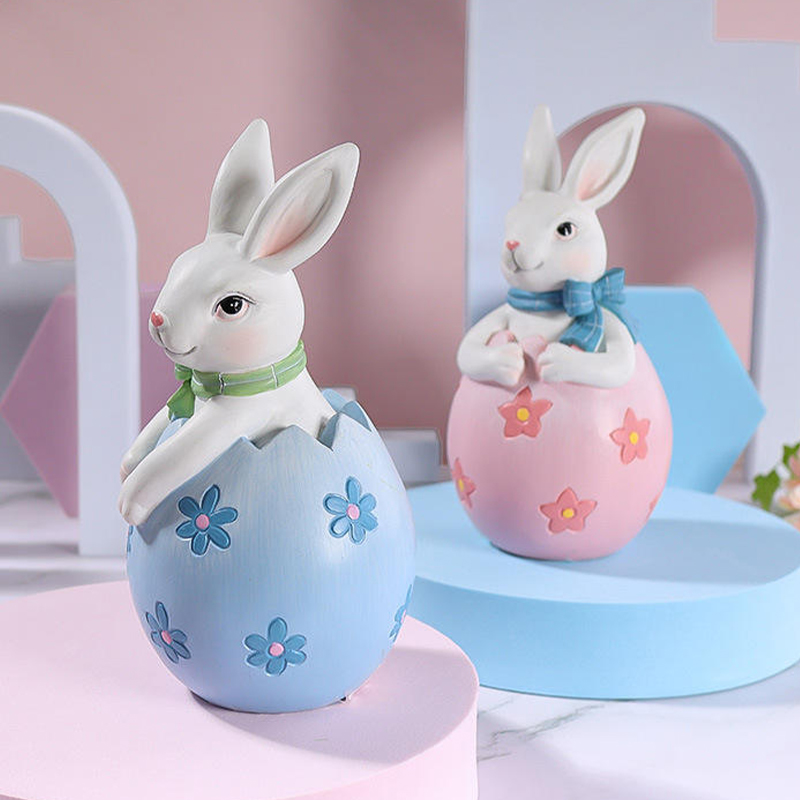
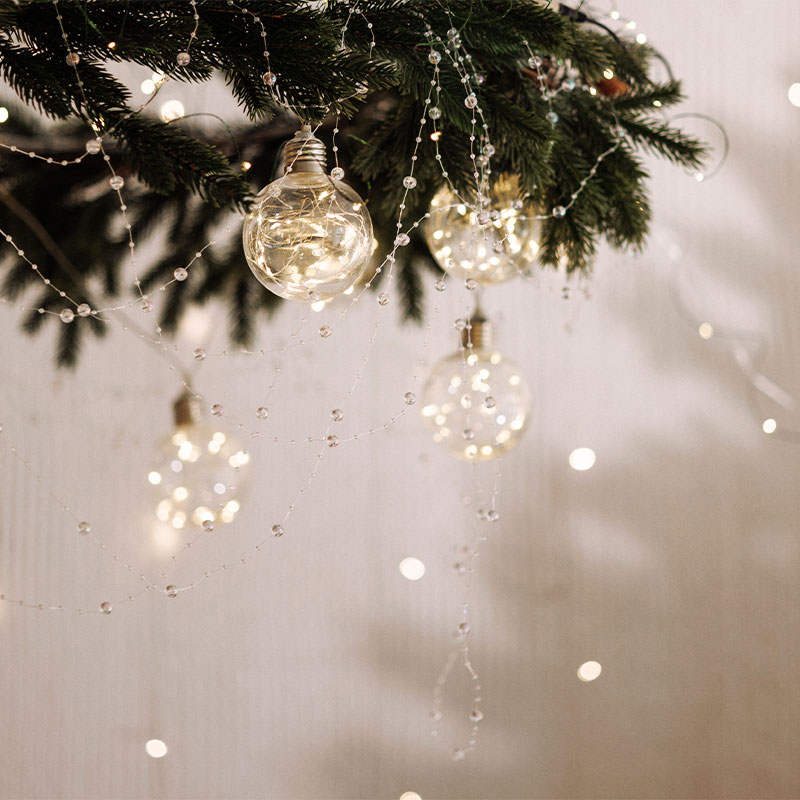
Why Choose Us?We specialize in holiday decorations that bring celebrations to life. Our core collection features carefully curated products for major holidays, from the sparkling magic of Christmas and the playful spookiness of Halloween to the cheerful freshness of Easter.
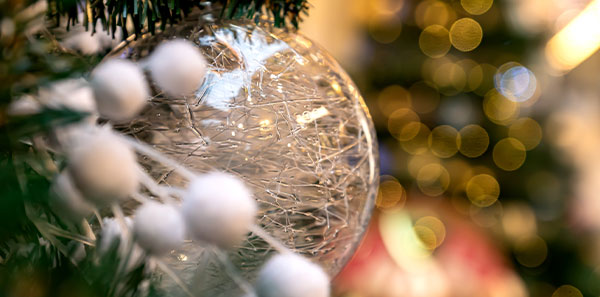 Coming From China, Marketing To The World.
 -
Products
-
News
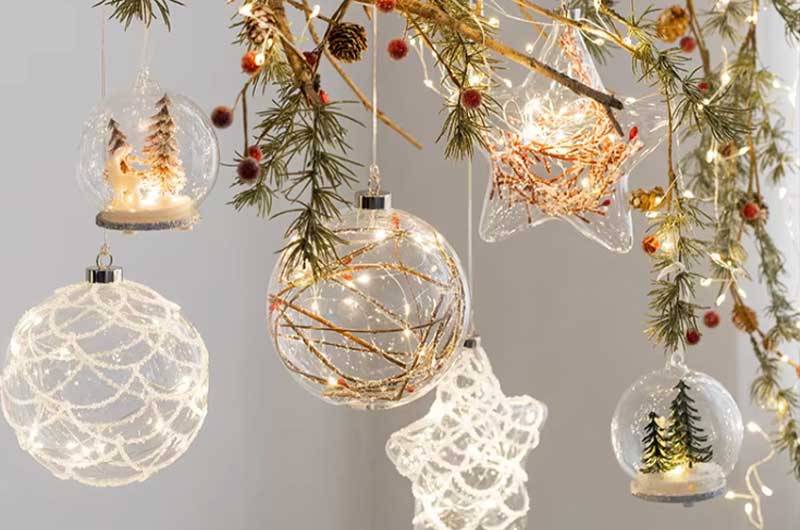 Authentic Reliable Quality Naturally Stands Out
Yangzhou Shuangyang Crafts Co., Ltd. is a professional enterprise specializing in the research and development, production, and overseas export of holiday decoration products. Our company was official...
 English
 русский
 Español
Search
Categories
Product Categories
Recommend
Categories
 Company News
Product Categories
Recommend
-
Company News
-
 Company News
 -
 Company News
Jun 15, 2026 - By admin
How Many Ornaments Do You Need for a Christmas Glass Tree? A Decorating Guide
Content
- 1 Quick Answer: How Many Ornaments Per Foot of Tree
- 2 Ornament Count by Tree Height: A Reference Table
- 3 What Size Ornaments for a 4ft Tree?
- 4 Understanding the Parts of a Christmas Tree for Better Placement
- 5 Christmas Ornament Shape Names and How to Mix Them
- 6 Christmas Globes: The Foundation of Any Glass Tree Display
- 7 What Are Christmas Ornaments Made Of?
- 8 Size of Standard Christmas Ornament: An Actual Ornament Size Chart
- 9 Examples of Ornaments by Tree Zone
- 10 Final Tips for a Balanced Christmas Glass Tree
Quick Answer: How Many Ornaments Per Foot of Tree
For a well-balanced look on a Christmas glass tree, the general rule is 12 to 18 ornaments per foot of tree height. So a 4ft tree needs roughly 50 to 70 ornaments, a 6ft tree needs 75 to 110 ornaments, and a 7.5ft tree needs 100 to 140 ornaments. This range accounts for a mix of sizes — large focal ornaments, mid-sized fillers, and small accent pieces — distributed evenly across the branches.
Glass trees, in particular, tend to have slimmer branch profiles than full-flocked artificial trees, so ornaments should lean slightly smaller and lighter to avoid weighing down delicate branch tips. Below, we'll break down exactly how to plan your ornament count by tree size, shape, material, and placement so your glass tree looks intentional rather than cluttered or sparse.
Ornament Count by Tree Height: A Reference Table
Use the table below as your starting point. These numbers assume a moderately full decorating style — adjust down by about 20% for a minimalist look, or up by 20% for a maximalist, fully-loaded tree.
| Tree Height | Total Ornaments | Large (3-4 in) | Medium (2-2.5 in) | Small (1-1.5 in) |
|---|---|---|---|---|
| 4 ft | 50 - 70 | 8 - 10 | 20 - 28 | 22 - 32 |
| 5 ft | 65 - 90 | 10 - 14 | 25 - 36 | 30 - 40 |
| 6 ft | 75 - 110 | 12 - 18 | 30 - 44 | 33 - 48 |
| 7.5 ft | 100 - 140 | 16 - 22 | 40 - 56 | 44 - 62 |
What Size Ornaments for a 4ft Tree?
A 4ft tree is one of the most common sizes for tabletop and small-space displays, and it's also where sizing mistakes happen most often — ornaments designed for a 7ft tree will look oversized and overwhelm the branches. For what size ornaments for a 4ft tree, the sweet spot is keeping your largest pieces under 3 inches in diameter, with most of your collection falling between 1 and 2.5 inches.
Why Scale Matters More on Smaller Trees
On a 4ft tree, the branch length from trunk to tip might only be 10-12 inches at the widest point. A 4-inch ornament hanging at the tip can visually consume nearly a third of that branch's reach, making the tree feel crowded with far fewer pieces. Sticking to the 1-2.5 inch range allows you to comfortably fit 50-70 ornaments without any single piece dominating the silhouette.
Understanding the Parts of a Christmas Tree for Better Placement
Knowing the parts of a christmas tree helps you distribute ornaments more strategically rather than placing them randomly. The main structural zones are:
- Trunk/Center Pole - the central support; on glass trees this is often a slim metal or acrylic rod
- Branch Tiers - horizontal layers of branches stacked from base to top
- Branch Tips - the outermost points where most hanging ornaments are placed
- Interior/Negative Space - the gaps between tiers, ideal for nestling lights or smaller pieces
- Tree Topper Zone - the top point, reserved for a single statement piece like a star or finial
Distribution Strategy by Zone
A reliable approach is to place your large ornaments toward the lower two-thirds of the tree (where branches are sturdier and the visual weight feels grounded), reserve medium ornaments for the middle tiers, and use small ornaments near the top where branches are thinner and on a glass tree, more visually delicate.
Christmas Ornament Shape Names and How to Mix Them
Variety in shape is just as important as variety in size. Common christmas ornament shape names include:
- Ball/Globe - the classic round shape, available in glossy, matte, and glitter finishes
- Teardrop/Finial - a tapered, pointed shape often used near the top of the tree
- Bell - traditional bell shapes, often paired with ribbon
- Icicle - thin, elongated drips that mimic dripping ice
- Pinecone - textured ornaments resembling natural pinecones
- Figural - character or object-shaped ornaments (animals, fruits, snowflakes)
The 60-30-10 Shape Rule
A simple ratio that works well visually: 60% balls/globes as your base layer, 30% secondary shapes like teardrops, bells, or icicles, and 10% figural or novelty pieces as conversation-starting accents. For a 6ft tree with 90 ornaments, that breaks down to roughly 54 balls, 27 secondary shapes, and 9 figural pieces.
Christmas Globes: The Foundation of Any Glass Tree Display
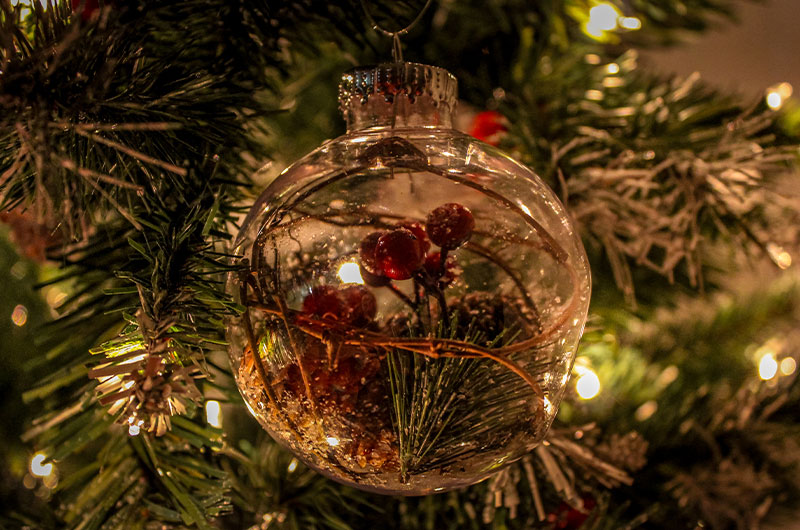
Christmas globes — round, often hollow glass or plastic ornaments — make up the bulk of most ornament collections, and for good reason. Their uniform shape reflects light evenly, which is especially important on a Christmas glass tree where the goal is often to enhance a sparkling, reflective aesthetic.
Globe Finishes to Consider
- Glossy/Shiny - maximizes light reflection, best for glass trees with minimal branches
- Matte - softens the look, useful for balancing out an otherwise very shiny tree
- Glitter/Sequin - adds texture and catches light at multiple angles
- Mercury Glass - vintage-style with a mottled, antique-mirror finish
For a cohesive look, aim to have at least 40-50% of your globes share the same finish family (e.g., all glossy or all matte), with the remainder used as accents to add depth.
What Are Christmas Ornaments Made Of?
Material affects not just appearance but also weight — a critical factor for glass trees, whose branches are often thinner and more rigid than flocked artificial branches. So, what are christmas ornaments made of? The most common materials are:
| Material | Typical Weight (per piece) | Best Suited For |
|---|---|---|
| Blown Glass | 10 - 30 g | Branch tips, fragile-feel displays |
| Plastic/Shatterproof | 5 - 20 g | Households with kids or pets |
| Wood | 15 - 40 g | Rustic, natural-themed trees |
| Ceramic | 30 - 80 g | Lower/sturdier branches only |
| Metal/Tin | 20 - 50 g | Accent or vintage-style pieces |
Wooden Christmas Ball Ornaments: A Sturdy Alternative
Wooden christmas ball ornaments are a popular choice for trees that get handled often, since they resist breaking and have a warm, matte texture that contrasts nicely with shiny glass globes. They're slightly heavier than blown glass (typically 15-40g vs. 10-30g), so they're best placed on the sturdier lower and mid-tier branches rather than delicate upper tips.
Size of Standard Christmas Ornament: An Actual Ornament Size Chart
When shopping, ornament sizes are usually listed by diameter (for round shapes) or by overall length (for elongated shapes). Understanding the size of standard christmas ornament options makes it much easier to plan your total count accurately. Below is an actual ornament size chart covering the most commonly sold sizes:
| Size Category | Diameter/Length | Recommended Tree Height |
|---|---|---|
| Mini | 0.75 - 1 in | 2-4 ft (tabletop trees) |
| Small | 1.5 - 2 in | 4-5 ft |
| Standard/Medium | 2.5 - 3 in | 5-6.5 ft |
| Large | 3.5 - 4 in | 6.5-7.5 ft |
| Jumbo/Statement | 5 - 6 in | 7.5 ft+ (used sparingly) |
Elongated Christmas Ornaments and How to Size Them
Unlike round globes, elongated christmas ornaments — such as icicles, finials, and teardrops — are measured by total length rather than diameter, and they tend to read visually "longer" than their measurement suggests because they draw the eye vertically. As a guideline, an elongated ornament should be no longer than 1.5 times the diameter of a round ornament you'd place in the same spot. For example, if a branch comfortably holds a 2.5-inch ball, it can typically support an elongated piece up to about 3.5-4 inches long without looking out of proportion.
Examples of Ornaments by Tree Zone
To make planning easier, here are concrete examples of ornaments grouped by where they tend to work best:
Lower Tier (Sturdy Branches)
- 3-4 in glossy glass globes
- Ceramic figural ornaments
- Wooden christmas ball ornaments in natural finishes
Middle Tier (Balanced Mix)
- 2-2.5 in matte and glitter globes
- Bell-shaped ornaments with ribbon
- Small figural pieces (animals, gifts, snowflakes)
Upper Tier and Tips (Delicate Branches)
- 1-1.5 in mini globes
- Lightweight elongated icicle ornaments
- Small glass teardrops or finials
Final Tips for a Balanced Christmas Glass Tree
Before you start hanging, lay out your ornaments by size and shape on a table so you can see your full collection at a glance — this makes it much easier to spot gaps (too few large pieces, too many of one shape) before they end up on the tree. Start with the largest ornaments first, placing them deep into the tree near the trunk for depth, then layer medium and small pieces outward toward the branch tips. Finally, step back every 15-20 ornaments to check overall balance — it's far easier to adjust distribution early than to redo a fully decorated Christmas glass tree.
You may also like…
-
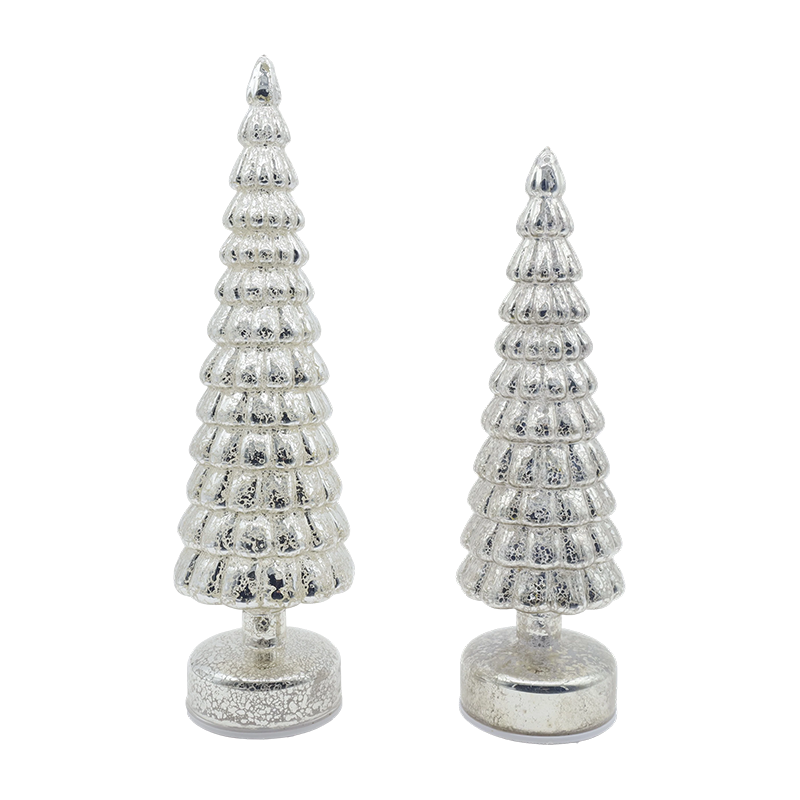
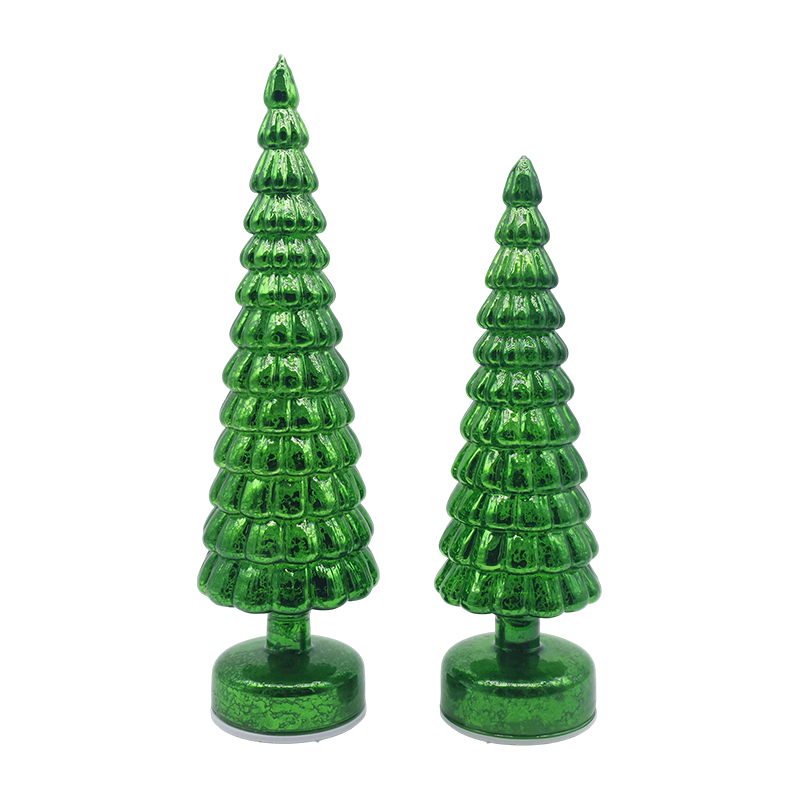 Christmas Glass tree with led light 10×38 & 10×33cm LED Light Up Rotating Christmas Glass Tree Tabletop Ornaments View More
 -
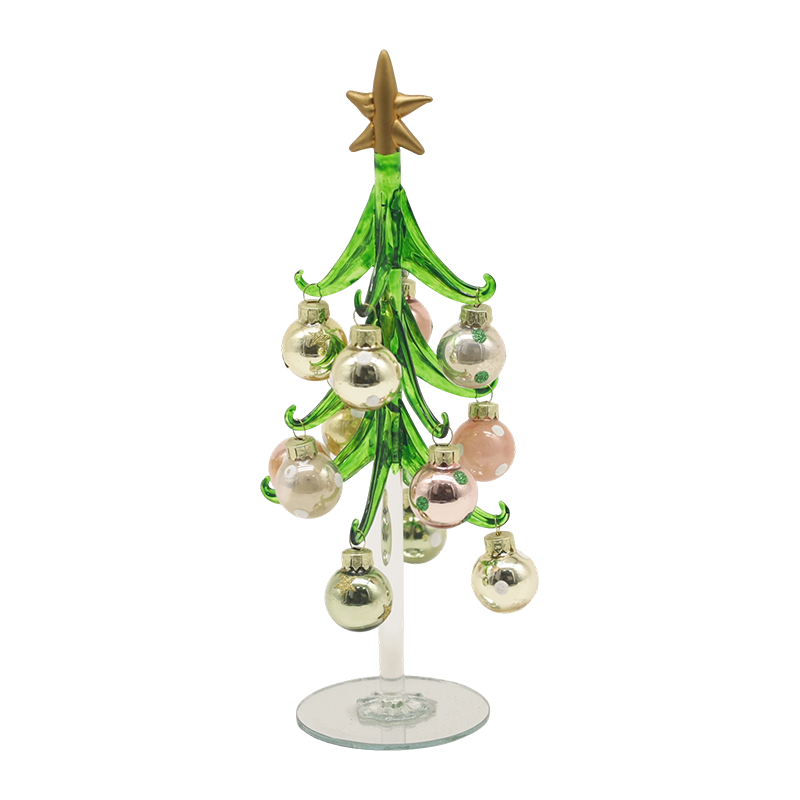
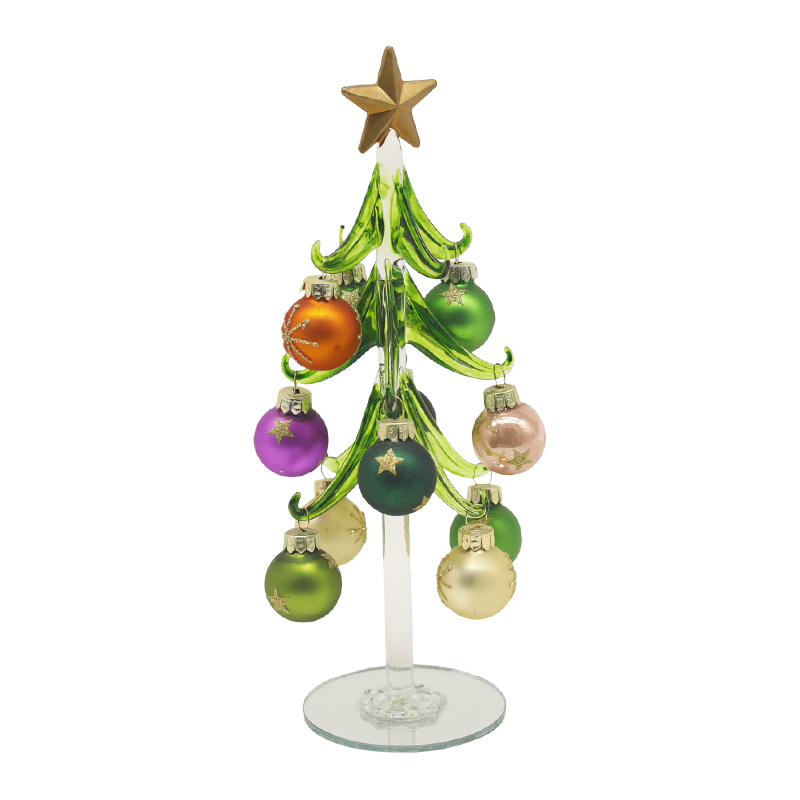 Christmas Glass tree with glass ball 10×25 cm & 10×30 cm Festive Glass Christmas Tree Adorned with Decorative Balls Options View More
 -
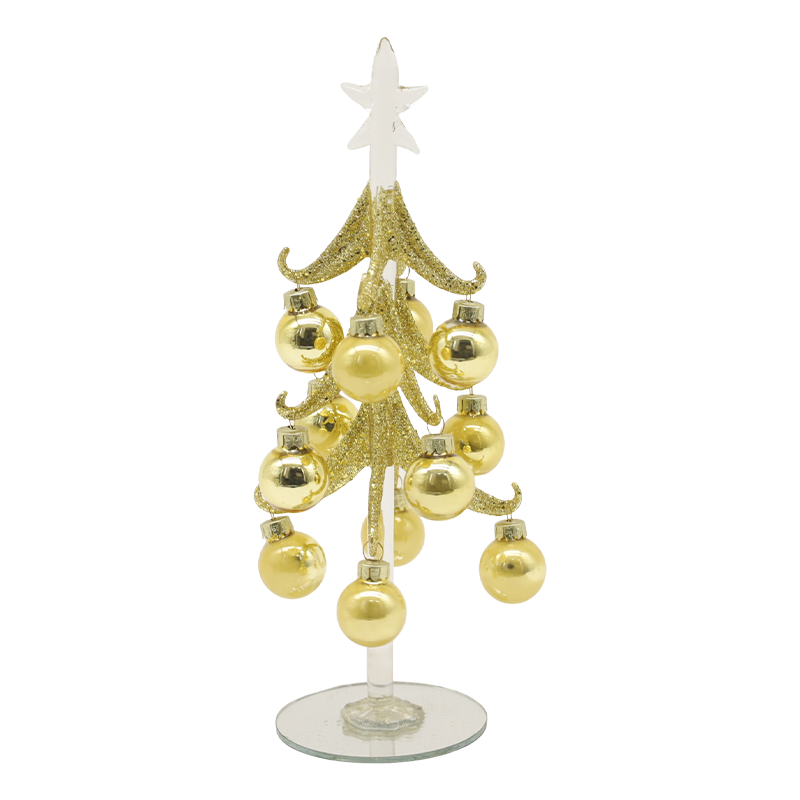
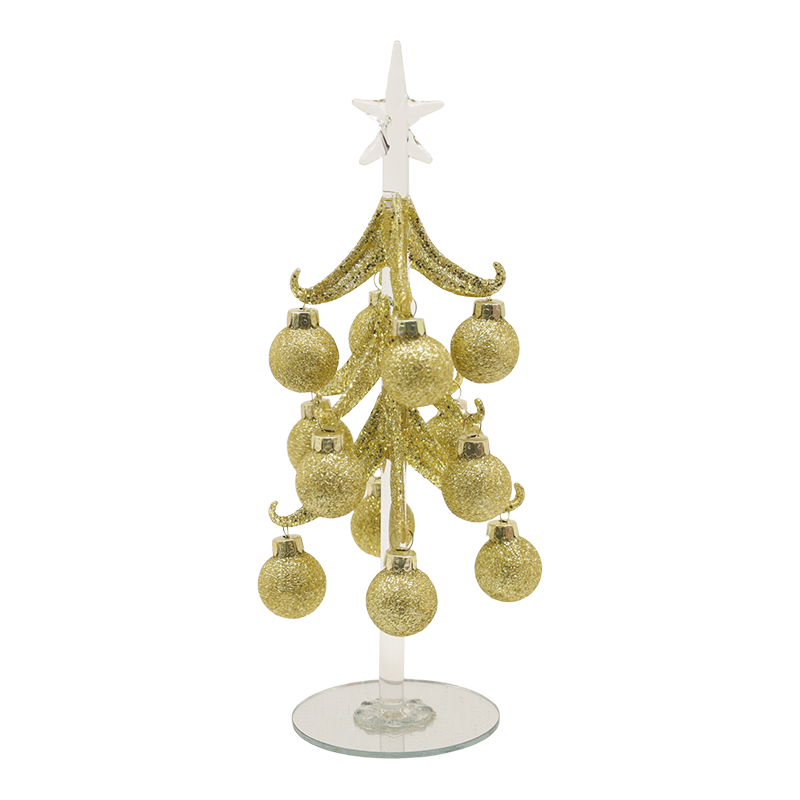 Christmas Glass tree with glass ball 10×25 cm & 10×30 cm Festive Gold Glass Christmas Tree Adorned with Decorative Balls Options View More
 -
-
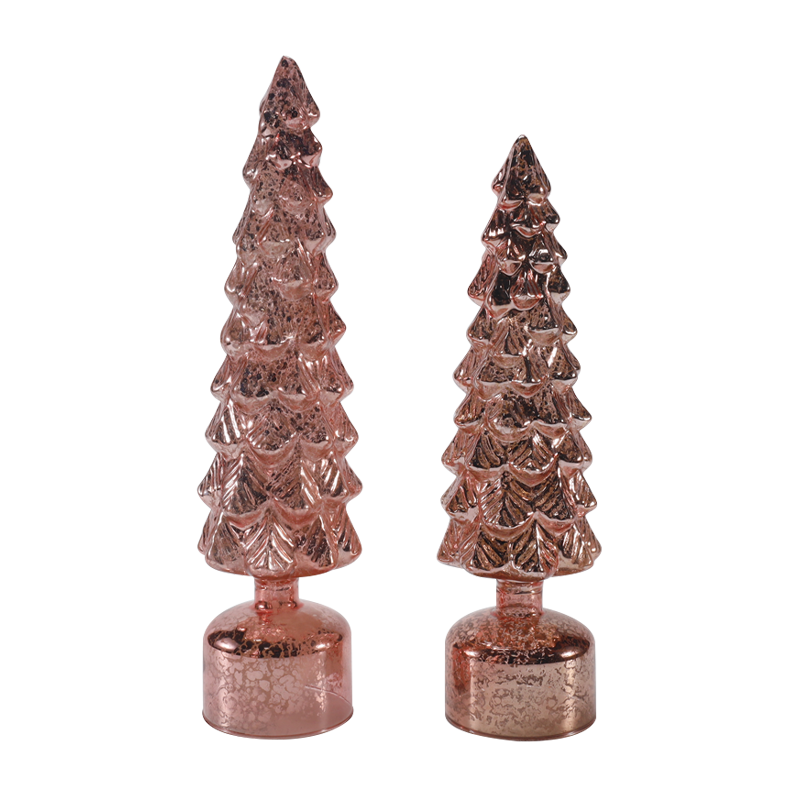
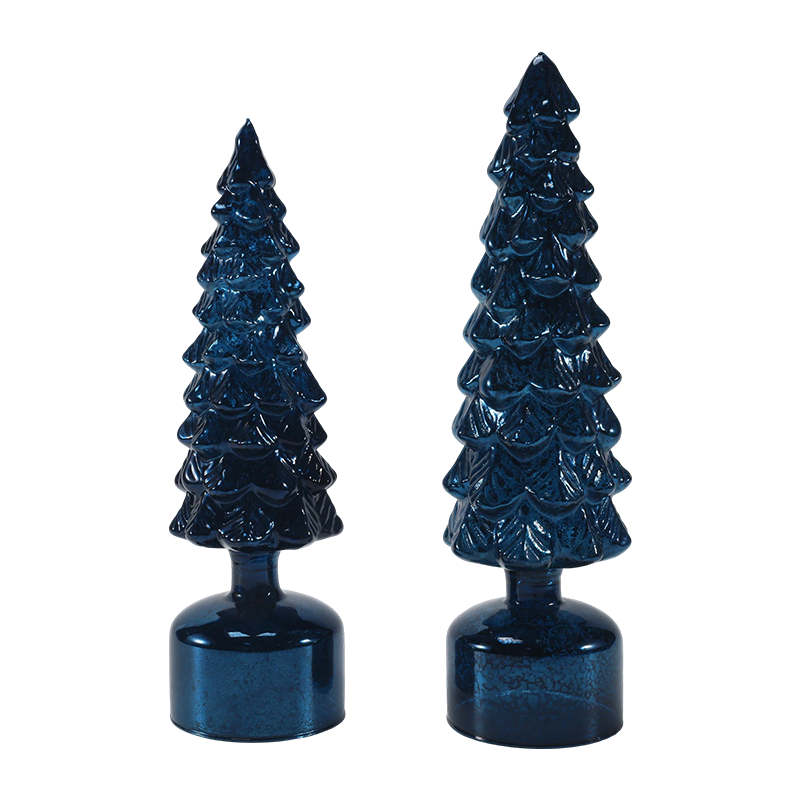 Other material decorations 10×25 & 10×28cm LED Light Up Rotating Christmas Glass Tree set Festive Ornaments View More
 -
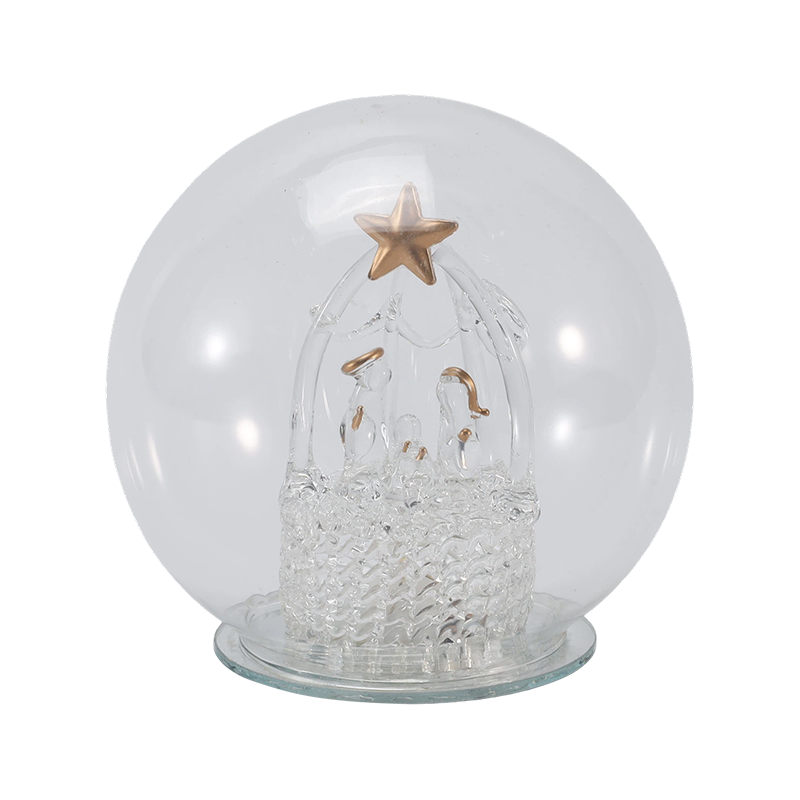
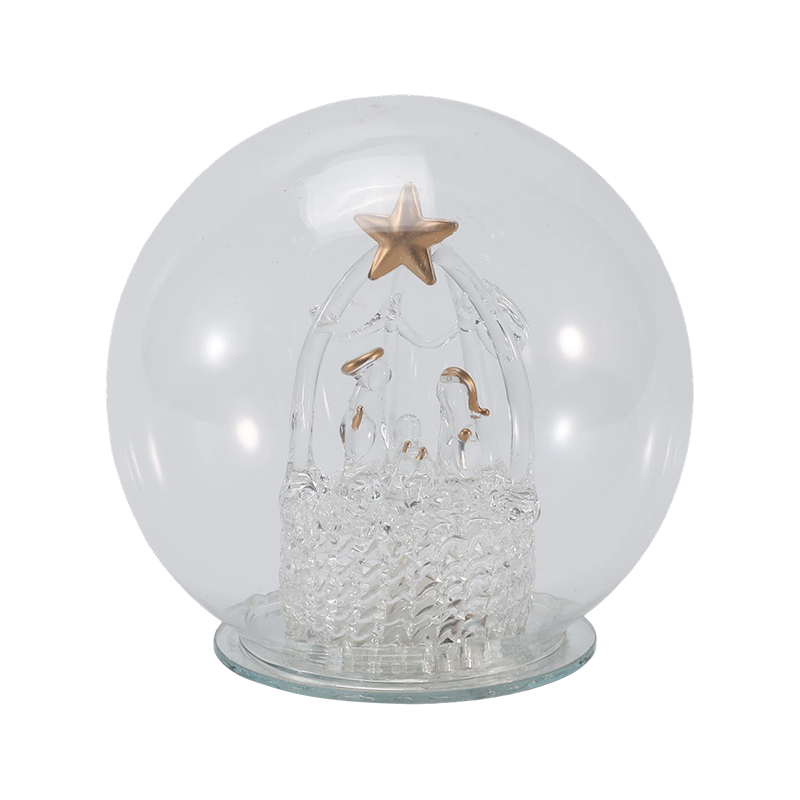 Christmas glass led decoration Festive Glass Cloche & Globe Light (Angel / Nativity / Christmas Tree / Deer Forest Styles) View More
News
-
Yangzhou Shuangyang Crafts Co., Ltd. is a professional enterprise specializing in the research and d...
READ MORE -
Yangzhou Shuangyang Crafts Co., Ltd. is a professional enterprise specializing in the research and d...
READ MORE -
Yangzhou Shuangyang Crafts Co., Ltd. is a professional enterprise specializing in the research and d...
READ MORE -
Yangzhou Shuangyang Crafts Co., Ltd. is a professional enterprise specializing in the research and d...
READ MORE -
Yangzhou Shuangyang Crafts Co., Ltd. is a professional enterprise specializing in the research and d...
READ MORE -
Yangzhou Shuangyang Crafts Co., Ltd. is a professional enterprise specializing in the research and d...
READ MORE

Copyright © Yangzhou Shuangyang Crafts Co., Ltd. All Rights Reserved.
