
-
About Us
Why Choose Us?We specialize in holiday decorations that bring celebrations to life. Our core collection features carefully curated products for major holidays, from the sparkling magic of Christmas and the playful spookiness of Halloween to the cheerful freshness of Easter.
 Coming From China, Marketing To The World.
 -
Products
-
News
 Authentic Reliable Quality Naturally Stands Out
Yangzhou Shuangyang Crafts Co., Ltd. is a professional enterprise specializing in the research and development, production, and overseas export of holiday decoration products. Our company was official...
 English
 русский
 Español
Search
Categories
Product Categories
Recommend
Categories
 Company News
Product Categories
Recommend
-
Company News
-
 Company News
 -
 Company News
Jun 22, 2026 - By admin
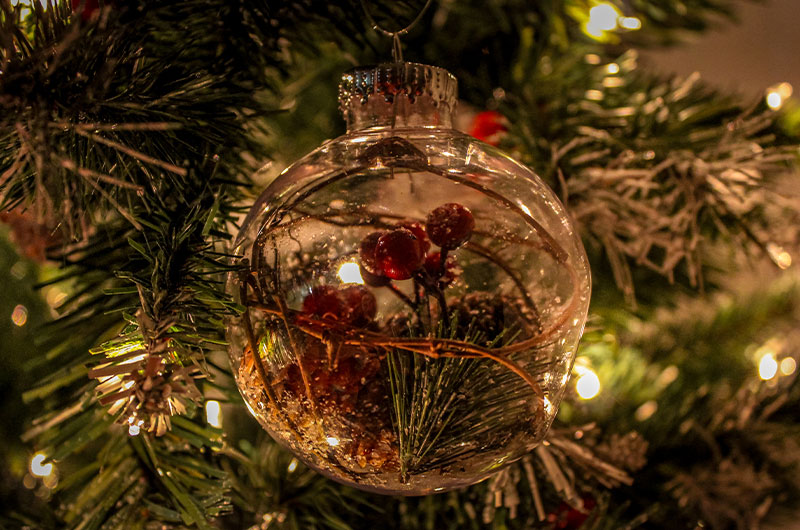
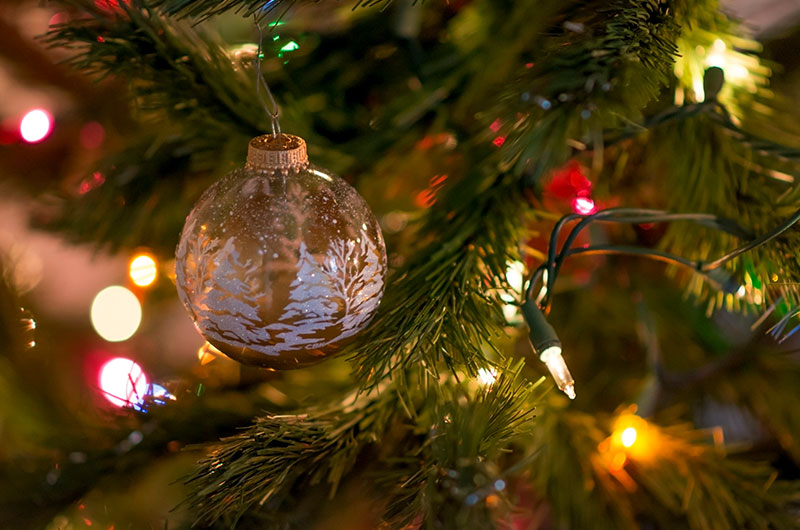
Christmas Glass Ornaments: Types, History, and How to Choose the Best Ones
Content
- 1 A Brief History of Christmas Glass Ornaments
- 2 Christmas Tree Shape Ornaments: The Most Popular Styles
- 3 Christmas Ornament Shape Names: A Complete Glossary
- 4 Christmas Tree Ornaments Names by Theme and Material
- 5 Christmas Ornament Sizes: What's Considered Standard
- 6 Ornament Colors and What They Traditionally Symbolize
- 7 Glass Ornaments vs. Felt Ball and Wood Alternatives
- 8 Small Heart Ornaments and Other Sentimental Glass Pieces
- 9 How to Choose the Best Christmas Glass Ornaments
- 10 How Many Ornaments Do You Need? A Sizing Formula
- 11 Christmas Decoration Names: Where Ornaments Fit in the Bigger Picture
- 12 International Terminology: Ornamenten and Regional Naming
- 13 Caring for and Storing Glass Ornaments
- 14 Final Thoughts
- 15 How Glass Ornaments Are Made: From Furnace to Finished Piece
- 16 Vintage and Antique Glass Ornaments: What Makes Them Valuable
- 17 Size of Ornaments: Why Proportion Matters More Than You'd Think
- 18 Common Search Terms and Spelling Variations
- 19 Standard Size Christmas Ornament Sets: What's Included
- 20 Building a Themed Collection: Practical Combinations
- 21 Frequently Asked Questions About Christmas Glass Ornaments
The best Christmas glass ornaments are mouth-blown or kiln-formed glass pieces, typically 2 to 4 inches in diameter, finished with a silvered interior coating and hand-painted or glittered exterior detail. Quality is determined by three factors: glass thickness (look for at least 0.5mm), a secure metal cap with a sturdy loop, and an even, bubble-free finish. The most popular shapes are round balls, teardrops, and figural designs like stars, icicles, and animals, while the most collectible pieces come from European makers in Germany, Poland, and the Czech Republic using century-old glassblowing techniques.
A Brief History of Christmas Glass Ornaments
Glass ornaments originated in the Thuringian town of Lauscha, Germany, in the 1840s, where local glassblowers began crafting hand-blown glass balls as an affordable alternative to the fruits, nuts, and candles traditionally used to decorate trees. By the 1880s, Lauscha was exporting glass ornaments worldwide, with F.W. Woolworth famously importing them to the United States and helping spark the modern glass ornament industry.
German craftsmen used a technique that remains largely unchanged today: molten glass is blown into molds, then the interior is coated with a silver nitrate solution to create that signature reflective shine, before being hand-painted with intricate designs. This same Lauscha tradition is why many premium glass ornament brands — Christopher Radko, Inge-Glas, and Old World Christmas among them — still source production from German and Eastern European workshops.
From Tradition to Mass Production
Mechanized glass-blowing emerged in the early 20th century, allowing companies to produce ornaments at a fraction of the cost of hand-blown pieces. Today's market reflects this split: mass-produced glass balls sold in boxed sets for everyday decorating, and artisan, individually crafted pieces marketed to collectors — both legitimate categories, but with very different price points and quality expectations.
Christmas Tree Shape Ornaments: The Most Popular Styles
Christmas tree shape ornaments fall into a handful of recognizable categories, and knowing the proper terminology makes shopping — and matching a cohesive tree theme — far easier. The four foundational ornament shapes are the ball (or globe), the teardrop (or finial), the icicle, and the disc (or reflector), with countless figural variations built around them.
| Shape Name | Description | Best Placement |
|---|---|---|
| Ball / Globe | Classic round sphere | Evenly distributed, base layer |
| Teardrop / Finial | Elongated, pointed bottom | Mid-to-upper branches |
| Icicle | Thin, tapered, dripping shape | Outer branch tips |
| Disc / Reflector | Flat, indented round shape | Catches and reflects tree lights |
| Figural | Animals, stars, fruit, characters | Focal points, eye-level branches |
Designers generally recommend layering 60–70% balls as a neutral base, then adding teardrops and figural pieces as accents — a ratio that keeps a tree looking intentional rather than overcrowded.
Christmas Ornament Shape Names: A Complete Glossary
Beyond the basic four, the broader vocabulary of Christmas ornament shape names covers dozens of recognizable forms used across glass, wood, felt, and other materials. Knowing these ornament shapes names helps when searching online catalogs or describing a specific piece to a seller.
- Ball/Sphere: the most common round ornament, sold in matte, glossy, or glittered finishes
- Star: often used as a tree topper or scattered as an accent piece
- Bell: a traditional shape symbolizing celebration and announcement
- Heart: commonly used for sentimental or anniversary-themed pieces
- Pinecone: a nature-inspired shape popular in rustic or woodland themes
- Snowflake: intricate, often laser-cut or etched glass detail
- Acorn: a smaller figural shape often paired with pinecones
- Onion/Finial: a bulbous top tapering to a point, named for its resemblance to an onion dome
Christmas Tree Ornaments Names by Theme and Material
Beyond pure shape, Christmas tree ornaments names are also organized by theme and material category, which is how most retailers and collectors actually browse and sort their collections. The major naming categories include figural ornaments, keepsake ornaments, novelty ornaments, and personalized ornaments.
Figural Ornaments
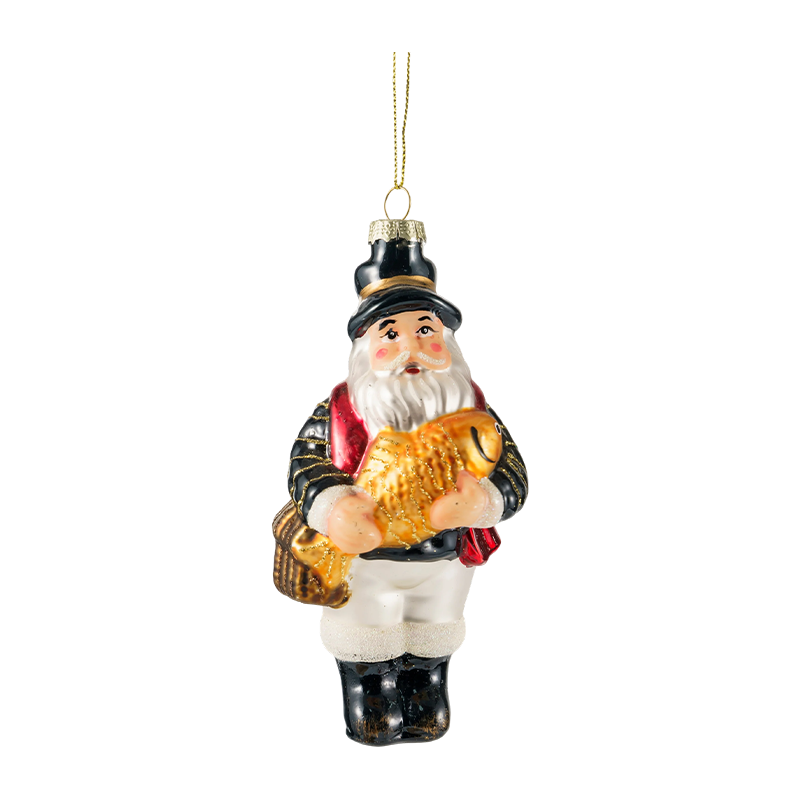
These depict recognizable objects, animals, or characters — Santa figures, nutcrackers, birds, and woodland animals are among the most popular. Glass figural ornaments are typically more expensive than plain balls because they require additional mold work and hand-finishing.
Keepsake and Personalized Ornaments
This category includes milestone ornaments (baby's first Christmas, new home, engagement) and a popular subset: a teacher ornament with student names, often customized each school year as an end-of-term gift. These are typically produced in glass, ceramic, or wood with space for hand-lettering or laser engraving.
Novelty Ornaments
Wrapped candy Christmas ornaments fall into this category — glass or resin pieces designed to mimic peppermints, ribbon candy, or gumdrops, often with twisted cellophane-style ends molded directly into the glass. These add a playful, colorful pop to a tree and are especially popular for "candy land" or sweets-themed holiday decor.
Christmas Ornament Sizes: What's Considered Standard
Christmas ornament sizes follow fairly consistent industry conventions, which matters when you're trying to keep proportions balanced across a tree. The standard size of Christmas ornament balls is 3 inches (about 7.5cm) in diameter, which is why most boxed ornament sets default to this measurement — it scales well on trees from 6 to 9 feet tall.
| Size Category | Diameter | Best Tree Height |
|---|---|---|
| Miniature | 1–2 inches | Tabletop trees, 2–4 ft |
| Small | 2–2.5 inches | 4–6 ft |
| Standard | 3 inches | 6–9 ft |
| Large | 4–6 inches | 9+ ft or focal accents |
The average size of Christmas ornament collections sold in retail multi-packs tends to mix 2-inch and 3-inch balls, giving depth and visual texture rather than a flat, uniform look. For a designer-style tree, professional decorators typically combine three sizes — miniature, standard, and one oversized "statement" ornament per few branches — to mimic the depth seen in department store displays.
Ornament Colors and What They Traditionally Symbolize
Ornaments colors aren't chosen arbitrarily — many carry traditional meaning rooted in religious and cultural symbolism, even though modern decorating often prioritizes aesthetics over tradition. Red and green remain the most common combination, but gold, silver, white, and blue each carry distinct associations.
- Red: symbolizes the blood of Christ in religious tradition; broadly represents warmth, joy, and celebration
- Green: represents evergreen life and renewal, tied to the fir tree itself
- Gold: symbolizes light, royalty, and the gifts of the Magi
- Silver/White: represents purity, snow, and winter
- Blue: often associated with Hanukkah decor or a more contemporary, "winter wonderland" palette
Modern interior design has expanded this palette considerably — blush pink, sage green, and even black ornaments have become popular in recent years for trees that match broader home color schemes rather than strict traditional red-and-green.
Glass Ornaments vs. Felt Ball and Wood Alternatives
While this guide focuses on glass, it's worth understanding how glass compares to two of the most popular alternative materials: felt ball ornaments and mini wood ornaments — both of which often get mixed onto the same tree as glass pieces for textural variety. Felt ball ornaments are softer, child-safe, and budget-friendly, while mini wood ornaments offer a rustic, natural-material aesthetic that pairs well with farmhouse or Scandinavian holiday themes.
| Material | Durability | Best For |
|---|---|---|
| Glass | Fragile, long-lasting if cared for | Formal, traditional, collector trees |
| Felt ball | Very durable, washable | Households with kids or pets |
| Wood | Sturdy, lightweight | Rustic, natural, minimalist themes |
Many designers blend all three: glass balls as the visual centerpiece, felt ball ornaments tucked into inner branches for texture, and mini wood ornaments as small accent pieces near the trunk — a layering trick that adds depth without overwhelming the eye.
Small Heart Ornaments and Other Sentimental Glass Pieces
Small heart ornaments are among the best-selling sentimental glass pieces, typically gifted to mark anniversaries, new relationships, or as a remembrance piece for a loved one. These are usually produced in the 2 to 2.5-inch range — small enough to nestle among larger balls without dominating the branch, but substantial enough to read clearly as a heart shape from a few feet away.
Beyond hearts, other sentimental shapes commonly produced in glass include doves (peace and remembrance), angels (faith and protection), and houses (new home celebrations) — all following the same general small-to-medium sizing convention so they can be mixed throughout a tree as meaningful accents rather than standalone statement pieces.
How to Choose the Best Christmas Glass Ornaments
Selecting quality glass ornaments comes down to inspecting a handful of physical details before buying — details that separate a $3 mass-produced ball from a $25 heirloom-quality piece. The single most reliable indicator of quality is the cap and hanging loop construction, since this is the component most likely to fail and cause an ornament to fall and shatter.
- Check the cap: a quality ornament has a metal cap crimped tightly with no gaps, not a flimsy press-fit plastic piece
- Inspect the glass thickness: hold it up to light — premium glass will feel substantial, not paper-thin or overly light
- Look for an even silvered interior: a properly silvered ornament reflects light evenly; cloudy or patchy interiors indicate lower-grade manufacturing
- Examine paint and glitter application: hand-painted details should have clean lines; mass-produced pieces often show paint bleed or uneven glitter coverage
- Confirm the hanging loop is fused, not glued: a soldered or molded metal loop will hold significantly more weight than a glued-on string loop
Matching Ornaments to Your Tree Style
Before buying, decide on a guiding theme — traditional red and gold, Scandinavian white and natural wood, or a modern monochrome palette. Designers generally recommend limiting a tree to two or three core colors plus one metallic accent (gold or silver) to avoid a visually chaotic result, regardless of how many individual ornament shapes or sizes are used.
How Many Ornaments Do You Need? A Sizing Formula
A common mistake is under- or over-buying ornaments relative to tree size. The general industry rule of thumb is roughly 12 to 15 ornaments per vertical foot of tree, meaning a 7-foot tree typically needs 84 to 105 ornaments for full, balanced coverage — including a mix of all sizes discussed above.
| Tree Height | Recommended Ornament Count |
|---|---|
| 4 ft | 48–60 |
| 6 ft | 72–90 |
| 7 ft | 84–105 |
| 9 ft | 108–135 |
Christmas Decoration Names: Where Ornaments Fit in the Bigger Picture
Glass ornaments are just one category within the broader vocabulary of Christmas decoration names. Understanding where ornaments fit relative to other decor categories helps when planning a complete, coordinated holiday look rather than shopping piece by piece without a unifying plan.
- Tree topper: the crowning piece, typically a star or angel
- Garland: draped strands of greenery, beads, or tinsel
- Tree skirt: fabric base covering the tree stand
- Ornaments: individual hanging decorative pieces (the focus of this guide)
- Picks/sprays: decorative stems tucked into branches for added texture
- Tree lights: string lighting, typically applied before ornaments
A well-decorated tree generally layers these elements in order: lights first, then garland, then larger ornaments and picks, followed by smaller accent ornaments, and finally the topper — a sequence professional decorators follow to avoid having to remove and redo layers.
International Terminology: Ornamenten and Regional Naming
If you're shopping from European retailers or researching ornament history, you may encounter the Dutch and German term ornamenten, which simply translates to "ornaments" and is commonly used across Dutch-language holiday decor catalogs and German Christmas markets. Given that Lauscha, Germany is the historical birthplace of glass ornament manufacturing, it's no surprise that European terminology and craftsmanship standards remain closely tied to today's premium glass ornament market — many of the highest-rated brands still reference their German or Central European heritage directly in product descriptions.
Caring for and Storing Glass Ornaments
Proper storage is the single biggest factor in how long a glass ornament collection lasts. Compartmentalized storage boxes with individual fabric or foam dividers reduce breakage rates dramatically compared to loosely wrapping ornaments in newspaper or stacking them in a single bin.
- Store ornaments in a climate-controlled space — extreme temperature swings can cause glass to become brittle over time
- Wrap hand-painted pieces individually in acid-free tissue to prevent paint transfer between ornaments
- Keep heavier figural ornaments separated from lightweight balls to prevent crushing during storage
- Check metal caps annually for rust or loosening, especially on older heirloom pieces
Final Thoughts
Christmas glass ornaments remain one of the most enduring holiday traditions precisely because they balance craftsmanship, symbolism, and personal sentiment in a single small object. Whether you're drawn to the historic Lauscha-style hand-blown ball, a sentimental small heart ornament, or a playful wrapped candy Christmas ornament, understanding shape names, standard sizing, and quality markers ensures every piece you add earns its place on the tree — and, with proper care, lasts for decades rather than a single season.
How Glass Ornaments Are Made: From Furnace to Finished Piece
Understanding the manufacturing process explains why glass ornaments vary so widely in price and quality. Traditional mouth-blown ornaments start as a glass tube heated over an open flame until molten, then blown by hand into a clay or metal mold — a process that takes a skilled artisan only seconds per piece but represents years of trained technique to execute consistently without bubbles, thin spots, or uneven walls.
Once formed and cooled, the ornament's interior is coated with a silver nitrate solution, which is what gives quality glass ornaments their reflective, mirror-like shine rather than a dull, translucent appearance. The exterior is then dipped or hand-painted in lacquer color, and decorative elements — glitter, stenciled patterns, or hand-applied trim — are added in a separate finishing stage. Machine-made ornaments follow a similar sequence but use automated blowing and spraying equipment, which dramatically increases output but sacrifices the slight asymmetry and texture variation that collectors prize in hand-blown pieces.
Spotting Hand-Blown vs. Machine-Made Glass
Hand-blown ornaments typically show a small pontil mark — a slightly rough or puckered spot where the glass was separated from the blowing rod — usually near the cap. Machine-made ornaments are almost perfectly symmetrical with no such mark, and their glass walls tend to be more uniform in thickness throughout.
Vintage and Antique Glass Ornaments: What Makes Them Valuable
Collectors actively seek out vintage Christmas glass ornaments, and values can range dramatically based on age, maker, and condition. Pre-World War II German ornaments, particularly those with intricate wire wrapping or unsilvered "indent" interiors, can sell for $20 to $200 per piece depending on rarity and condition, while common mid-century American-made ornaments from the 1950s and 60s typically sell in the $5 to $25 range.
| Era | Typical Origin | Approximate Value Range |
|---|---|---|
| Pre-1940s | Germany (Lauscha) | $20–$200+ |
| 1950s–1960s | USA, Western Germany | $5–$25 |
| 1970s–1980s | Eastern Europe, Japan | $3–$15 |
| Modern artisan | Poland, Germany | $10–$60 |
Condition matters enormously for resale value — chipped paint, rusted caps, or a clouded silver interior can cut a piece's value by 50% or more, which is why proper storage (covered later in this guide) is just as important for collectors as it is for everyday decorators.
Size of Ornaments: Why Proportion Matters More Than You'd Think
The size of ornaments you choose has a bigger visual impact than color or shape alone, because mismatched proportions are one of the most common reasons a decorated tree looks "off" even when individual pieces are beautiful. A general design principle is to scale ornament size to branch density — denser, fuller trees can support larger statement pieces, while sparser, thinner trees look better with a higher ratio of small and miniature ornaments that don't visually overwhelm the available branch structure.
When people search for the size of christmas ornaments appropriate for a specific space, the answer usually comes down to viewing distance: a tabletop tree viewed up close benefits from miniature 1–2 inch pieces with fine detail, while a large foyer tree viewed from across a room reads better with bolder 4–6 inch ornaments that remain visible at a distance.
Common Search Terms and Spelling Variations
When researching glass ornaments online, you'll likely encounter several spelling variations and informal terms. "Ornimate" is a common misspelling of "ornament" that frequently appears in search queries, while "ornamenten" is the correct Dutch and German plural form used on European retail sites, as noted earlier. Knowing these variants is useful primarily for search purposes — when buying from international sellers or browsing translated product listings, recognizing that ornamenten simply means "ornaments" prevents confusion when comparing prices or styles across borders.
Sticking to standardized English terminology — shape name, size category, and material — when searching or filtering online marketplaces will generally produce more accurate and relevant results than relying on misspelled or foreign-language search terms alone.
Standard Size Christmas Ornament Sets: What's Included
Most retail boxed sets are built around a standard size christmas ornament format to keep packaging, shipping, and shelf display consistent across brands. A typical 12-count or 24-count boxed set will include 3-inch glass balls as the majority, supplemented with a handful of teardrops or finials in the same general size range, ensuring the whole set hangs at a visually consistent scale without any single ornament looking out of place.
Specialty and boutique retailers increasingly offer mixed-size sets specifically designed around the "scale layering" principle mentioned earlier — typically combining a few 4-inch focal pieces, a dozen 3-inch standard balls, and a dozen 2-inch accent pieces in one coordinated box, saving shoppers from having to purchase and match multiple separate sets themselves.
Building a Themed Collection: Practical Combinations
Once you understand shapes, sizes, and colors, the final step is assembling a cohesive collection rather than buying ornaments piecemeal. Three of the most popular and reliably attractive theme combinations are the Traditional, the Scandinavian Minimalist, and the Candy Land palette.
- Traditional: red and gold glass balls, teardrops, and figural Santa or nutcracker pieces, mixed with classic glass icicles
- Scandinavian Minimalist: white and clear glass balls paired with mini wood ornaments and felt ball ornaments in cream and natural tones
- Candy Land: wrapped candy Christmas ornaments in bright pink, red, and white, paired with oversized glass balls in candy-cane stripes
- Heirloom Sentimental: a base of neutral glass balls accented with small heart ornaments, milestone pieces, and a teacher ornament with student names displayed prominently at eye level
Picking one theme and building toward it gradually — rather than buying everything in a single shopping trip — tends to produce a more cohesive, intentional-looking tree over time, and allows budget to be spread across multiple holiday seasons rather than concentrated in one large purchase.
Frequently Asked Questions About Christmas Glass Ornaments
What is the average size of Christmas ornament for a standard 7-foot tree?
For a standard 7-foot tree, most ornaments should fall in the 2.5 to 3-inch range, with a smaller number of 4 to 5-inch statement pieces used sparingly as focal accents rather than as the majority of the collection.
Are glass ornaments safe around pets and young children?
Glass ornaments carry a real breakage and injury risk around curious pets or toddlers, so many households place glass pieces higher on the tree and reserve lower branches for felt ball ornaments, mini wood ornaments, or unbreakable plastic alternatives.
How do I clean glass ornaments without damaging the finish?
Use a soft, dry microfiber cloth rather than water or cleaning solutions, which can strip hand-painted detail or glitter finish. For dusty storage buildup, a gentle puff of compressed air is safer than wiping directly on delicate painted surfaces.
You may also like…
-
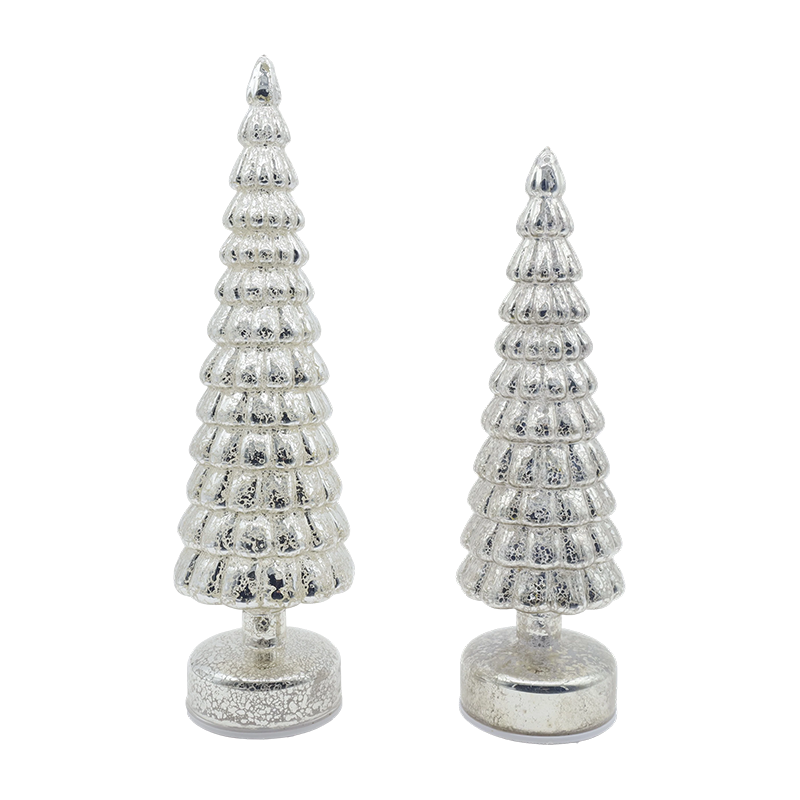
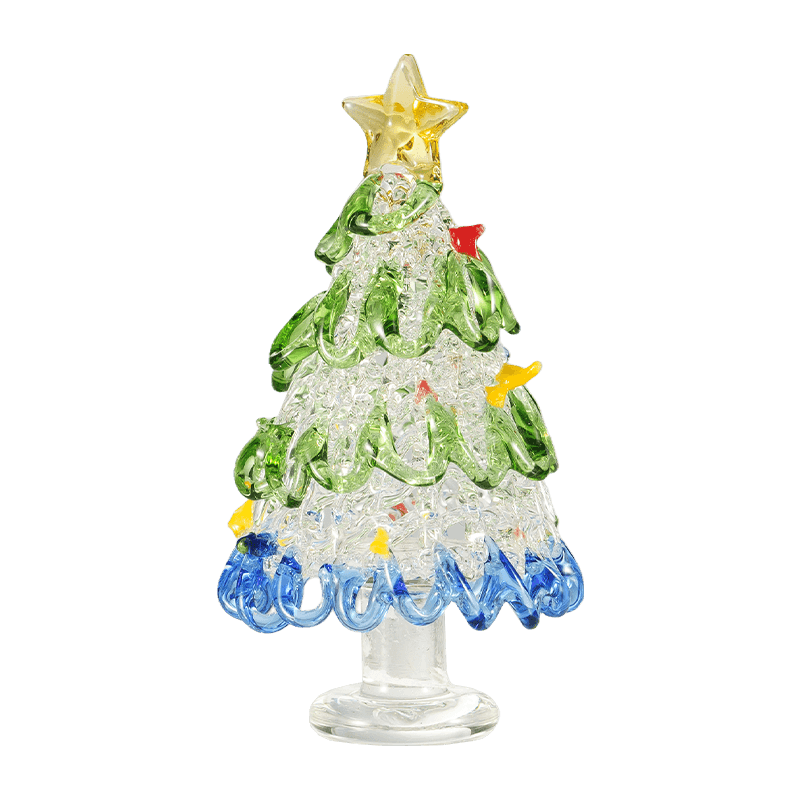
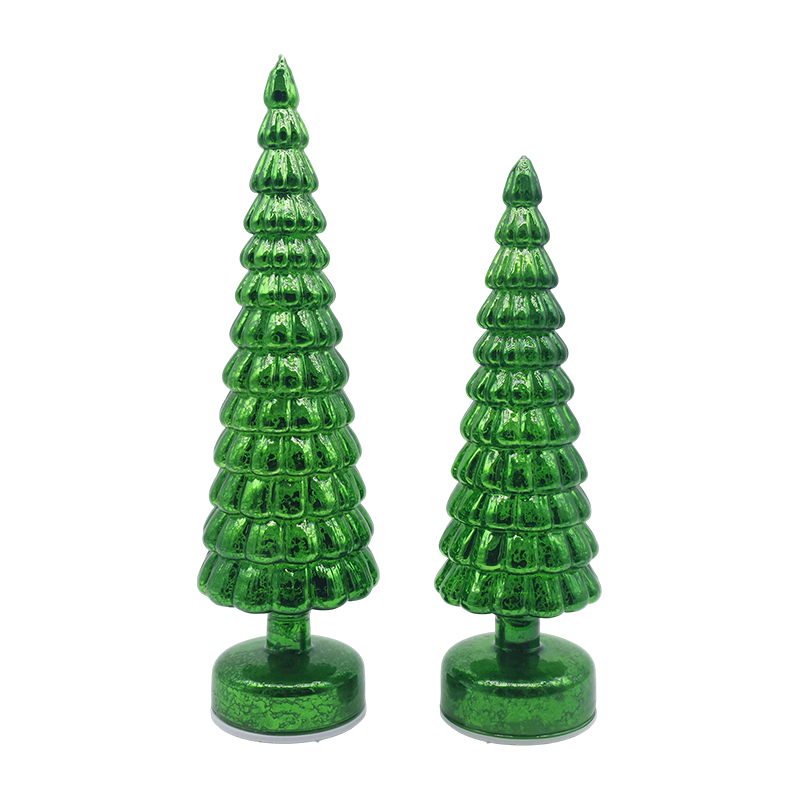 Christmas Glass tree with led light 10×38 & 10×33cm LED Light Up Rotating Christmas Glass Tree Tabletop Ornaments View More
 -
-
-
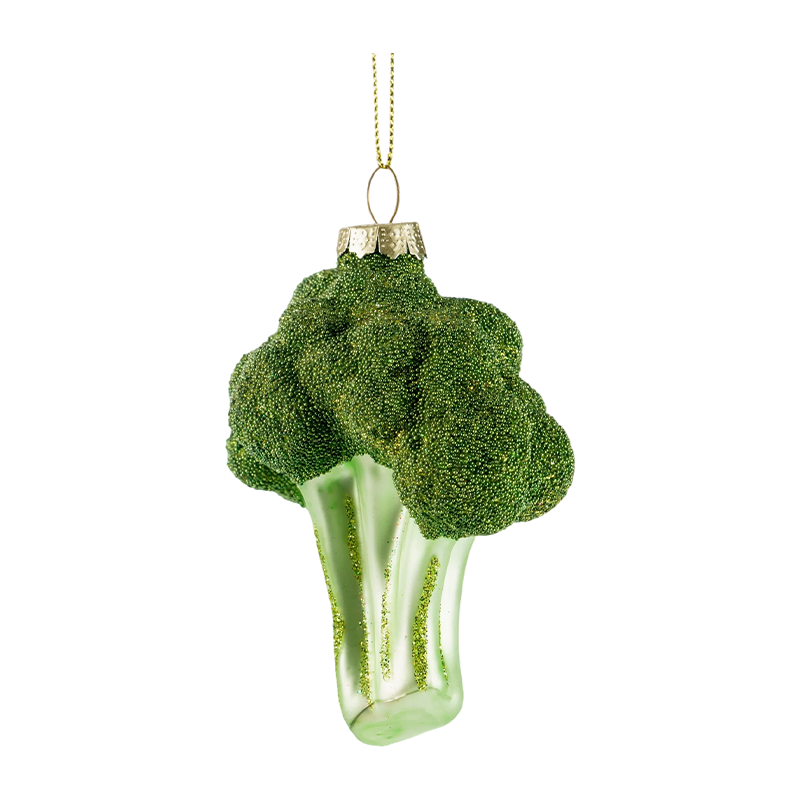
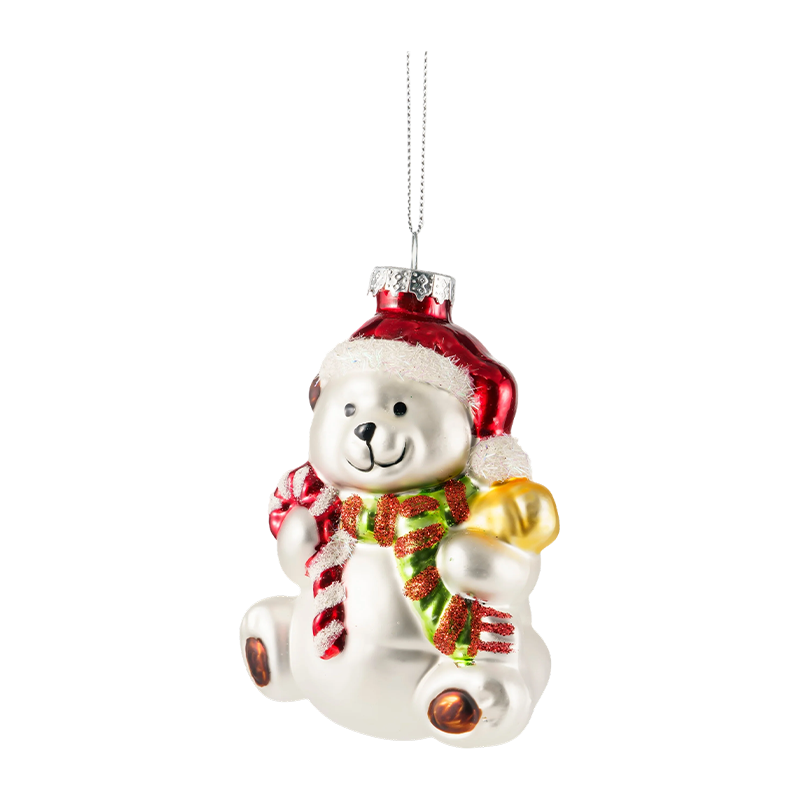
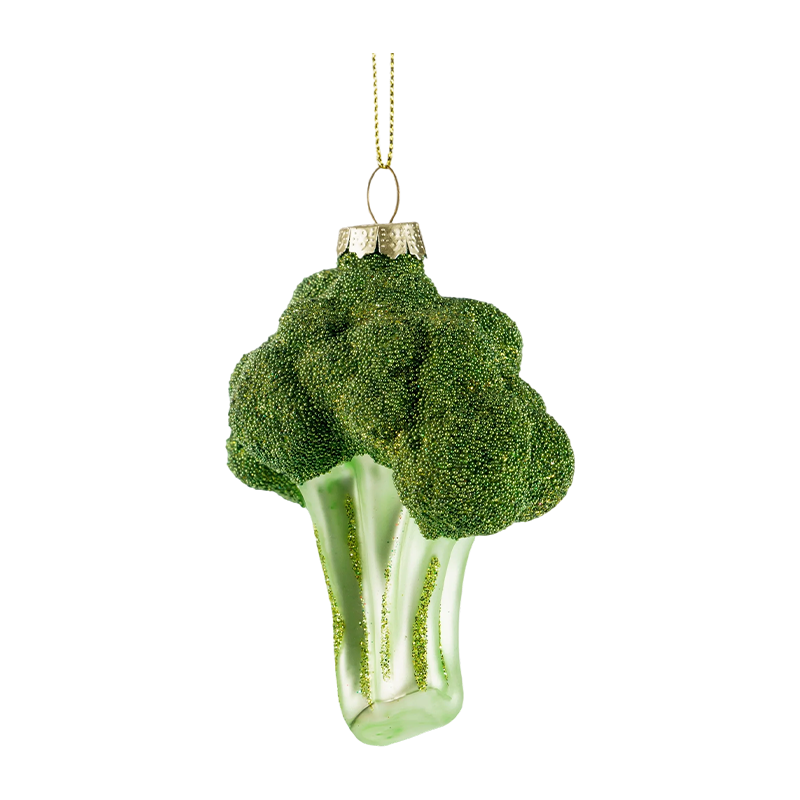 Christmas glass ornament Christmas Glass Ornament Broccoli / Candy Cane / Globe with Deer Shape View More
 -
-
News
-
Yangzhou Shuangyang Crafts Co., Ltd. is a professional enterprise specializing in the research and d...
READ MORE -
Yangzhou Shuangyang Crafts Co., Ltd. is a professional enterprise specializing in the research and d...
READ MORE -
Yangzhou Shuangyang Crafts Co., Ltd. is a professional enterprise specializing in the research and d...
READ MORE -
Yangzhou Shuangyang Crafts Co., Ltd. is a professional enterprise specializing in the research and d...
READ MORE -
Yangzhou Shuangyang Crafts Co., Ltd. is a professional enterprise specializing in the research and d...
READ MORE -
Yangzhou Shuangyang Crafts Co., Ltd. is a professional enterprise specializing in the research and d...
READ MORE

Copyright © Yangzhou Shuangyang Crafts Co., Ltd. All Rights Reserved.
