
-
About Us
Why Choose Us?We specialize in holiday decorations that bring celebrations to life. Our core collection features carefully curated products for major holidays, from the sparkling magic of Christmas and the playful spookiness of Halloween to the cheerful freshness of Easter.
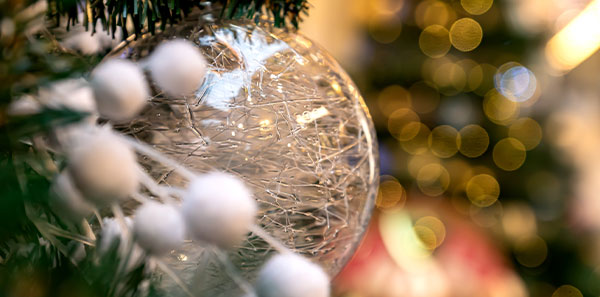 Coming From China, Marketing To The World.
 -
Products
-
News
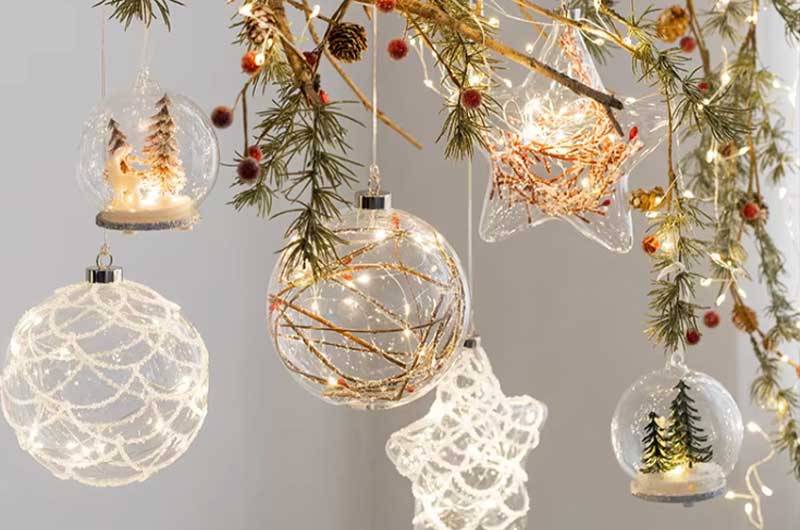 Authentic Reliable Quality Naturally Stands Out
Yangzhou Shuangyang Crafts Co., Ltd. is a professional enterprise specializing in the research and development, production, and overseas export of holiday decoration products. Our company was official...

 English
 русский
 Español
Search
Categories
Product Categories
Recommend
Categories
 Company News
Product Categories
Recommend
-
Company News
-
 Company News
 -
 Company News
Mar 09, 2026 - By admin
How to Safely Clean and Store Your Delicate Christmas Glass Ball Collection?
Content
- 1 The Art of Cleaning: Preserving the Luster of Your Glass Ornaments
- 2 Proper Storage Solutions: Defeating the “Box Crush” and Environmental Decay
- 3 Strategic Organization: The Professional Collector’s Approach
- 4 FAQ: Frequently Asked Questions about Glass Ornament Care
- 5 References and Citations for Collectors
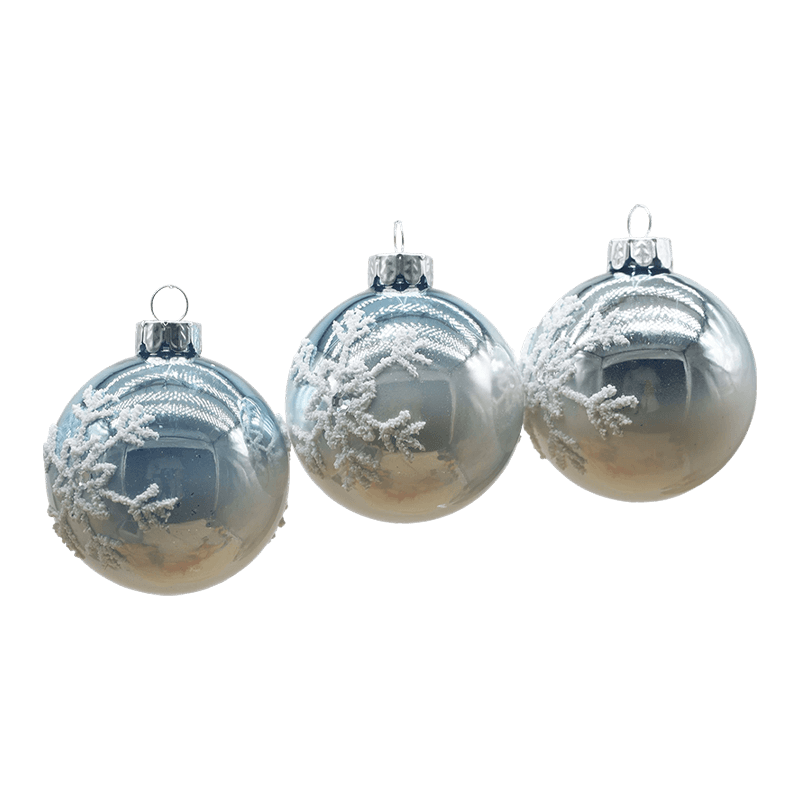
For many families and discerning collectors, a Christmas Glass Ball is much more than a simple seasonal ornament; it is a delicate work of art and a vessel for cherished holiday memories. Whether your collection consists of artisan hand-blown glass, shimmering mercury glass, or intricately hand-painted baubles, these items represent a significant emotional and financial investment. However, the very transparency and brilliance that make glass ornaments so enchanting also make them incredibly vulnerable to the elements and improper handling.
As the holiday season draws to a close, the process of transitioning your decorations from the tree to the storage box is a critical period. Without a professional approach to maintenance, these fragile treasures can suffer from “silvering” loss, paint oxidation, or structural stress fractures.
The Art of Cleaning: Preserving the Luster of Your Glass Ornaments
Proper maintenance begins with cleaning. Throughout the festive month, your Christmas Glass Ball collection is exposed to a variety of environmental factors, including airborne dust, fireplace soot, and the natural oils from fingertips during the decorating process. If these residues are left on the glass for eleven months in storage, they can chemically react with the delicate lacquers and metallic finishes, leading to permanent staining or “fogging.”
Gentle Dusting vs. Deep Cleaning Techniques
When it comes to cleaning high-end glass ornaments, the general rule is: “less is more.” You should never treat a collectible glass bauble with the same vigor as a window pane or a drinking glass.
- The Dry Brush Method: For 90% of your collection, a dry cleaning method is safest. Use a high-quality, soft-bristled brush—such as a clean makeup brush or a specialized goat-hair dusting brush. Gently sweep away dust starting from the top of the ornament (near the metal cap) and working downward. This prevents the accumulation of grime in the fine crevices of the glass design.
- Microfiber Intervention: If the glass appears dull, use a clean, dry microfiber cloth. Avoid applying circular pressure, which can snag on hand-applied glitter or delicate raised patterns. Instead, use light, linear strokes to buff the surface back to its original shine.
Avoiding Chemical Hazards and Moisture Damage
One of the most common mistakes collectors make is using household liquid cleaners. Chemicals such as ammonia, bleach, and even some “natural” citrus cleaners can act as solvents, stripping away the thin layer of gold leaf or silvering that gives the luxury Christmas glass ball its reflective depth.
- The Danger of Water: Never submerge a glass ornament in water. If moisture seeps under the metal cap and enters the interior of the ball, it can cause the internal silver nitrate coating to flake and peel. This creates a “snow globe” effect inside the ornament that is impossible to repair.
- Spot Cleaning: If you encounter a stubborn sticky spot (perhaps from tree sap), dampen a cotton swab with distilled water. Gently dab the area without rubbing. Always ensure the ornament is 100% dry before wrapping it for storage, as trapped moisture is the primary cause of mold and oxidation in holiday collections.
Proper Storage Solutions: Defeating the “Box Crush” and Environmental Decay
The period between January and November is when most damage to a Christmas Glass Ball collection occurs. Standard cardboard boxes, which are acidic by nature, and thin plastic bags offer virtually no protection against the structural or chemical threats found in typical home storage environments. To protect your heirloom pieces, you must create a micro-environment that is both physically stable and chemically neutral.
Choosing Archival-Quality Materials
Many people reuse original retail packaging, but these are often made from cheap materials intended for short-term shipping, not long-term preservation.
- Acid-Free Tissue Paper: This is the gold standard for wrapping. Standard tissue paper or newspaper contains acids and lignins that can cause the pigments on your glass ornaments to yellow or turn brittle over time. By using pH-neutral, acid-free tissue, you create a protective barrier that prevents “color transfer” between different ornaments.
- Rigid Dividers and Cells: Use a storage container with a “cell” structure. Each glass Christmas bauble should have its own dedicated compartment. If you allow glass balls to touch each other, the constant micro-vibrations from footsteps in the house or nearby traffic can cause “fretting,” where the glass surfaces slowly grind against each other, leaving dull white scratches.
Optimal Storage Conditions and Climate Control
Glass is highly susceptible to “thermal shock.” If glass expands and contracts too rapidly due to temperature changes, it can develop microscopic cracks.
- Avoid Attics and Garages: These areas experience the most extreme temperature fluctuations. A summer afternoon in an attic can reach temperatures that soften certain lacquers, causing the ornaments to stick to their wrapping. Instead, store your collection in a “conditioned” space, such as a walk-in closet or under a bed in a guest room.
- Managing Humidity: High humidity can cause the metal “spring” caps on your glass ornaments to rust. This rust can then drip down the side of the glass, leaving a permanent orange stain. Including a few silica gel packets in each storage bin is an inexpensive way to maintain a dry environment and protect the metallic components of your collection.
Strategic Organization: The Professional Collector’s Approach
Efficiency in storage isn’t just about saving space; it’s about reducing the risk of accidental breakage. A well-organized storage system allows you to retrieve and pack your Christmas Glass Ball collection with minimal handling, which is when most accidents happen.
The Vertical Weight Hierarchy
When stacking your storage bins, always remember the physics of weight. Even in a sturdy plastic bin, the cumulative weight of several layers of glass can put pressure on the bottom ornaments.
- The Placement Rule: Always place your largest, heaviest glass balls at the base of the container. These usually have thicker glass walls and can support more weight. Your most delicate, hand-blown “specialty” ornaments should always occupy the top tray.
- Cap Orientation: Store glass ornaments with the metal cap facing upward. The “neck” of the glass ball is its strongest point because the glass is usually slightly thicker there. Resting the ball on its side or its thinnest point increases the likelihood of a “stress pop” during storage.
Essential Storage Guidelines Comparison Table
| Feature | Best Practice | What to Avoid |
|---|---|---|
| Wrapping | Acid-free tissue / Silk wraps | Newspaper, colored crepe, or plastic bags. |
| Container | Hard-shell, reinforced plastic bins | Flimsy cardboard boxes or open baskets. |
| Placement | Individual cells/dividers | “Bulk” storage where balls touch each other. |
| Temperature | Consistent 60°F - 75°F (15°C - 24°C) | Uninsulated attics, basements, or sheds. |
| Orientation | Upright (Cap facing up) | Heavy items stacked on top of glass. |
FAQ: Frequently Asked Questions about Glass Ornament Care
Q: Can I use bubble wrap for my glass ornaments?
A: Bubble wrap is excellent for short-term transit (shipping), but we advise against it for long-term storage. The plastic can trap moisture against the glass surface, and over many years, the “bubbles” can leave permanent circular impressions on delicate hand-painted finishes. Stick to acid-free tissue paper for the best results.
Q: How do I remove the “cloudy” film inside my vintage glass balls?
A: That cloudiness is often the result of the internal silvering oxidizing over several decades. Unfortunately, because this is a chemical reaction inside the sealed glass, it cannot be cleaned. However, many collectors value this as an “authentic patina” that proves the age and history of the piece.
Q: Is it safe to use a vacuum cleaner with a brush attachment?
A: Absolutely not. The suction can be strong enough to pull a delicate glass ball right off the branch or out of your hand, and the hard plastic of the vacuum nozzle can easily shatter thin-walled glass. Always use a manual, soft-bristled brush.
Q: My glass ornament has glitter that is falling off. Can I “reseal” it?
A: You can use a specialized clear, matte fixative spray designed for art, but be very careful. Test a tiny, inconspicuous area first to ensure the spray does not dissolve the underlying paint or dull the shine of the glass.
References and Citations for Collectors
- Conservation and Restoration of Glass Objects, The International Institute for Conservation of Historic and Artistic Works, 2024.
- The Physics of Thermal Expansion in Decorative Glasswork, Journal of Applied Arts & Sciences.
- Preserving Family Heirlooms: A Guide for Seasonal Decor, Museum of Decorative Arts.
- Material Safety and Archival Storage Standards (Standard ISO 18902), International Organization for Standardization.
You may also like…
-
-
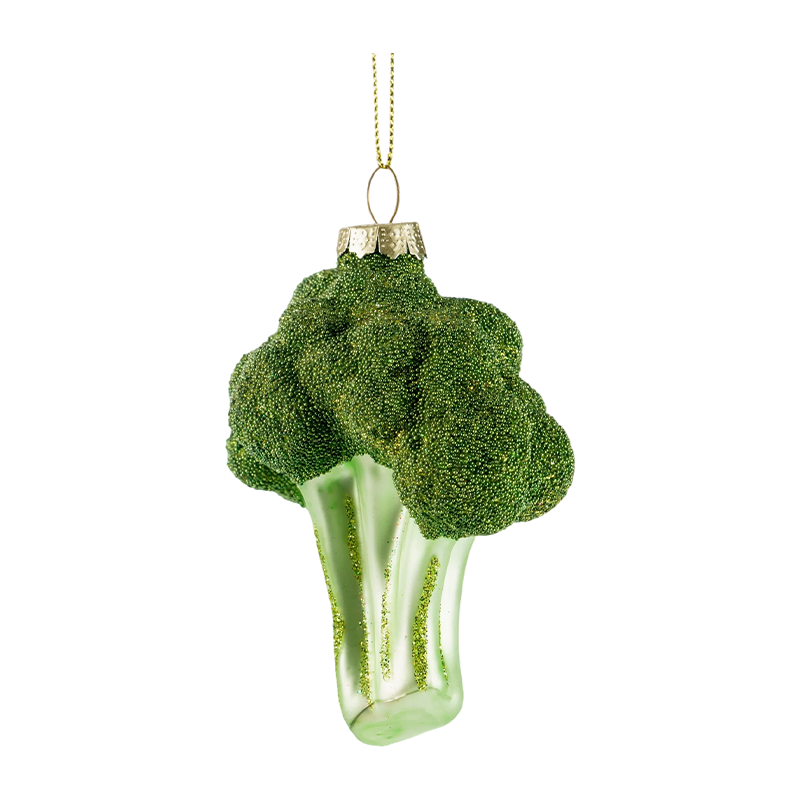 Christmas glass ornament Christmas Glass Ornament Broccoli / Candy Cane / Globe with Deer Shape View More
 -
-
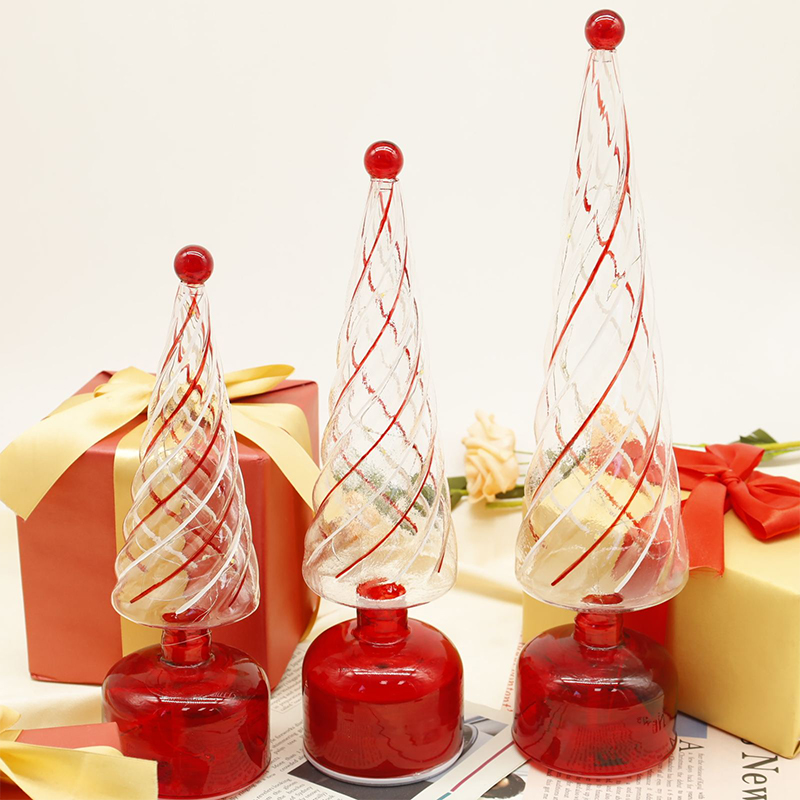
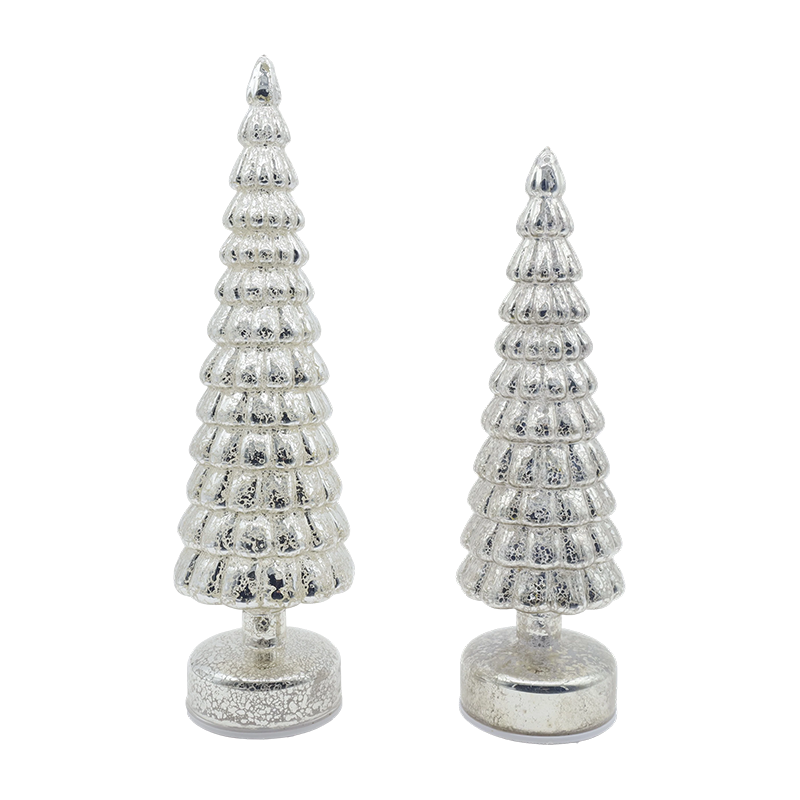 Christmas Glass tree with led light 10×38 & 10×33cm LED Light Up Rotating Christmas Glass Tree Tabletop Ornaments View More
 -
-
News
-
Yangzhou Shuangyang Crafts Co., Ltd. is a professional enterprise specializing in the research and d...
READ MORE -
Yangzhou Shuangyang Crafts Co., Ltd. is a professional enterprise specializing in the research and d...
READ MORE -
Yangzhou Shuangyang Crafts Co., Ltd. is a professional enterprise specializing in the research and d...
READ MORE -
Yangzhou Shuangyang Crafts Co., Ltd. is a professional enterprise specializing in the research and d...
READ MORE -
Yangzhou Shuangyang Crafts Co., Ltd. is a professional enterprise specializing in the research and d...
READ MORE -
Yangzhou Shuangyang Crafts Co., Ltd. is a professional enterprise specializing in the research and d...
READ MORE

Copyright © Yangzhou Shuangyang Crafts Co., Ltd. All Rights Reserved.
