
-
About Us
Why Choose Us?We specialize in holiday decorations that bring celebrations to life. Our core collection features carefully curated products for major holidays, from the sparkling magic of Christmas and the playful spookiness of Halloween to the cheerful freshness of Easter.
 Coming From China, Marketing To The World.
 -
Products
-
News
 Authentic Reliable Quality Naturally Stands Out
Yangzhou Shuangyang Crafts Co., Ltd. is a professional enterprise specializing in the research and development, production, and overseas export of holiday decoration products. Our company was official...
 English
 русский
 Español
News
Search
Categories
Product Categories
Recommend
Categories
 Company News
Product Categories
Recommend
-
Company News
-
 Company News
 -
 Company News
Jun 01, 2026 - By admin
How Do You Properly Store Christmas Glass LED Decorations to Prevent Damage Between Seasons?
Content
- 1 Why Glass LED Decorations Demand Special Storage Care
- 2 Step-by-Step Wrapping and Packing Method
- 3 Choosing the Right Storage Container
- 4 Ideal Storage Environment: Temperature, Humidity, and Light
- 5 Handling LED Cords, Batteries, and Power Components
- 6 Pre-Storage and Pre-Display Testing Routine
- 7 Quick-Reference Storage Checklist
To properly store Christmas glass LED decorations between seasons, wrap each piece individually in acid-free tissue paper or bubble wrap, place them in rigid compartmentalized containers, and store in a cool, dry location away from temperature extremes. This approach prevents the three most common causes of damage: physical breakage, moisture corrosion of LED components, and heat-induced color fading.
Why Glass LED Decorations Demand Special Storage Care
Unlike traditional plastic ornaments, glass LED pieces combine two fragile systems: hand-blown or molded glass shells and low-voltage electronic circuits. A single dropped box can shatter irreplaceable heirloom pieces, while a damp garage can corrode wire contacts within one off-season. Studies from retail return data show that over 60% of holiday decoration damage occurs during storage and retrieval, not during display.
The LED element adds an extra vulnerability: repeated thermal cycling — moving from a 90°F attic in summer to a 32°F garage in winter — causes solder joints to micro-crack over 3–5 cycles, leading to flickering or dead lights even without visible glass damage.
Step-by-Step Wrapping and Packing Method
Follow this sequence for each decoration before placing it in a storage container:
- Inspect and clean first. Wipe each piece with a dry microfiber cloth to remove dust and fingerprint oils. Oils accelerate glass etching over months of contact.
- Wrap in acid-free tissue paper. Use at least two layers. Newspaper ink is acidic and can permanently stain painted glass surfaces over a single storage season.
- Add a bubble wrap outer layer for pieces over 4 inches tall or any item with protruding wire leads.
- Secure wire cords loosely. Coil LED cords in a minimum 3-inch diameter loop and secure with a velcro tie — never a rubber band, which degrades and fuses to wire insulation within 12 months.
- Label each wrapped piece on the outside with a sticky note indicating its contents, avoiding the need to unwrap during retrieval searches.
Choosing the Right Storage Container
Not all boxes are equal. The container choice directly determines how well physical and environmental protection holds up over 10+ months of storage.
| Container Type | Impact Protection | Moisture Resistance | Best For |
|---|---|---|---|
| Cardboard box (original) | Moderate | Poor | Indoor climate-controlled storage only |
| Hard plastic bin (lid-sealed) | Good | Good | Garage or basement storage |
| Ornament divider box (cardboard) | Excellent | Poor | Delicate glass balls and figurines indoors |
| Plastic ornament case with foam dividers | Excellent | Excellent | Best overall — any storage environment |
For collections valued over $200, invest in adjustable-compartment plastic cases (available for $15–$35 each) that allow cell sizing to match each ornament's exact dimensions, eliminating internal movement entirely.
Ideal Storage Environment: Temperature, Humidity, and Light
Environmental conditions are as critical as the physical packaging. Here are the precise targets to aim for:
- Temperature: Store between 50°F and 75°F (10°C–24°C). Attics in summer can reach 130°F+, which warps plastic LED housings and degrades adhesive on painted glass within one season.
- Humidity: Keep relative humidity below 60%. Above this threshold, metal wire contacts begin oxidizing within 3–4 months. A $10 silica gel pack placed inside each container absorbs excess moisture effectively.
- Light exposure: Avoid direct sunlight or UV exposure. UV rays bleach painted glass surfaces — even through a window — causing noticeable fading within a single summer.
- Pest risk: Cardboard stored in basements or attics is vulnerable to mice and insects. Sealed hard plastic bins eliminate this risk entirely.
The best location in most homes is a bedroom closet shelf or an interior hallway cabinet — climate-controlled, dark, and away from the humidity extremes of garages and attics.
Handling LED Cords, Batteries, and Power Components
The electronic components of glass LED decorations require dedicated attention beyond wrapping the glass itself.
Remove Batteries Before Storage
Always remove batteries from battery-operated LED pieces. AA and AAA alkaline batteries have a documented leak rate of approximately 1 in 40 units per year under storage conditions. A single leaking battery deposits potassium hydroxide residue that permanently corrodes battery contacts — a non-repairable failure. Store removed batteries separately in a zip-lock bag at room temperature.
Cord Management for Plug-In Pieces
For plug-in LED decorations, avoid tight coiling or kinking the power cord around the glass body. Instead:
- Wrap cords in a figure-eight pattern to prevent internal wire twisting.
- Place the cord coil flat in the same compartment or in a small zip-lock bag alongside the ornament.
- Never store the glass piece resting on its own cord — concentrated pressure points crack thin-walled glass over time.
Pre-Storage and Pre-Display Testing Routine
Building a brief testing habit at both ends of the storage cycle prevents unpleasant surprises and catches deterioration early.
Before Packing Away (Post-Christmas)
- Power on each LED piece and confirm all lights function before storage. Document any already-failing units separately — do not store broken items mixed with working ones.
- Check for cracked glass, loose wire leads, or corroded contacts. Apply a small amount of clear nail polish over hairline cracks to prevent them from spreading during handling.
Before Displaying (Pre-Christmas)
- Test all LED functions before unwrapping fully — catching a dead unit while still in its packaging prevents accidental damage during frustrated re-wrapping.
- Allow pieces stored in cold environments to acclimate at room temperature for 2 hours before handling. Cold glass is significantly more brittle than room-temperature glass.
- Replace silica gel packs with fresh ones before re-sealing containers for the next storage cycle. Saturated packs provide zero moisture absorption.
Quick-Reference Storage Checklist
Use this checklist each year to ensure nothing is skipped:
- Test all LED functions before packing
- Clean each piece with a dry microfiber cloth
- Remove all batteries and bag separately
- Wrap in acid-free tissue paper (minimum 2 layers)
- Add bubble wrap for large or protruding pieces
- Coil cords loosely with velcro ties
- Place in rigid compartmentalized container
- Add fresh silica gel pack inside each container
- Seal container and label contents
- Store in climate-controlled space (50°F–75°F, below 60% humidity)
You may also like…
-
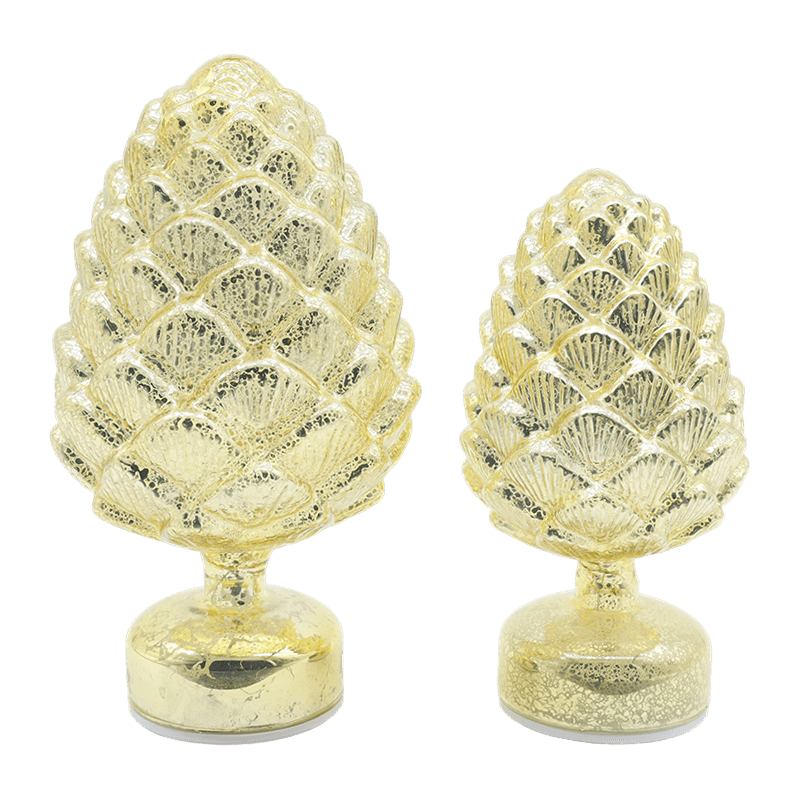 Christmas glass led decoration 15×28 cm & 11×22 cm Pinecone Christmas Rotating Glass LED Tabletop Decoration View More
 -
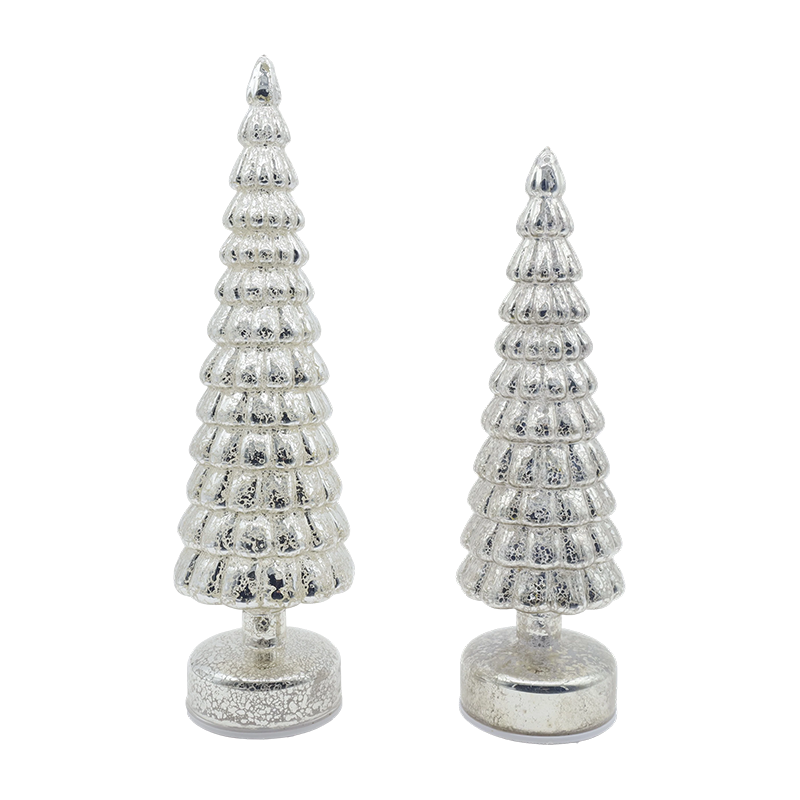 Christmas Glass tree with led light 10×38 & 10×33cm LED Light Up Rotating Christmas Glass Tree Tabletop Ornaments View More
 -
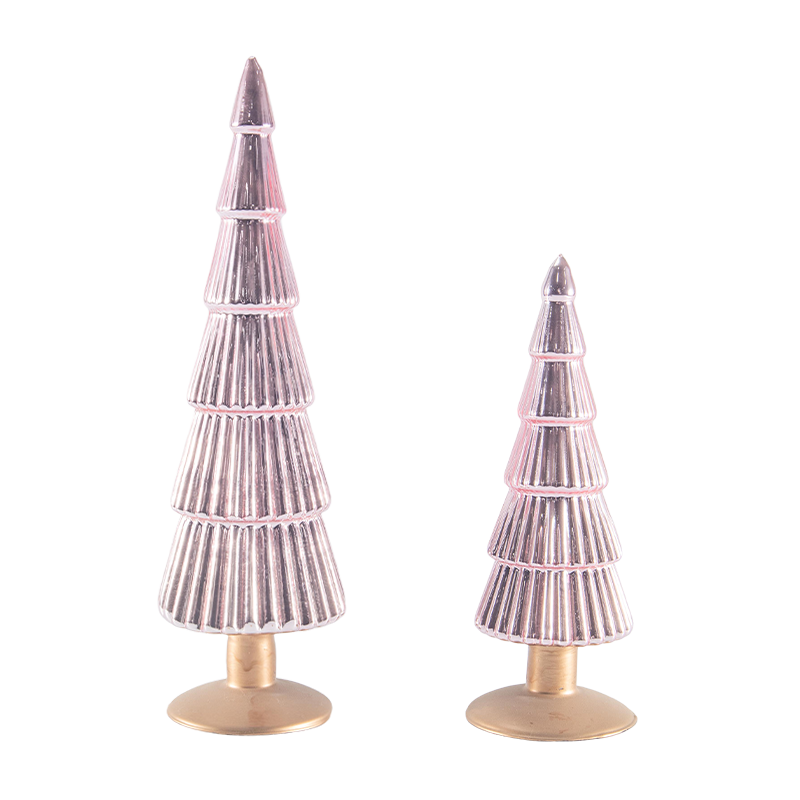 Other material decorations 8×20 & 8×25cm Striped Christmas Glass Tree 2-Piece Set Tabletop Holiday Decor View More
 -
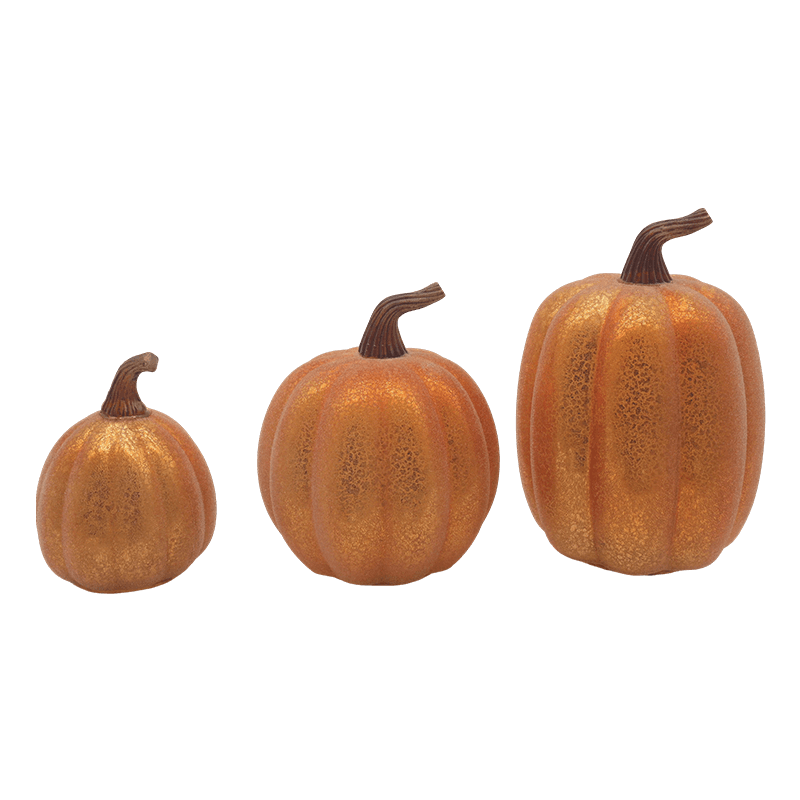 Halloween Pumpkin Lamp 10*11.5cm &12*15cm Halloween LED Glass Pumpkin Lamp Tabletop Ornament View More
 -
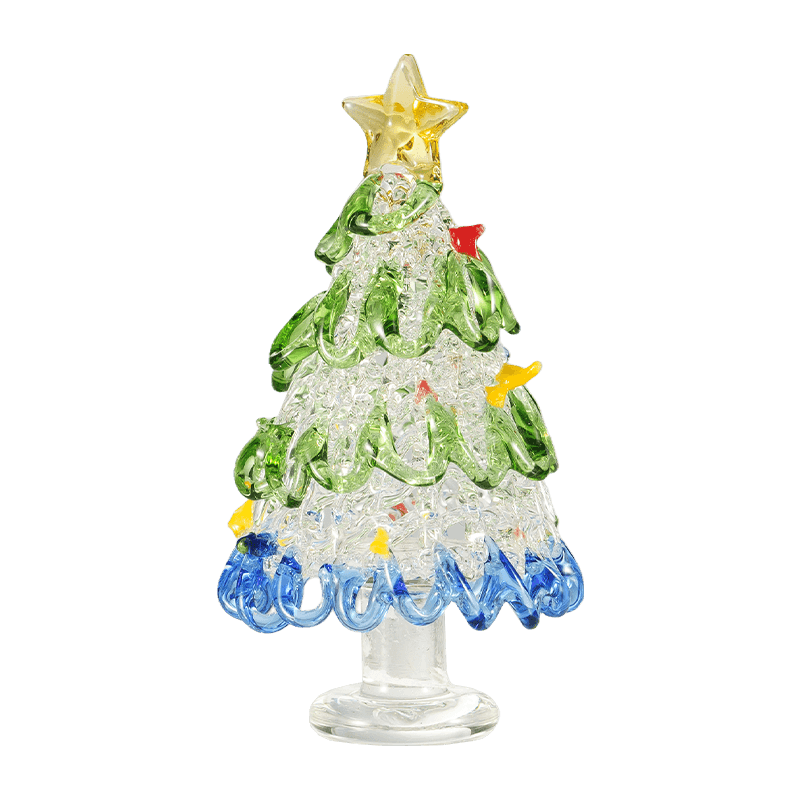
-
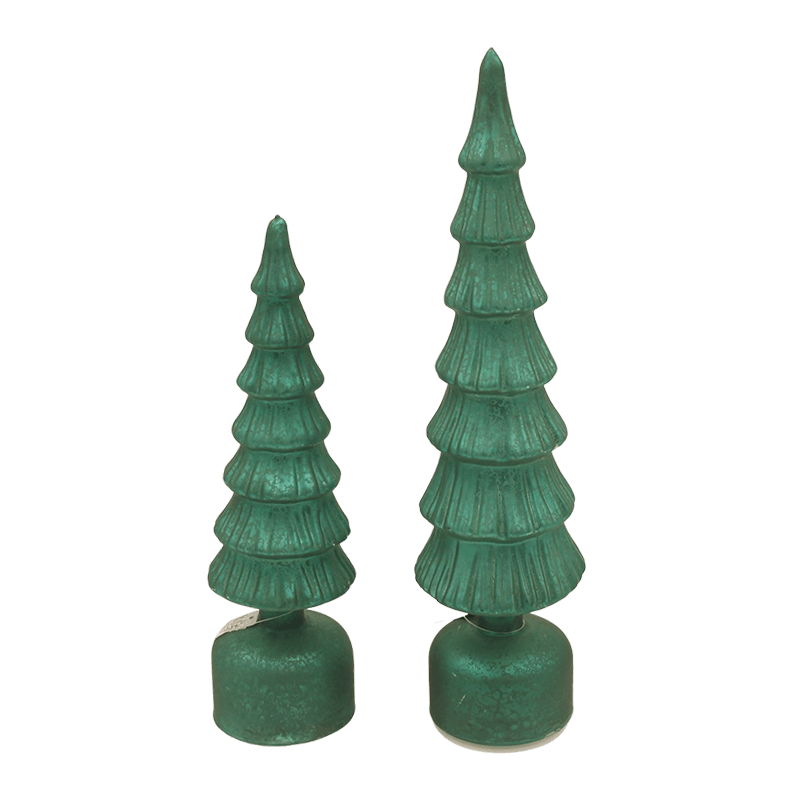 Christmas Glass tree with led light 10×25/10×30 Glass LED Illuminated Christmas Tree Decorative Ornament View More
News
-
Yangzhou Shuangyang Crafts Co., Ltd. is a professional enterprise specializing in the research and d...
READ MORE -
Yangzhou Shuangyang Crafts Co., Ltd. is a professional enterprise specializing in the research and d...
READ MORE -
Yangzhou Shuangyang Crafts Co., Ltd. is a professional enterprise specializing in the research and d...
READ MORE -
Yangzhou Shuangyang Crafts Co., Ltd. is a professional enterprise specializing in the research and d...
READ MORE -
Yangzhou Shuangyang Crafts Co., Ltd. is a professional enterprise specializing in the research and d...
READ MORE -
Yangzhou Shuangyang Crafts Co., Ltd. is a professional enterprise specializing in the research and d...
READ MORE

Copyright © Yangzhou Shuangyang Crafts Co., Ltd. All Rights Reserved.
