
-
About Us
Why Choose Us?We specialize in holiday decorations that bring celebrations to life. Our core collection features carefully curated products for major holidays, from the sparkling magic of Christmas and the playful spookiness of Halloween to the cheerful freshness of Easter.
 Coming From China, Marketing To The World.
 -
Products
-
News
 Authentic Reliable Quality Naturally Stands Out
Yangzhou Shuangyang Crafts Co., Ltd. is a professional enterprise specializing in the research and development, production, and overseas export of holiday decoration products. Our company was official...
 English
 русский
 Español
Search
Categories
Product Categories
Recommend
Categories
 Company News
Product Categories
Recommend
-
Company News
-
 Company News
 -
 Company News
Jul 06, 2026 - By admin
Christmas Ornament Shapes Guide: Types, Names & Decorating Ideas for Every Tree
Content
- 1 What Are the Main Christmas Ornament Shapes? The Short Answer
- 2 Round Ornaments: The Foundation of Every Tree
- 3 Long and Teardrop Christmas Ornaments: Adding Vertical Movement
- 4 Figural and Christmas Tree Shaped Ornaments: Adding Story and Personality
- 5 Stick, Pick, and Spray Ornaments: Texture Without Weight
- 6 Finials, Spikes, and Tree Toppers: The Final Shape Category
- 7 Complete Ornament Shape Names Reference Chart
- 8 Types of Christmas Ornaments by Material
- 9 How to Mix Ornament Shapes for a Professionally Styled Tree
- 10 Christmas Ornament Shapes Beyond the Tree: Mantels, Wreaths, and Garlands
- 11 Common Mistakes When Choosing and Arranging Ornament Shapes
- 12 Choosing Ornament Shapes by Tree Style and Theme
- 13 Storing Different Ornament Shapes to Prevent Damage
- 14 Building a Balanced Ornament Collection
What Are the Main Christmas Ornament Shapes? The Short Answer
There are five core christmas ornament shapes that form the foundation of nearly every well-decorated tree: round baubles, long/teardrop hanging ornaments, figural (shaped) ornaments, finial/spike toppers, and stick or pick ornaments inserted directly into the branches. Each shape plays a different visual role — round ornaments fill volume, long ornaments add vertical movement, figural pieces add personality and storytelling, and sticks add texture without weight on the branches.
Professional tree decorators generally recommend a ratio of roughly 60% round ornaments, 25% shaped/figural ornaments, and 15% long or pick-style accents to achieve a balanced, magazine-style tree rather than a cluttered or flat-looking one.
This guide breaks down every major category of christmas ornaments shapes, explains the ornament shape names you'll see on packaging and in stores, and gives practical, room-by-room guidance for using them — from the tree itself to mantels and tablescapes.
Round Ornaments: The Foundation of Every Tree
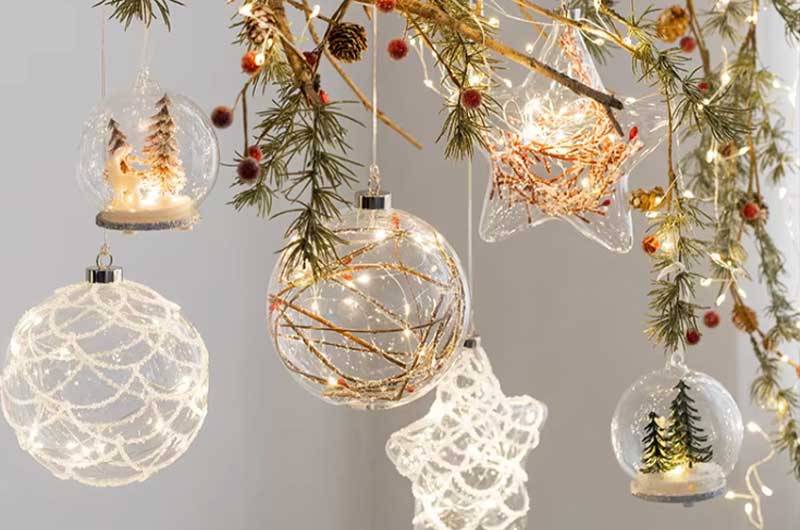
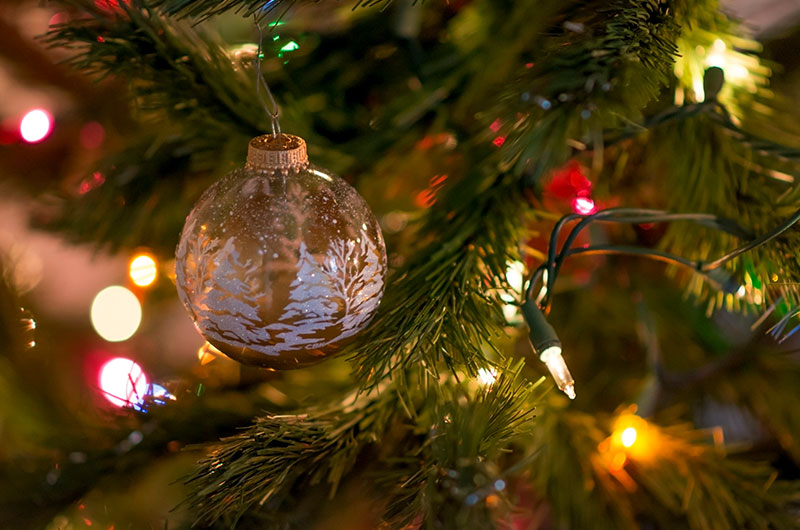
The ornament round is the single most common shape in holiday decor, and for good reason — spheres reflect light evenly from every angle, nest naturally into the negative space between branches, and are the easiest shape to mass-produce in consistent sizes. When people picture "Christmas ornaments," they are usually picturing a round bauble.
Bauble Ornament Sizes and Where to Use Them
A bauble ornament typically comes in three working size categories. Understanding these sizes is the key to layering a tree so it doesn't look flat or uneven.
| Bauble Size | Diameter Range | Placement on Tree | Recommended Quantity (7ft Tree) |
|---|---|---|---|
| Small | 1.5–2 inches | Inner branches, near trunk | 25–35 pieces |
| Medium | 3–4 inches | Mid-depth, evenly spaced | 30–40 pieces |
| Large/Statement | 5–7 inches | Outer branches, focal points | 10–15 pieces |
Mixing all three sizes — rather than using one uniform size — is what creates visual depth. A tree decorated only with medium baubles tends to look flat and uniform from a distance, while a mix of scales mimics natural light falloff and draws the eye through the tree.
Finish Variations Within the Round Shape
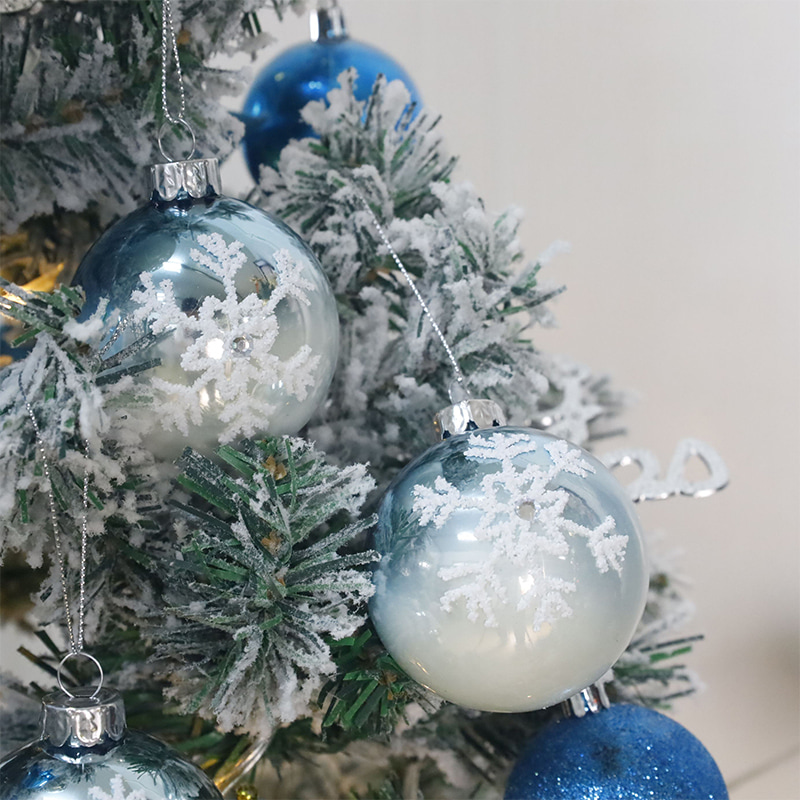
Even within the round category, finish dramatically changes how the ornament reads. Glossy finishes reflect ambient and string light most strongly, making them ideal for darker rooms. Matte finishes diffuse light softly and pair well with rustic or Scandinavian-style trees. Glitter and flocked finishes add texture but absorb more light, so they work best mixed with at least 40% glossy pieces to maintain overall tree brightness.
Long and Teardrop Christmas Ornaments: Adding Vertical Movement
Long christmas ornaments — including teardrops, icicles, and elongated finials — break up the repetitive roundness of baubles and introduce vertical lines that echo the natural taper of the tree itself. They are one of the most underused shape categories among home decorators, despite being a staple in professionally styled trees.
Teardrop and Icicle Ornaments
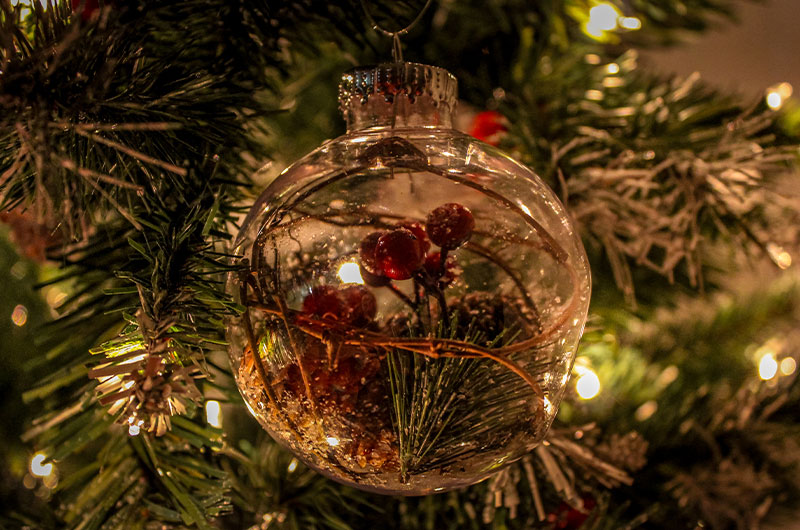
Teardrop-shaped ornaments taper from a wide top to a narrow point, mimicking the silhouette of dripping ice or a flame. Icicle ornaments — typically clear or frosted glass — are even more elongated, often 4 to 8 inches in length, and are traditionally hung near the tips of branches where they can catch and reflect light most visibly.
Why Long Ornaments Matter for Branch Coverage
Because branch tips on most artificial and live trees taper to very little width, round ornaments often look oversized or awkward at the very ends. Long, slender ornaments fit naturally into these narrow points, allowing decoration to extend further toward the tip without visual bulk. Stylists commonly reserve 10–15% of total ornament count for long/teardrop shapes specifically for this tip placement.
Figural and Christmas Tree Shaped Ornaments: Adding Story and Personality
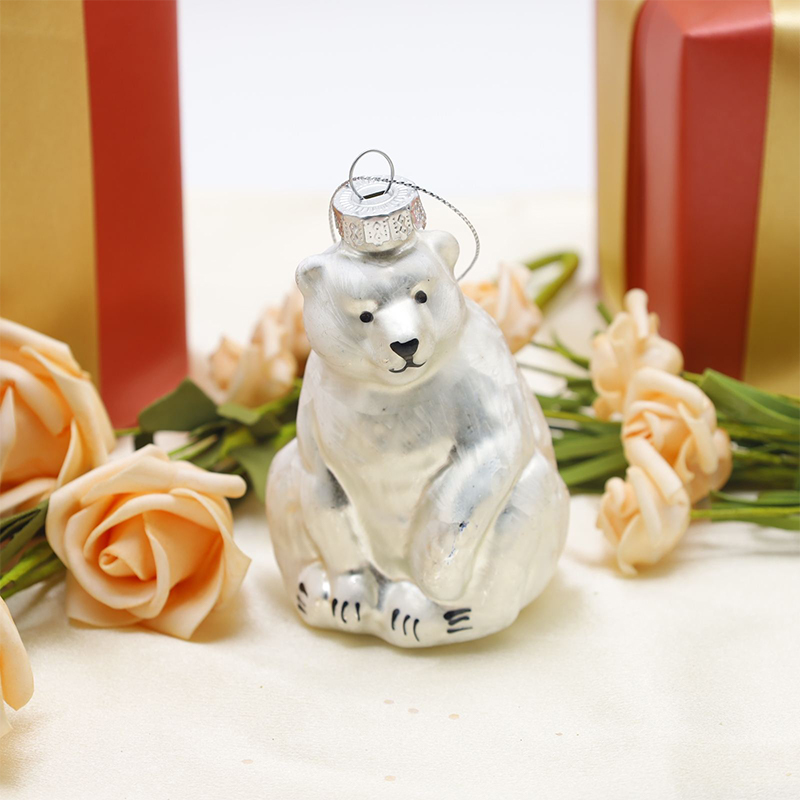
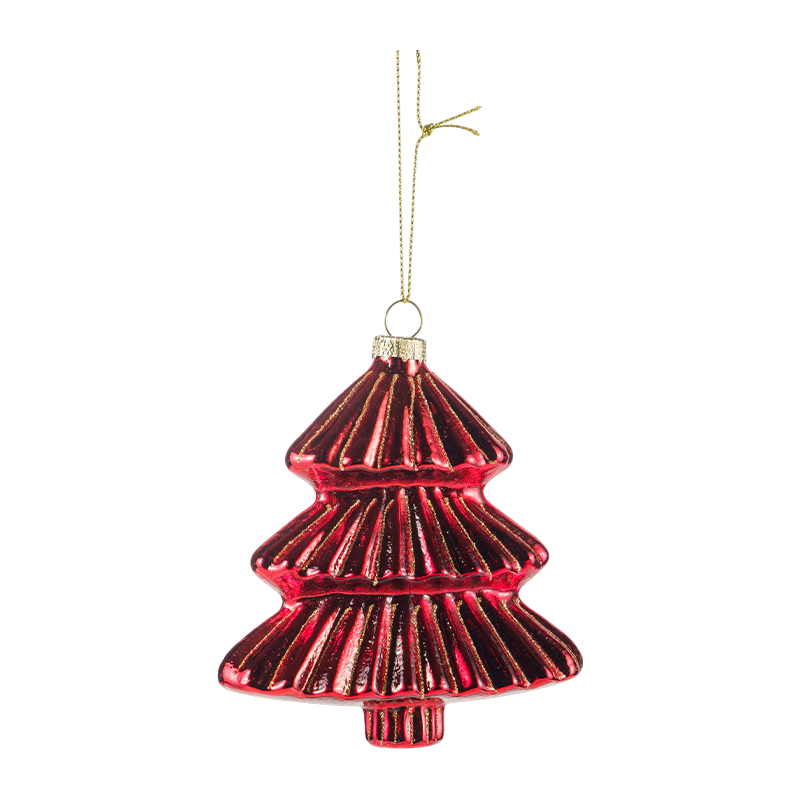
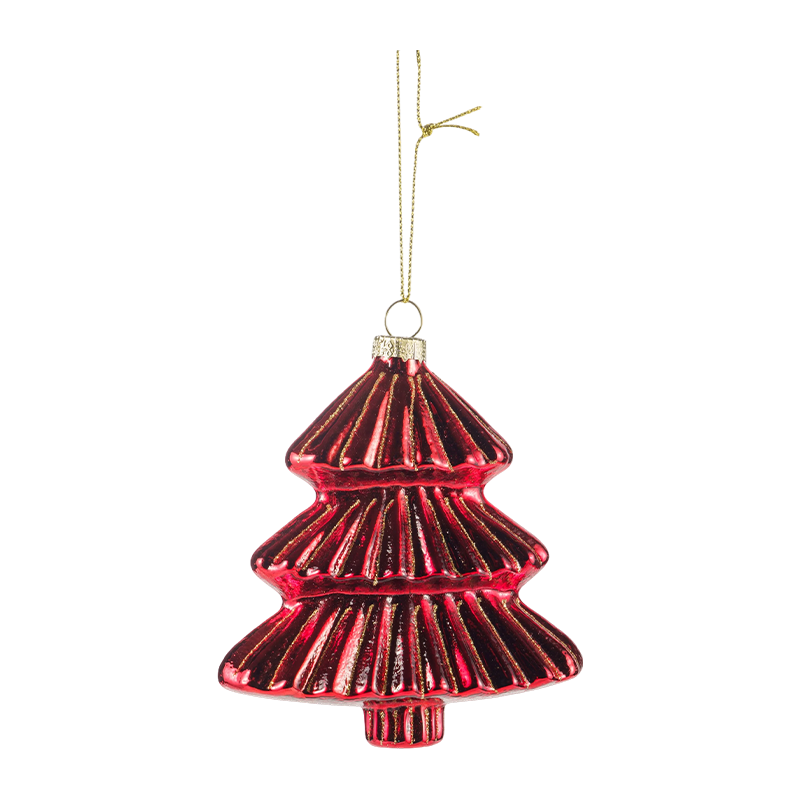
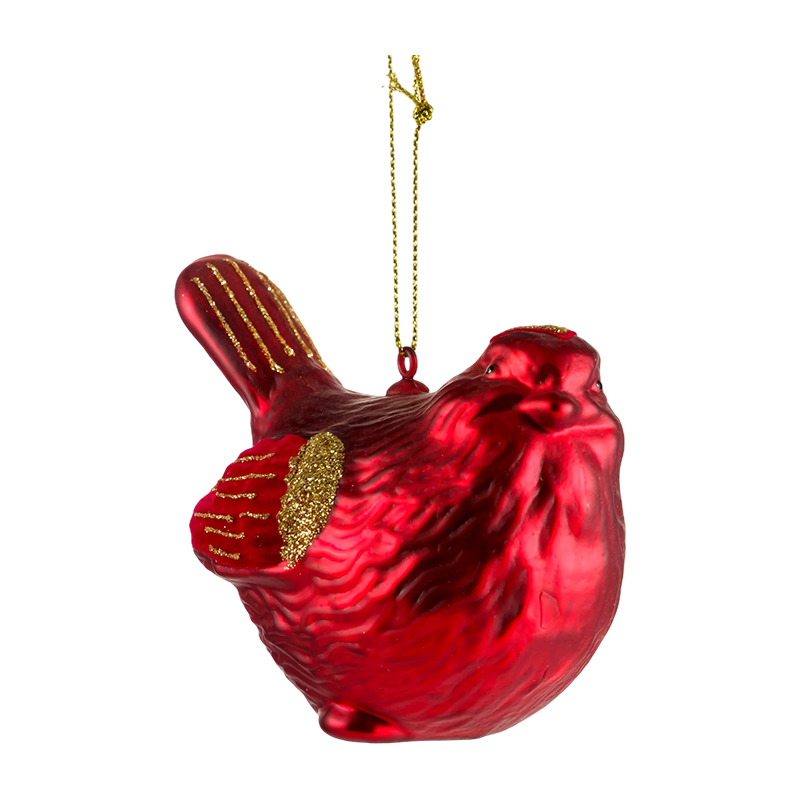
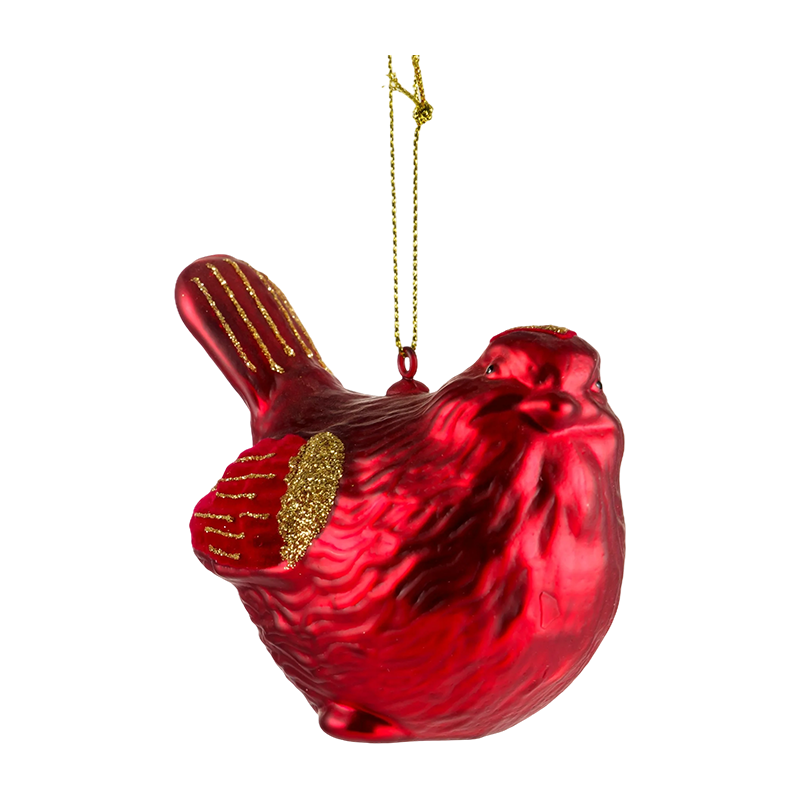
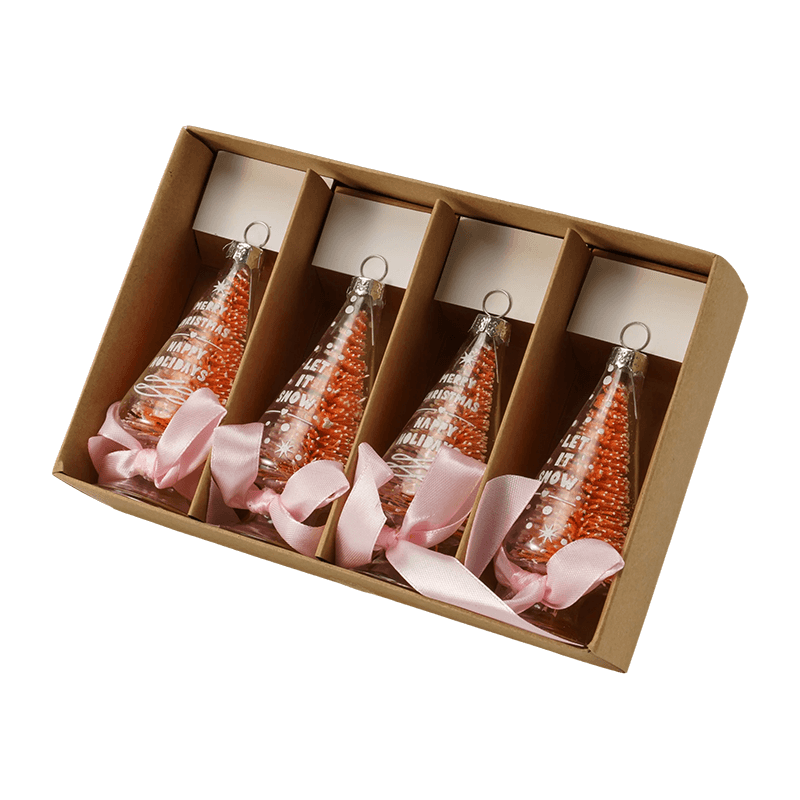
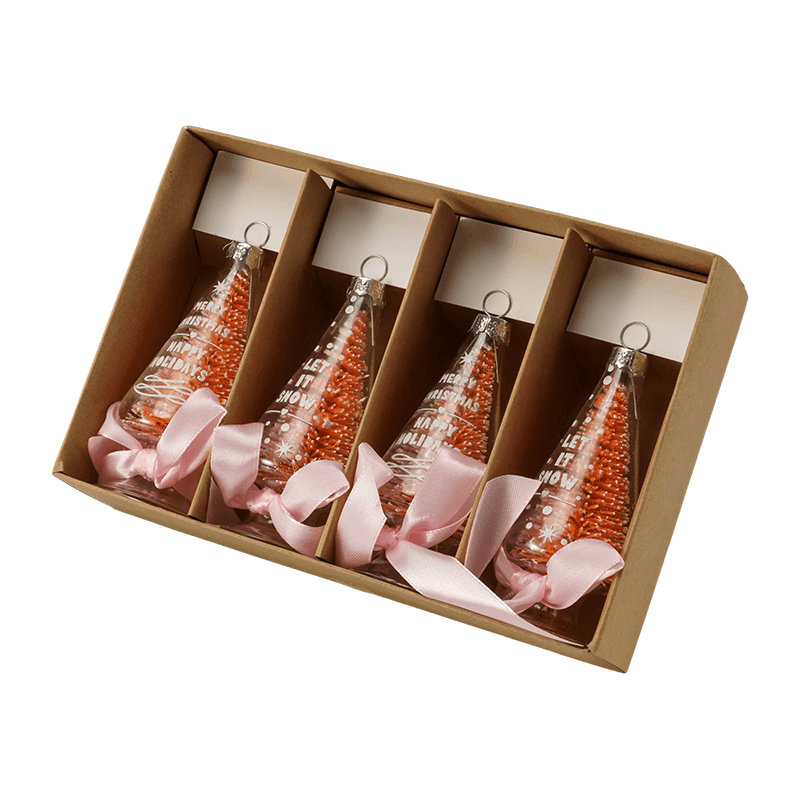
Figural ornaments are shaped ornament pieces molded into recognizable forms — animals, food, vehicles, instruments, and even miniature christmas tree shaped ornaments themselves. This category is where personal meaning and collecting traditions live, and it's typically the category families add to year after year.
Common Categories of Figural Ornaments
- Nature and animals: Birds, owls, deer, and woodland creatures — especially popular in rustic and cabin-style decor.
- Food and treats: Candy canes, gingerbread figures, fruit slices, and miniature desserts.
- Mini trees and botanicals: Small christmas tree shaped ornaments, pinecones, holly sprigs, and wreaths used as accent pieces within the larger tree.
- Travel and hobby keepsakes: Instruments, sports equipment, vehicles, and landmarks — usually personalized or collected over time.
- Religious and traditional symbols: Stars, angels, nativity figures, and bells.
How to Use Figural Pieces Without Cluttering the Tree
Because figural ornaments carry the most visual "weight" — irregular shapes and varied colors draw the eye more than uniform baubles — they should be spaced with intention rather than clustered. A common professional technique is the "odd-number cluster" rule: group figural ornaments in sets of three, spaced at roughly equal intervals around the tree, rather than scattering them randomly or placing them all on one side.
Stick, Pick, and Spray Ornaments: Texture Without Weight
Sticks in christmas tree decorating refer to a distinct, often overlooked category: rigid wired picks and sprays that insert directly into the branch structure rather than hanging from it. Unlike hanging ornaments, sticks add volume and texture without adding pendulum weight to thinner branch tips.
Common Types of Pick and Stick Ornaments
- Berry and floral picks: Wired clusters of faux berries, pinecones, or small florals inserted between branches.
- Glitter sprays: Thin branching wire sticks coated in glitter or frost, used to fill visual gaps and add sparkle without bulk.
- Feather picks: Soft texture additions, often used in neutral or natural-themed trees.
- Twig and branch sticks: Birch, willow, or curly willow stems that add architectural height, often extending above the tree's natural peak for a dramatic effect.
Designers typically insert sticks before hanging ornaments — they function more like a base layer that fills gaps in the branch structure, similar to how floral foam supports a flower arrangement. Adding hanging ornaments afterward then sits within a fuller, more dimensional base.
Finials, Spikes, and Tree Toppers: The Final Shape Category
The finial or tree topper sits at the peak of the tree and functions as the visual anchor for the entire design. Unlike other christmas ornament shapes, only one finial is used per tree, which means its scale and finish need to be chosen with extra care.
Common Topper Shapes
- Star toppers: The most traditional shape, available in flat, dimensional, or lit variations.
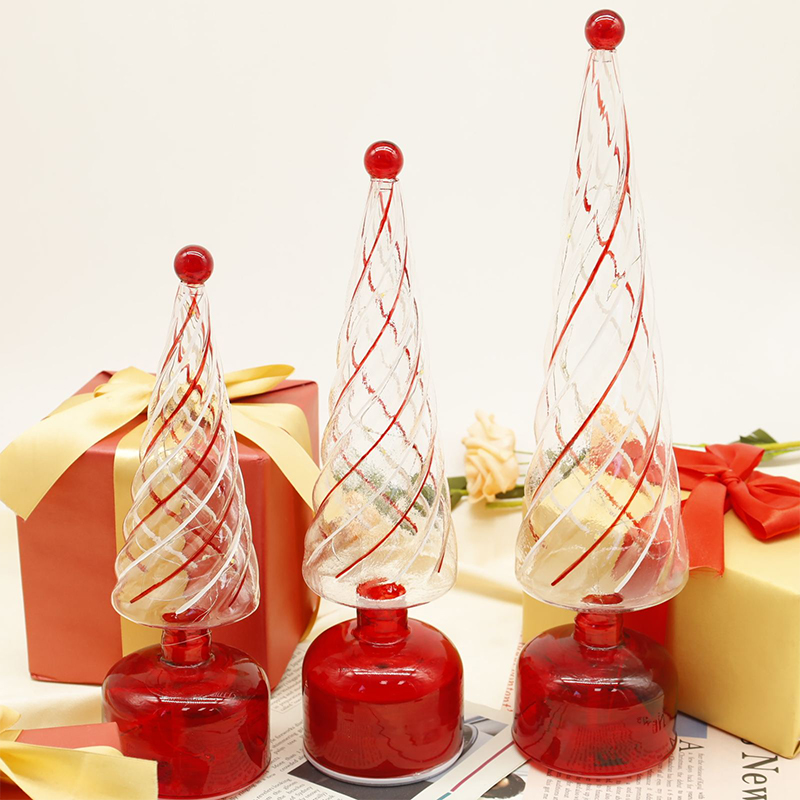
- Spike/finial toppers: An elongated cone or teardrop shape, increasingly popular in modern and minimalist tree styling because it echoes the tree's natural taper rather than contrasting with it.
- Angel toppers: A traditional figural choice, common in classic and religious-themed decor.
- Bow or floral toppers: A non-figural alternative gaining popularity for its flexibility across decor styles.
A general sizing rule: the topper should be roughly 10–15% of the total tree height — a topper that's too small reads as an afterthought, while an oversized topper can visually overwhelm a well-balanced tree.
Complete Ornament Shape Names Reference Chart
For shoppers trying to identify exact ornament shape names while browsing in-store or online, this reference summarizes the most common shapes, their defining characteristics, and best placement.
| Shape Name | Defining Feature | Best Placement |
|---|---|---|
| Round / Bauble | Spherical, uniform reflection | All-over base layer |
| Teardrop / Icicle | Tapered, elongated point | Branch tips |
| Oval / Egg | Elongated round, softer than teardrop | Mid-depth, mixed with round |
| Figural / Shaped | Molded into recognizable objects | Clustered focal points |
| Stick / Pick / Spray | Rigid, inserted not hung | Gap-filling base layer |
| Finial / Spike | Cone or elongated point, single use | Tree topper |
| Mini Tree Shape | Small triangular conical form | Accent clusters, mantels, tablescapes |
| Star | Pointed multi-sided form | Topper or scattered accent |
| Disc / Medallion | Flat circular form | Outer branches, catches light flat-on |
Types of Christmas Ornaments by Material
Beyond shape, types of christmas ornaments also vary significantly by material, which affects durability, light reflection, weight on branches, and overall cost. Material choice should be matched to both budget and tree type (live vs. artificial, indoor vs. outdoor-adjacent).
Glass Ornaments
Mouth-blown or molded glass remains the premium standard, prized for its depth of color and reflective quality. Glass ornaments are fragile but offer the richest light reflection of any material — a key reason glass remains the top choice for formal or heirloom-style trees despite being more expensive and breakage-prone than plastic alternatives.
Plastic and Shatterproof Ornaments
Shatterproof plastic ornaments mimic the look of glass at a fraction of the weight and breakage risk, making them the practical choice for households with pets, young children, or trees in high-traffic areas. Most major retailers report shatterproof ornaments now make up over 60% of mass-market ornament sales due to this durability advantage.
Wood and Natural Materials
Wood, felt, and natural-fiber ornaments have grown significantly in popularity alongside the rise of Scandinavian and rustic farmhouse decor styles. These materials absorb rather than reflect light, creating a softer, more matte overall tree appearance compared to glass or glossy plastic.
Metal and Wire Ornaments
Tin, brass, and wire-formed ornaments offer durability with a distinctive vintage or industrial character. They are especially popular in figural shapes — stars, bells, and snowflakes — where the rigid material holds fine detail better than fabric or soft plastic.
How to Mix Ornament Shapes for a Professionally Styled Tree
Knowing the different ornament shapes is only half the equation — the real skill is combining them in proportion and sequence. Professional tree decorators follow a consistent layering process regardless of theme or color palette.
Step 1: Lights First, Always
Lights should always be added before any ornaments, working from the inner trunk outward to ensure even coverage. Skipping this order is the most common reason home-decorated trees look unevenly lit.
Step 2: Add Sticks and Picks to Fill Gaps
Insert stick and spray ornaments into any visible gaps in the branch structure. This step builds volume and ensures the tree doesn't look sparse once hanging ornaments are added.
Step 3: Place Large Round and Figural Ornaments First
Hang the largest, most visually significant pieces first — large baubles and figural ornaments — spacing them evenly around the tree at varying depths (some deep near the trunk, some forward near branch tips). This establishes the tree's overall visual rhythm before smaller pieces are added.
Step 4: Fill in Medium and Small Round Ornaments
Use medium and small baubles to fill the remaining visual gaps between the large statement pieces, working to maintain even color and size distribution rather than clustering similar ornaments together.
Step 5: Add Long and Teardrop Ornaments at the Tips
Reserve teardrop and icicle shapes for the outermost branch tips, where their slender profile fits naturally and adds the finishing vertical movement to the silhouette.
Step 6: Top the Tree
Add the finial or topper last, once the overall shape and density of the tree is visible — this makes it easier to choose a topper scale that complements what's already been built rather than guessing in advance.
Christmas Ornament Shapes Beyond the Tree: Mantels, Wreaths, and Garlands
Christmas tree decoration shapes are not limited to the tree itself — the same shape categories translate effectively to mantels, wreaths, garlands, and tablescapes, often with slightly different proportions.
Mantel Displays
On a mantel, large round ornaments work well grouped in odd-numbered clusters of three or five, often placed inside glass hurricanes or apothecary jars to create height variation. Christmas tree shaped ornaments in mini form are particularly effective on mantels, where their unmistakable silhouette reads clearly even from across a room.
Wreaths and Garlands
Wreaths benefit most from a mix of stick/pick ornaments (for base texture) and a smaller number of round or figural accent pieces wired directly into the greenery. Because wreaths are viewed primarily from one side, ornament placement should be denser at the bottom and sides, where the eye naturally lands first.
Table Centerpieces and Place Settings
Round ornaments scaled down to 1–2 inches work especially well scattered loosely around a centerpiece base or tucked into a table runner, while a few medium ornaments placed inside glass containers with candles create height without blocking sightlines across the table — an important consideration, since centerpieces taller than 14 inches commonly obstruct conversation at a seated dinner table.
Common Mistakes When Choosing and Arranging Ornament Shapes
Even with a good understanding of shapes of ornaments, certain arrangement mistakes consistently undermine an otherwise well-planned tree or display.
Using Only One Shape Category
A tree decorated entirely with round ornaments — even in varied colors — tends to look flat and repetitive from a distance. Introducing even a modest 15–20% of long or figural shapes meaningfully changes the perceived depth and interest of the display.
Overcrowding Figural Pieces
Because figural and shaped ornaments draw more visual attention than round ones, using too many in close proximity creates a chaotic, busy appearance. Spacing figural pieces evenly — rather than clustering all of them together — keeps the eye moving smoothly around the tree.
Ignoring Scale Relative to Tree Size
Large statement ornaments on a small tabletop tree, or exclusively small ornaments on a large 9-foot tree, both create a visual mismatch. As a general guideline, statement ornaments should be no more than roughly 8–10% of the tree's total height to maintain proportion.
Skipping the Stick/Filler Layer
Many home decorators skip stick and pick ornaments entirely, going straight to hanging pieces. This often results in visible gaps near the trunk and an overall sparse appearance, even when ornament count is otherwise sufficient.
Choosing Ornament Shapes by Tree Style and Theme
Different decor themes favor different shape proportions. The table below summarizes typical shape emphasis across popular Christmas tree styles.
| Tree Style | Dominant Shapes | Material Emphasis |
|---|---|---|
| Traditional/Classic | Round, figural, star toppers | Glass, glossy finishes |
| Modern/Minimalist | Round, finial/spike toppers, disc | Matte glass, metal |
| Rustic/Farmhouse | Stick/pick, figural (nature), round | Wood, felt, natural fiber |
| Glam/Formal | Round, teardrop, oversized statement | Glass, mirrored, metallic |
| Whimsical/Family | Figural, mini tree shapes, round | Shatterproof plastic, mixed |
Storing Different Ornament Shapes to Prevent Damage
Different ornament shapes require different storage approaches, since irregular and elongated shapes are more prone to damage in generic storage boxes than uniform round ones.
Round Ornaments
Compartmentalized ornament storage boxes with individual cells are the standard solution, as the round shape fits uniformly regardless of slight size variation between cells.
Long and Teardrop Ornaments
These require longer, narrow compartments or individual wrapping in tissue paper, since standard round-cell boxes leave the tapered tip unsupported and vulnerable to breakage during stacking or transport.
Figural and Irregularly Shaped Ornaments
Because figural pieces vary so widely in silhouette, individual wrapping (tissue paper or bubble wrap) combined with rigid-sided storage boxes offers the most reliable protection, especially for glass or ceramic figural ornaments with delicate protruding details.
Building a Balanced Ornament Collection
A well-decorated tree depends far more on shape variety and proportion than on quantity or budget. Understanding the core christmas ornament shapes — round, teardrop, figural, stick/pick, and finial — gives you a practical framework for building a collection that looks intentional rather than accumulated.
Key principles to apply when building or refreshing an ornament collection:
- Aim for the 60/25/15 shape ratio — round, figural, and long/accent shapes — as a starting proportion for a balanced tree.
- Use sticks and picks as a base layer before hanging ornaments to eliminate gaps near the trunk.
- Reserve teardrop and icicle shapes for branch tips, where their slender profile fits naturally.
- Group figural pieces in odd-numbered clusters rather than scattering or stacking them densely in one area.
- Match shape emphasis to your decor style — modern trees lean round and finial, rustic trees lean stick and figural.
- Store by shape, not just by size, to prevent breakage of long, teardrop, and figural pieces during off-season storage.
Whether you're decorating a full-size tree, a mantel display, or a table centerpiece, applying these shape principles consistently is what separates a thoughtfully styled holiday display from one that simply has a lot of ornaments on it.
You may also like…
-
-
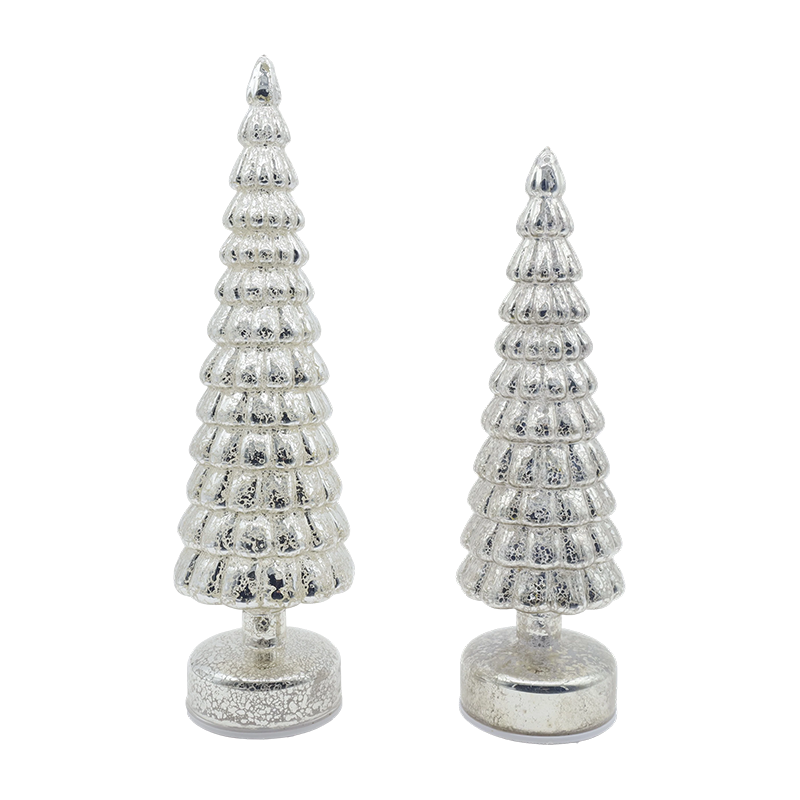
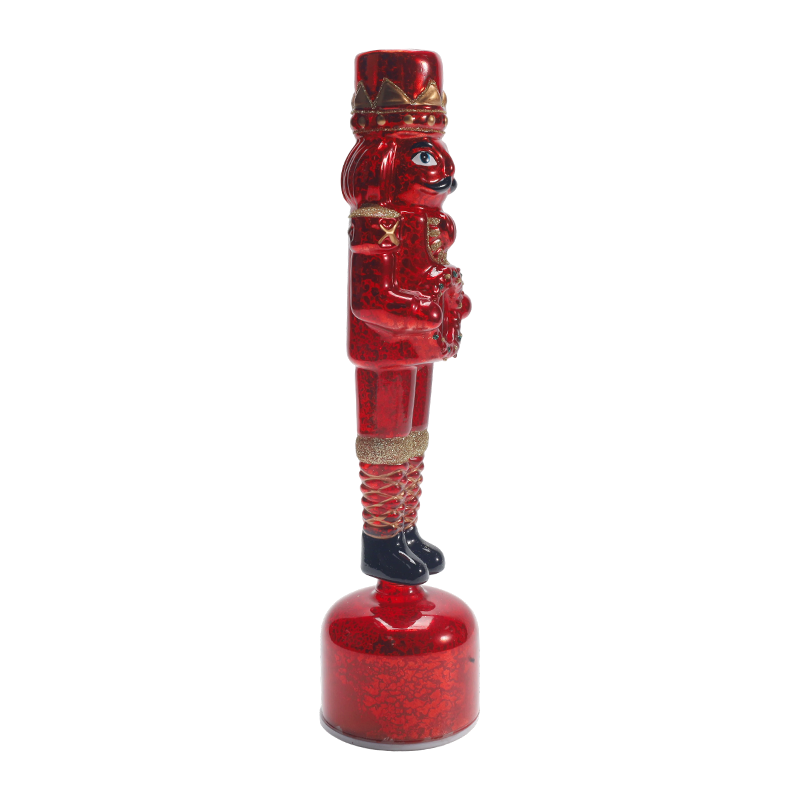
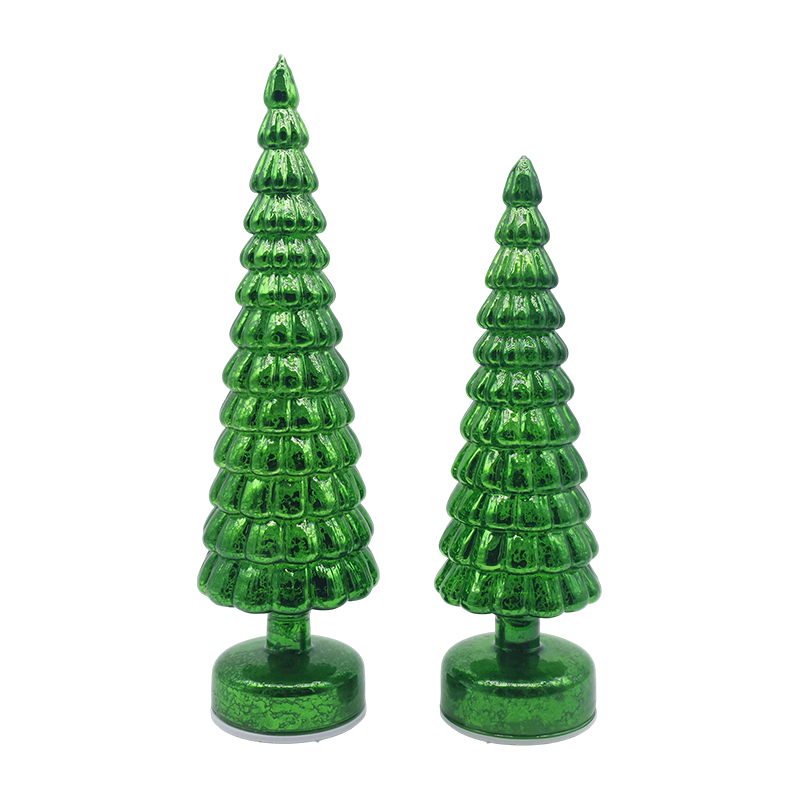 Christmas Glass tree with led light 10×38 & 10×33cm LED Light Up Rotating Christmas Glass Tree Tabletop Ornaments View More
 -
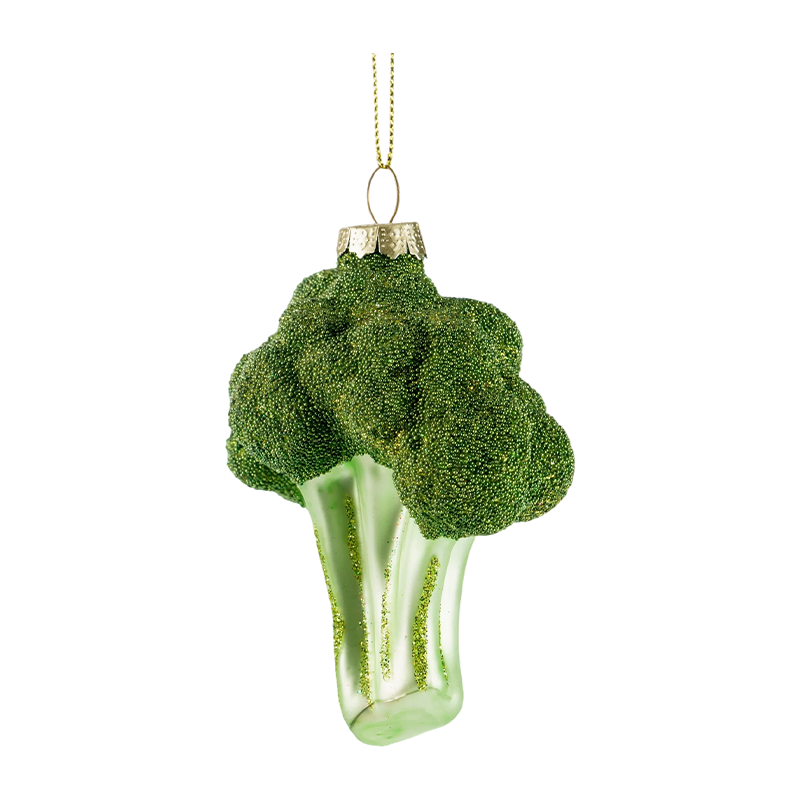
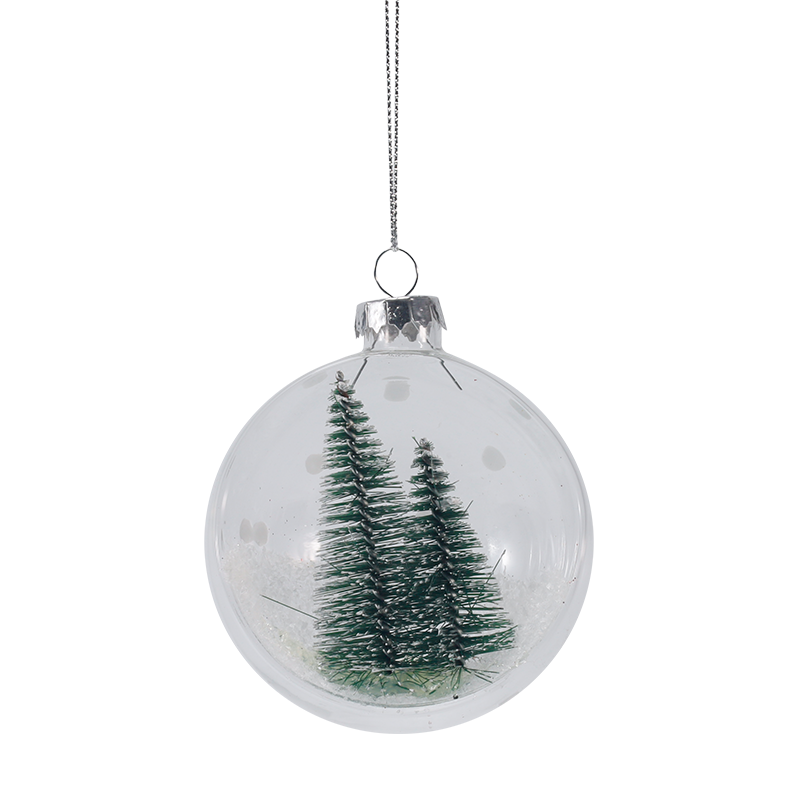
 Christmas glass ornament Christmas Glass Ornament Broccoli / Candy Cane / Globe with Deer Shape View More
 -
-
-
News
-
Yangzhou Shuangyang Crafts Co., Ltd. is a professional enterprise specializing in the research and d...
READ MORE -
Yangzhou Shuangyang Crafts Co., Ltd. is a professional enterprise specializing in the research and d...
READ MORE -
Yangzhou Shuangyang Crafts Co., Ltd. is a professional enterprise specializing in the research and d...
READ MORE -
Yangzhou Shuangyang Crafts Co., Ltd. is a professional enterprise specializing in the research and d...
READ MORE -
Yangzhou Shuangyang Crafts Co., Ltd. is a professional enterprise specializing in the research and d...
READ MORE -
Yangzhou Shuangyang Crafts Co., Ltd. is a professional enterprise specializing in the research and d...
READ MORE

Copyright © Yangzhou Shuangyang Crafts Co., Ltd. All Rights Reserved.
